Checked it yourself and found nothing
No loose tape, no gap, no air at the joints you can reach. That's a start, but plenty of leaks sit inside walls or under the slab where you can't look.
 Hand it off
Send the form and the duct cleaning stops sitting on your list.
A room that won't cool down no matter how long the AC runs. A hallway that's always a few degrees off from the rest of the house. A summer power bill that climbs even though nothing's changed. These are the signs that your ducts are losing air before it gets where it's supposed to go.
In Pascagoula, that leak costs you more than it would somewhere milder. Summers here run long and muggy, and a duct system working against a tear or a loose joint has to run longer to make up for what it's losing. Most homes in Jackson County heat with electricity too, so the same leak that strains your AC in July is pulling at your heating costs come winter, even with winters this mild.
Leaky ducts don't always announce themselves clearly. Sometimes it's dust showing up fast after you've cleaned. Sometimes it's a musty smell from a duct run pulling air from a crawlspace or attic instead of the room you're trying to cool. Sometimes there's no sign at all except the bill. A contractor who inspects and seals ductwork can find leaks you'd never spot on your own, and cleaning the system at the same time clears out what's built up inside it.
Finding that contractor is usually the part that eats your afternoon. Looking up names, calling a few, explaining the uneven rooms and the rising bill to each one, then waiting on quotes to compare. Send the form on this page and that work is off your plate. You won't be the one tracking down who's available or repeating yourself to a second and third company. Someone qualified for duct work in your area gets your information, and the search you'd otherwise be doing is already done.
You keep noticing a room that never quite cools off, or a power bill that's higher than it should be for what you're actually using. Before you call anyone, you want to know what a leak actually looks and feels like in a house like yours, not just that it's possible you have one.
Ductwork runs through your attic or under the house, and a leak there lets cooled air escape before it reaches the room. You feel it as a bedroom or hallway that's never quite as cool as the rest of the house, no matter how long the AC runs. You see it on the power bill, climbing in July and August even when nothing else has changed. Some homes show it other ways too: a musty smell near the vents, dust blowing out harder in some rooms than others, or ducts in the attic that feel warm to the touch in the middle of summer. Any one of these on its own could mean something else, but a few together points straight at the ducts.

Most leaks happen at the joints, the places where one section of duct connects to the next. The metal tape or mastic sealing those joints dries out over the years and pulls away. Ducts running through a hot attic take the worst of it, since the attic swings hot and cold every day while the duct itself stays cool from the air moving through it. That difference is what works the seams loose.

Attic access near Pascagoula is worth using if you can get to it safely. Feel along the duct runs on a summer afternoon while the AC is running. Cool air moving across your hand at a joint or seam means it's leaving the duct before it reaches a vent. You can also check if the plastic flex duct has sagged or kinked where it's strapped to the rafters, since a kink restricts flow the same way a leak wastes it.
Half the homes here were built by 1984
Half the homes in Jackson County were built in 1984 or earlier, and duct joints that old have had decades to dry out and pull apart.
Heat runs November through March
Cooling runs April through October here, about seven months, so leaking ducts waste conditioned air for most of the year.
Cooling runs April through October
Heat only runs November through March here, so a leak costs you less in winter than it does once summer sets back in.
ACS 2020-2024 · NOAA nClimDiv 1991-2020
Walk the attic or crawlspace where you can see the ducts and look for sections that have come apart at the joints. You might see the metal tape hanging loose, or a gap where two pieces used to meet tight. Hold your hand near a joint while the AC is running and feel for air moving where it shouldn't be. A flex duct with a tear in it will sometimes show a dark smudge on the insulation around the cut, from dust pulled through the opening. None of this tells you how much air you're losing or whether it's worth sealing versus replacing a section, but it tells you whether there's a problem at all.
A contractor checks duct leakage with equipment that measures airflow and pressure, not just a hand held near a joint. That tells them how much air the system is actually losing, not just where a leak happens to be visible. They can find leaks inside walls or under a slab that you'd never spot walking through the attic. Once you send the form, you're not the one calling around Jackson County asking who does duct work, explaining the hallway that never cools and the power bill twice over to whoever picks up. That part is off your plate, and someone qualified takes it from there.




No loose tape, no gap, no air at the joints you can reach. That's a start, but plenty of leaks sit inside walls or under the slab where you can't look.
A contractor can pressure test the whole system and find what's leaking where you can't see it, without you having to call around to find one.


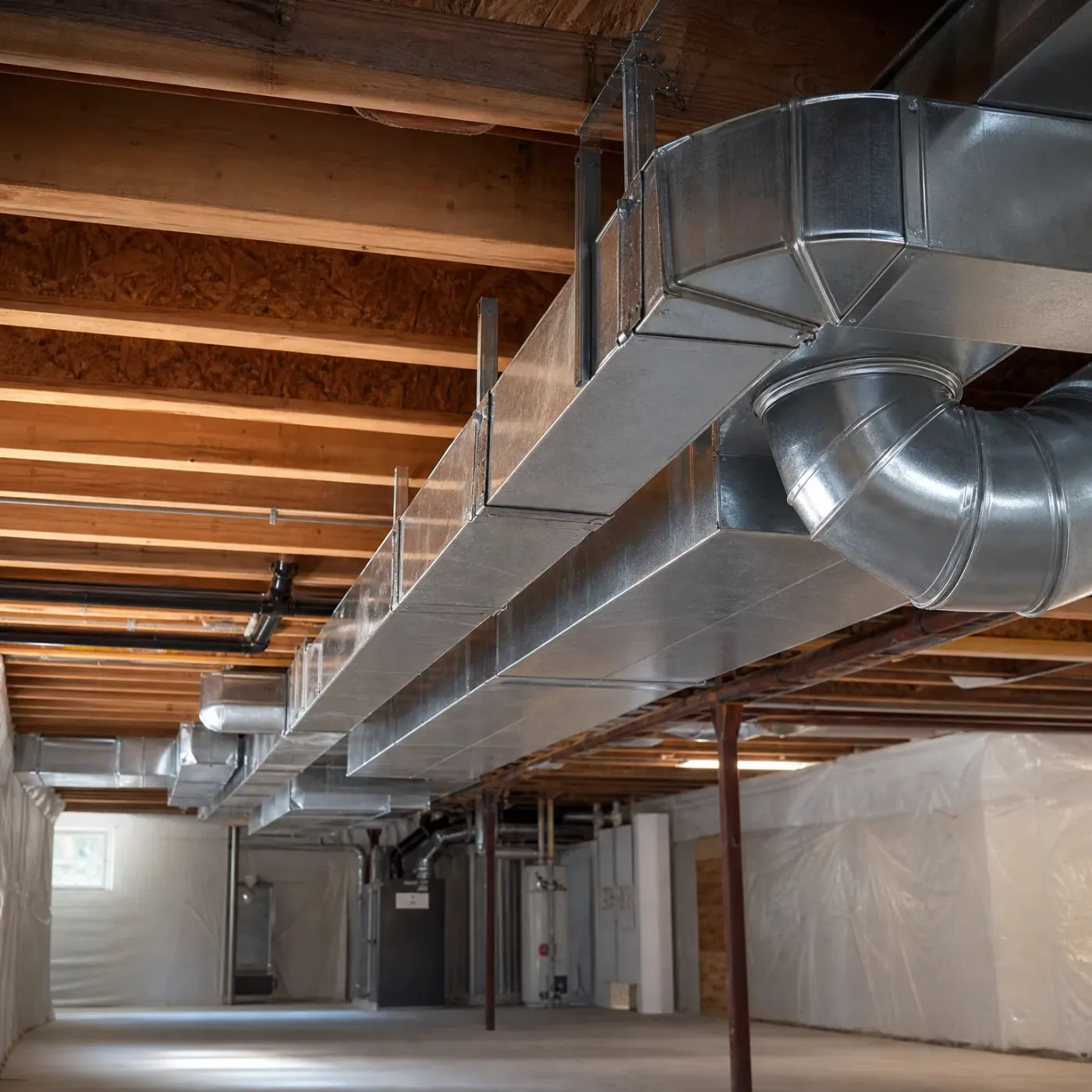
Skip searching for a duct system pro and answer a few questions instead.
After this form, you can stop searching for a duct system pro.
There's no charge for the request.
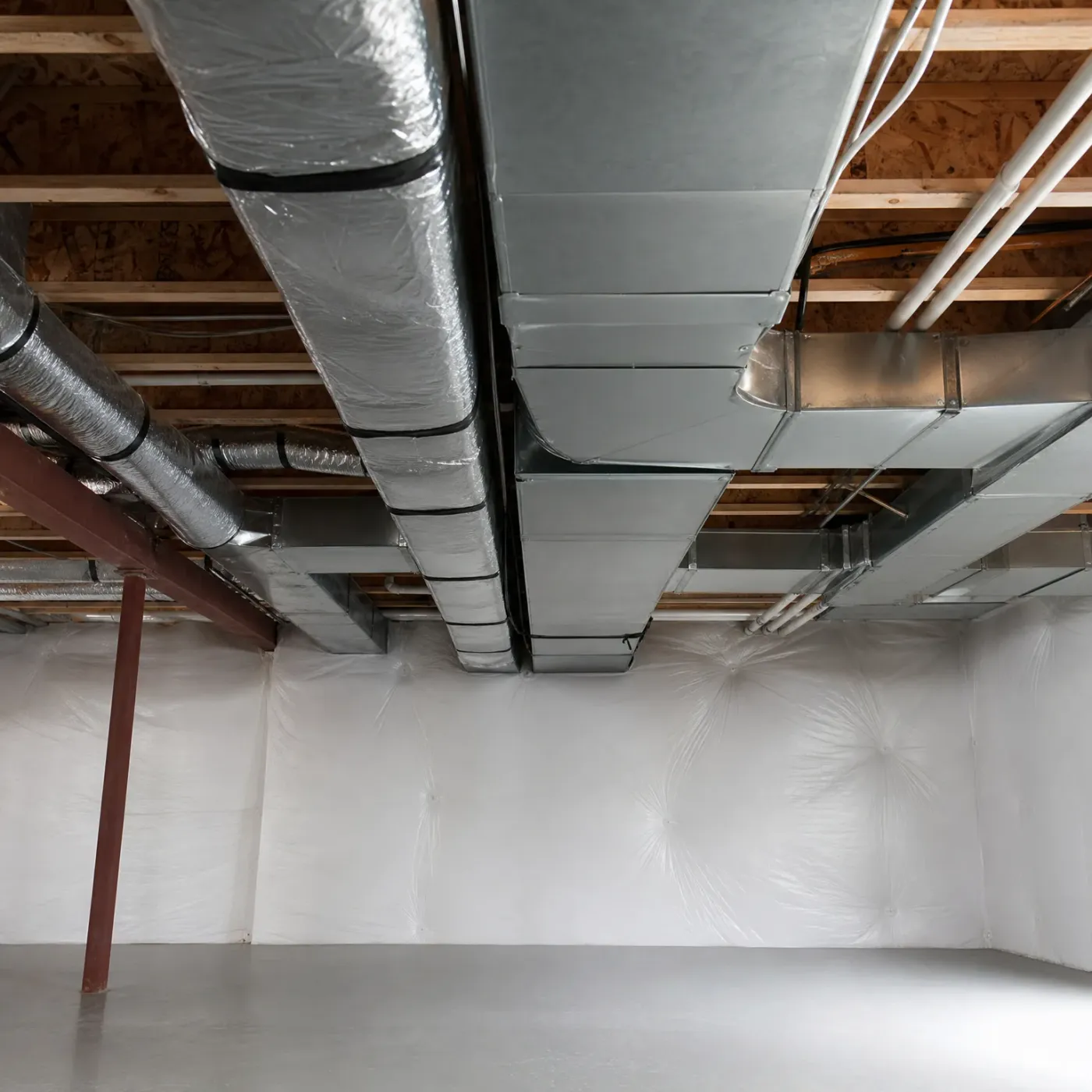
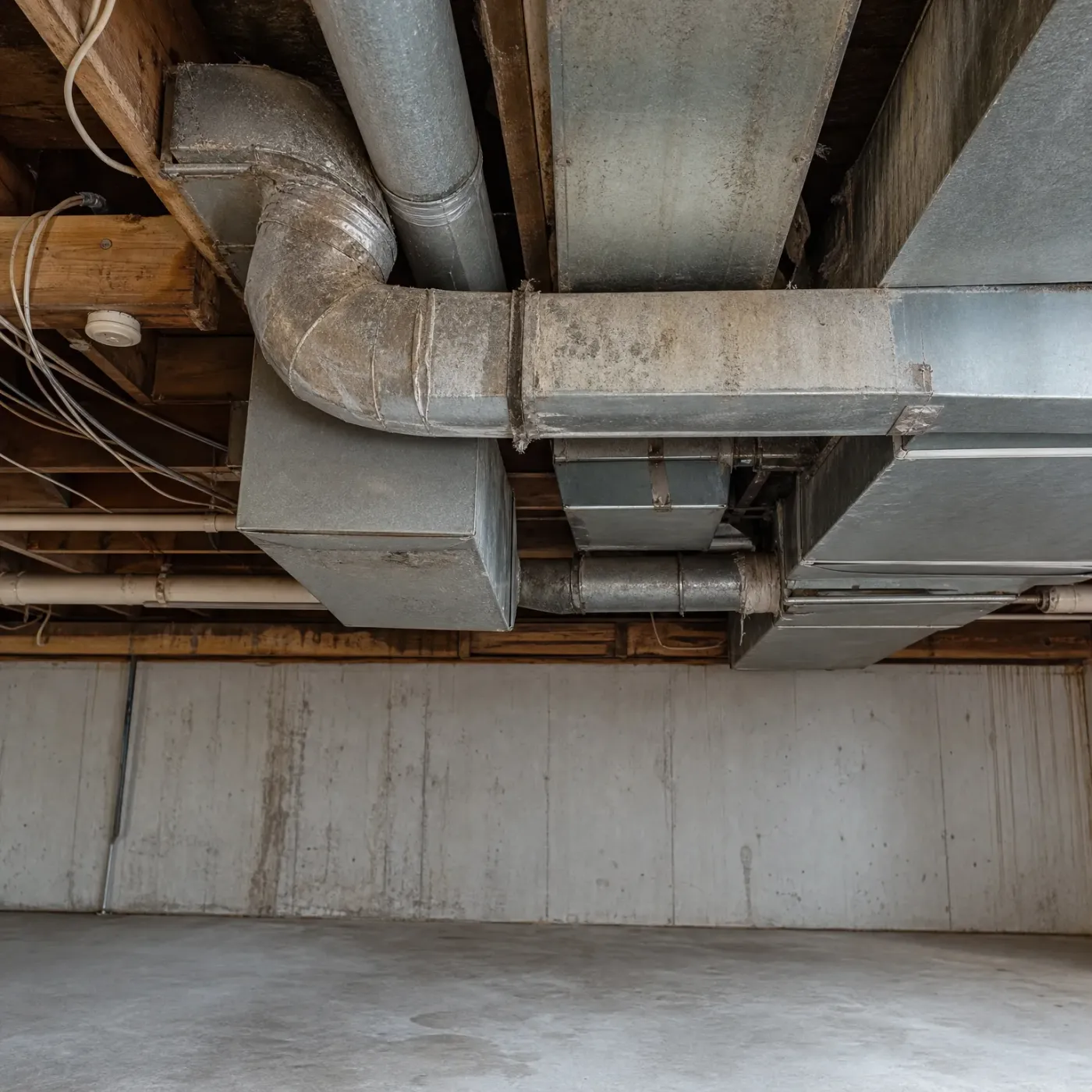
At 14.15 cents per kilowatt-hour, air leaking out at a duct joint before it reaches your rooms isn't a small loss. Every bit your system cools and then loses to the attic or crawl space is air you paid full price for and never got to use.
EIA-861 2025

Your system has a blower pushing cooled air through a trunk line, then out through branch runs to each room. That air moves under pressure, and pressure finds the easiest way out. A joint that's pulled apart is easier to escape through than the last ten feet of ductwork to a bedroom vent, so that's where the air goes. It never reaches the register. The thermostat still reads the return air temperature, so the system thinks it's doing its job and keeps running past when it should have shut off.
That's why one room runs warm while the rest of the house feels fine, and why figuring out which joint is the problem usually means more than one trip into the attic. Most homeowners don't have a pressure gauge or the time to check every seam by hand. Once you send in what you've found, you're done calling around and explaining the same thing twice. A contractor takes it from there.

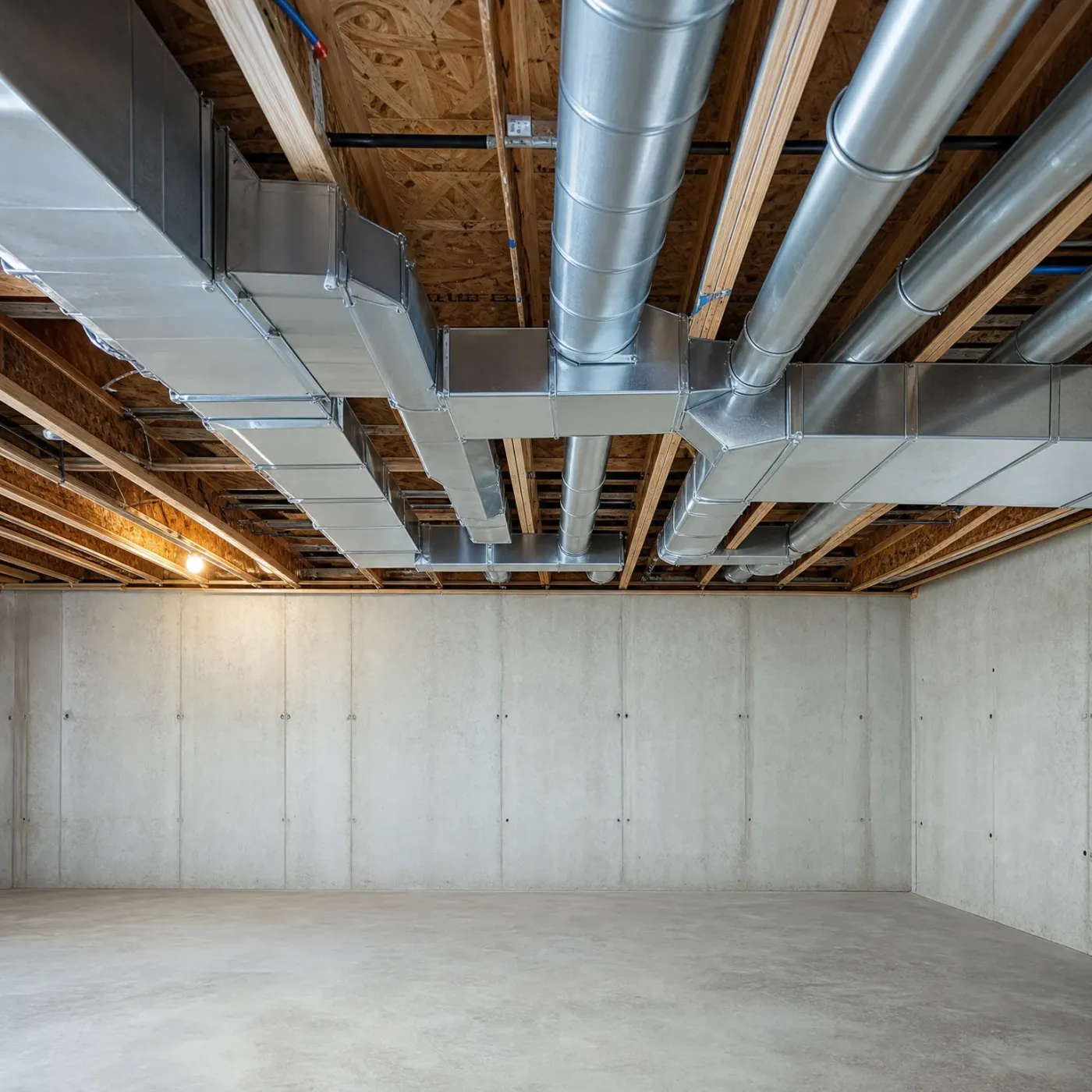
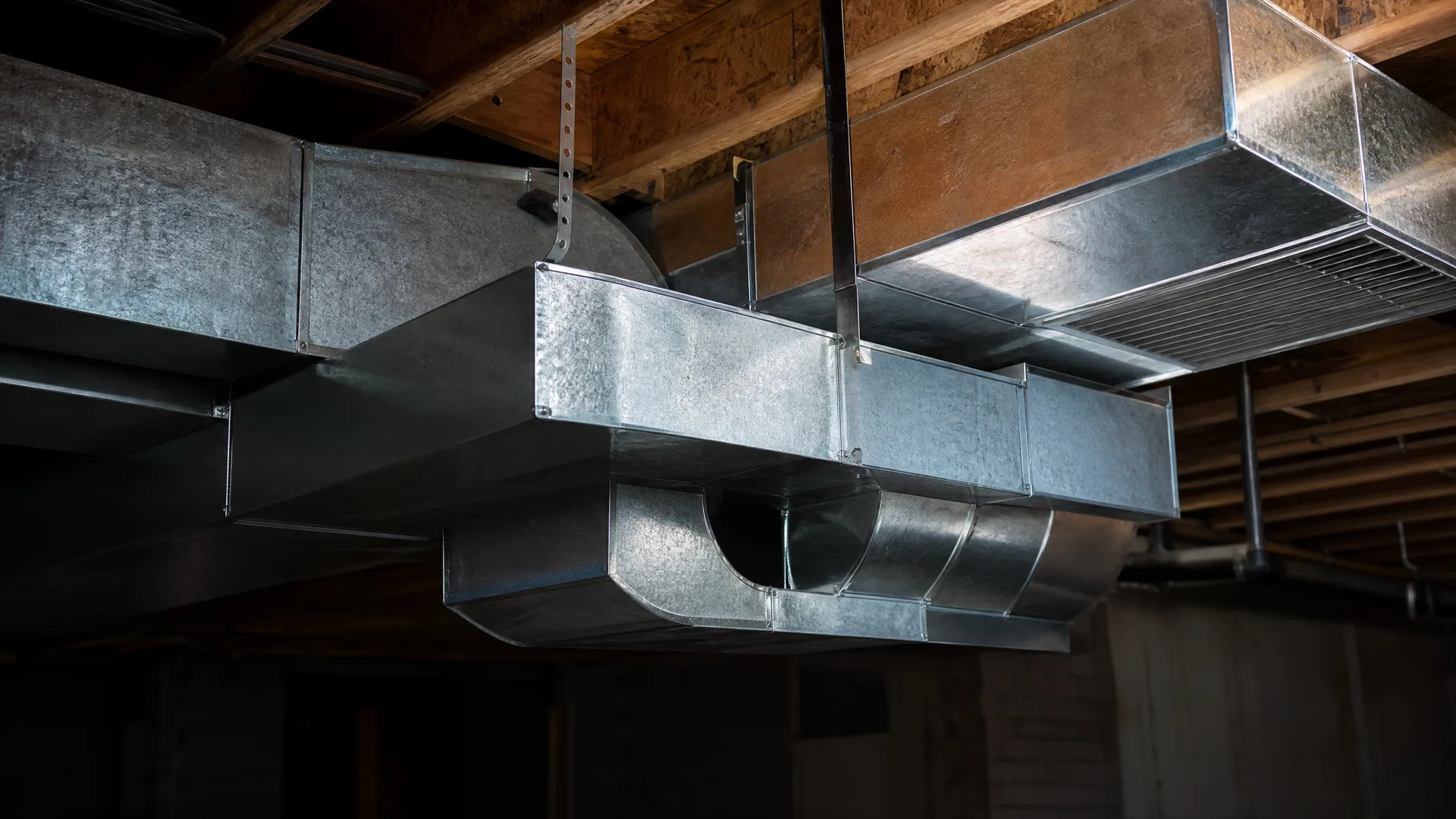
This is a trunk and branch system doing its job. Every joint sits flush, the tape and mastic still hold, and the air your system pushes out travels all the way to the rooms it's meant for instead of leaking out along the way.
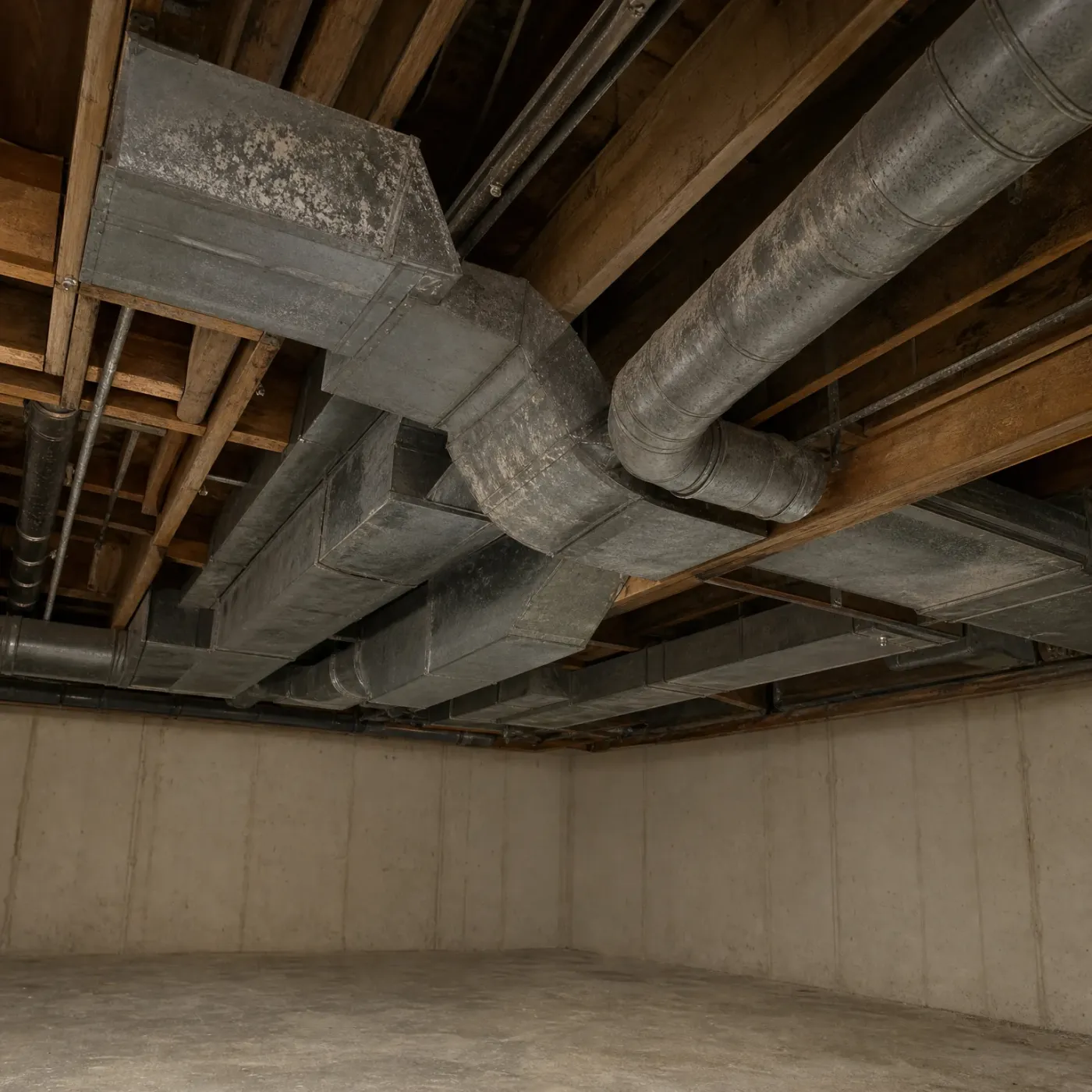
This metal has aged. The surface is dull and oxidized, and joints like these have had years to work loose under the weight of the ducts and the swings in temperature. Gaps here let cooled air spill into the basement before it reaches a single vent.
A leaky duct shows itself the same way every time: one room that stays warmer than the rest, air you can feel escaping at a joint, a power bill that doesn't match what you're actually using. You don't need to guess at this. Walk the attic, check the joints, hold your hand near the tape and mastic, and you'll know. What you can't always do is fix it, and that's where most people get stuck, not on whether they have a leak but on finding someone who'll actually show up, look at it straight, and seal it right. Instead of calling around Jackson County and explaining the same problem to every contractor who picks up, you can send this once. Whoever takes the job already knows what you're dealing with before they walk in. The air your system cools is either reaching your rooms or it isn't. Once you know which, the only thing left is getting someone out to close the gap.
Stop chasing a duct system pro