

Signs your air ducts need cleaning in Mississippi

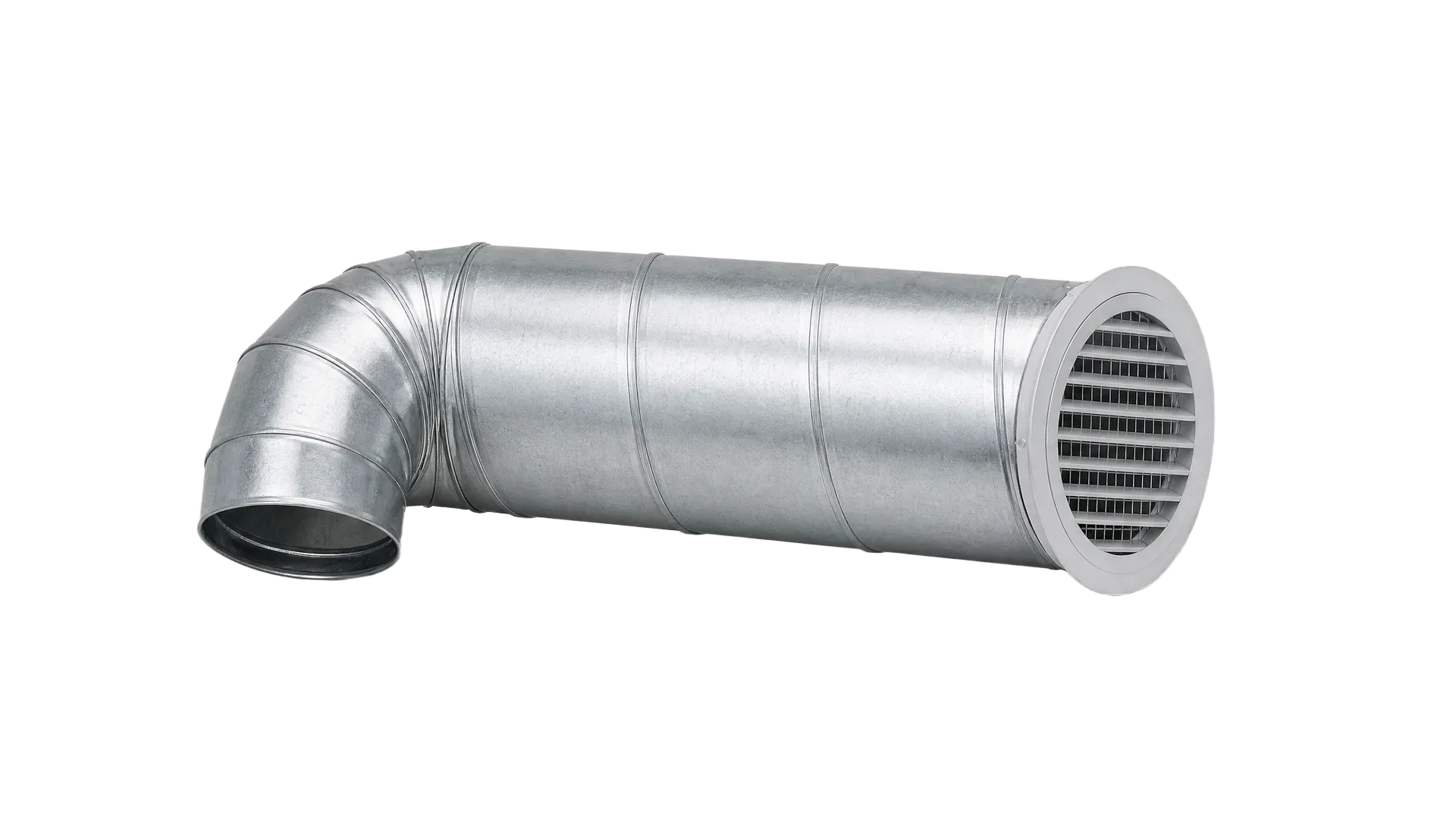
A galvanized steel round duct with a 90-degree elbow and a circular louvered vent grille at one end, photographed against a plain light gray background.
Hand off the search

Dust that resettles on furniture within a day or two of cleaning is the clearest sign your ducts need attention. So is a musty smell when the air handler kicks on, which usually means moisture sitting somewhere in the system. In Mississippi, summer humidity gets pulled into the ducts along with the air, and if there's any leak or damp spot, mold can grow inside where you can't see it. Weak airflow from some vents but not others points to buildup blocking the path, not just a dirty filter. If anyone in the house has started sneezing more at home than outside, or you can see dust blowing out when the system first starts, the ducts are circulating what's built up inside them rather than clean air. None of these signs mean the whole system is failing. They mean what's moving through your home's air isn't as clean as it should be, and a duct cleaning addresses that directly rather than letting it build until it's a bigger problem.

Empty basement with bare concrete walls and floor, a steel support column, and galvanized sheet-metal ductwork and pipes running along the exposed wood joist ceiling.
Before you get your ductwork cleaning
Empty unfinished basement with concrete walls and floor, exposed wood joists, metal HVAC ducts and pipes overhead, and a steel support column near a framed wall.
After you get your ductwork cleaning

Why humidity makes it worse

Mississippi summers push a lot of moisture through the system, and that moisture settles in the ducts along with the dust. Once it's damp in there, dust doesn't just sit still, it clumps and sticks to the inside of the ductwork. That buildup gives mold something to grow on, and it gives mildew a place to spread where you can't see it. The musty smell you notice when the air handler kicks on is often that moisture working on months of settled dust, not a one-time thing that will clear up on its own.


What the vents can tell you

Look at the supply vents and the return grille. Dust gathered right at the edges, or a gray film on the grille, means air is dragging particles through as it moves. Hold your hand near a vent when the system runs. If the airflow feels weaker than it used to in other rooms, buildup inside the duct run itself could be narrowing the path. A weak vent paired with a dusty grille points to the same problem, not two separate ones.

A smiling man in a gray long-sleeved shirt stands in a kitchen looking to the side, with open shelves of dishes, a white mug on the counter, a potted plant, and a view through a doorway into a living room.
A smiling bearded man in a green sweater sits at a white marble kitchen island with a mug, potted plant and bowl of fruit, in a bright white interior with open shelving and an arched doorway.
A smiling man with dark curly hair and a beard, wearing a dark green knit sweater, stands at a white marble kitchen counter with a dark blue mug, with open shelving, pendant lights and a houseplant behind him.
A smiling man in a green ribbed sweater stands behind a wooden table holding a ceramic mug of coffee in a kitchen with white subway tile, shelves of potted plants, and a bowl of fruit.
Unfinished basement with concrete floor and walls, exposed wood joists, steel support posts, and large galvanized sheet-metal ductwork running to a furnace or air handler against the far wall.

Ducts running clean

This is a system moving air the way it should. The ductwork stays fixed along the joists, feeding the furnace without fighting dust buildup inside. Air comes through each vent at full strength, and nothing in the system is working harder than it needs to.

Galvanized sheet-metal ductwork and round pipes run along a wooden floor joist ceiling above a bare concrete wall and floor.

Ducts overdue for attention

Same kind of run, but dust and debris have had time to build up inside the metal. Vents put out less air than they should, and what comes out carries more dust into the room. Left alone, it only keeps collecting.

Power costs 14.03 cents per kilowatt-hour statewide

Most Mississippi homes heat with electricity, so your air handler's blower is already pulling a steady share of that 14.03 cents per kilowatt-hour. Dust and clogged ducts make the blower push harder to move the same air, and that extra strain shows up on the bill before you ever see it in the vents.

EIA-861 2025 statewide residential average

Unfinished basement with bare concrete floor and walls, exposed wood joists, metal ductwork, a furnace unit, steel support posts, and a small window.

Ducts holding their own

The ductwork here stays put along the joists, carrying air from the furnace without a fight. Nothing is rubbing loose or working against the metal, so the system behind the furnace and water heater keeps doing its job without extra strain.

Empty basement with bare concrete walls and floor beneath an exposed wood-joist ceiling carrying galvanized sheet-metal ductwork, round ducts and pipes.

Ducts under strain

Spiral duct and the sheet-metal runs here are moving air through a system that's built up resistance somewhere inside. The joists overhead carry the same lines, but what's packed into the metal makes the blower work to push air through it.

A man in a blue T-shirt sits on a light gray sofa, laughing while looking at an open laptop in the foreground, with a framed picture, lamp and potted plant behind him.
A bearded man in a blue and brown plaid flannel shirt stands indoors looking out a window at snow-covered trees, with a ceramic mug on the windowsill.

It's off your list after this

Skip calling around for someone who cleans ducts.

Sending the form costs nothing.

What the Signs Add Up To

  • Dust that resettles within a day or two, a musty smell at startup, and weak airflow at the vents are the signs that point back to the ducts.
  • Mississippi humidity is what turns ordinary dust into the clumped buildup that clogs a system faster than in drier climates.
  • A blower working harder to move the same air shows up as a higher electric bill before it shows up as anything else.
  • Skipping the signs doesn't stop the buildup, it just moves the cost from a cleaning now to a harder-working system later.
  • Finding a licensed contractor, calling around for quotes, and explaining the same problem three times over is the part that eats your week.
  • Once the signs match what's listed here, the next step is getting someone out to look, not guessing at it yourself.

If you're dealing with dust back on the furniture within a day or two, a musty smell when the air handler starts, and vents that feel weaker than they used to, your ducts are telling you something. In Mississippi, the humidity is what pushes ordinary dust past the point a system can handle on its own. It clumps, it sticks, and it builds into the kind of buildup that makes the blower work harder than it should. That extra work doesn't stay hidden. It shows up on the electric bill first, since most homes here run on electricity, and it shows up as weaker airflow at the vents after that. None of this fixes itself. Left alone, the same buildup that's costing you a little now keeps costing you more, and the system keeps working harder to move the same air through a dirtier system. The signs are the easy part to catch. Finding someone qualified to deal with them is the part that usually eats your time, calling around, explaining the same problem to three different people, sorting through quotes that don't tell you much. Once what's happening in your house matches what's listed here, you don't need to keep watching for more signs. You need someone out to look at the system itself, and that's the only step left once you know what you're dealing with.

A single-story stucco house at dusk with a lit paver walkway lined by low path lights, desert plants and boulders in front, and distant mountains under an orange and blue sky.

Ductwork Cleaning

Stop chasing a duct system pro

Duct and vent cleaningDucts or ventsMississippi
Step 1 of 2

What ZIP code is the job in?

  • A ceramic vase holding leafy green branches and a shallow wooden bowl sit on a wooden window ledge beside a sunlit window, with a cream upholstered chair and knit throw in the foreground.
    • A local pro who cleans ducts gets in touch with you.
    • Your duct cleaning request goes to a local pro who does this work.
  • Sunlit living room corner with a beige upholstered sofa, a round wooden side table holding a ceramic vase of olive branches, linen curtains at a window, a floor vent in the baseboard, and a woven jute rug on hardwood flooring.
    • Send it once and finding someone is no longer on you.
    • Once you send the form, finding a pro is off your list.
  • A wooden side table with a single drawer holds a shallow carved wood bowl and a white ceramic vase of green eucalyptus stems, beside a window and an upholstered chair draped with a cream knit throw.
    • Skip searching for a duct system pro and answer a few questions instead.
    • One form replaces the calls you'd make to find a duct system pro.
  • Corner of a house with horizontal siding, a white-framed window and stone veneer base, beside a covered entry with wooden steps, a potted plant, mulched beds of green shrubs and a flagstone path.
    • Your duct cleaning request goes to one local pro.
    • Your request goes to one pro, not a list of companies.













