


Mississippi HVAC Guide
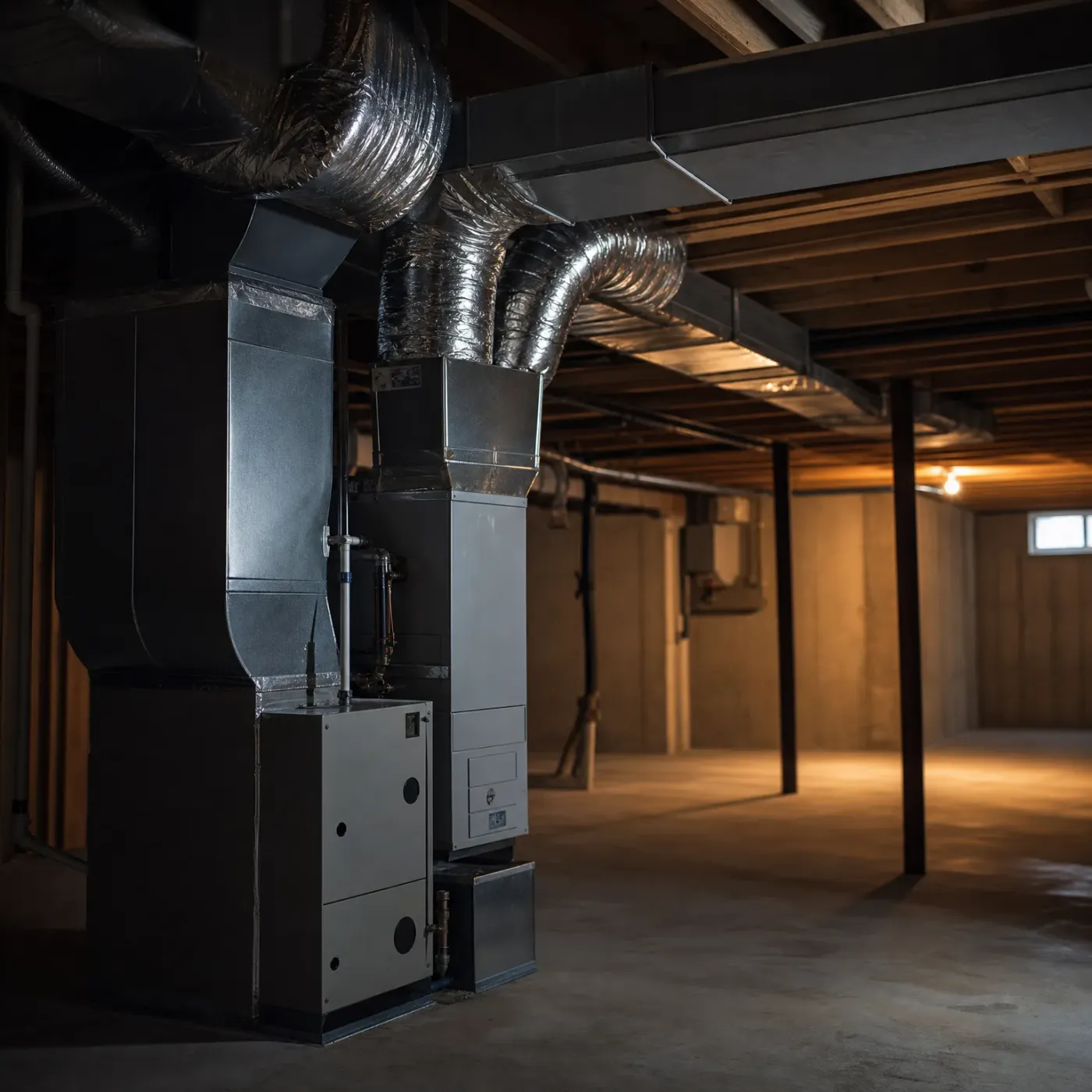
Unfinished basement with concrete floor and walls, exposed wood joists, steel support columns, and two furnace-type units connected to sheet-metal and flexible insulated ducts.

A pro who works on ducts

How often to clean air ducts in Mississippi

Every duct system picks up dust and buildup over time, and Mississippi's humid summers add their own share of moisture and growth inside the ductwork. This page covers how often cleaning actually makes sense for your home, and what changes that answer. If you want a closer look, a local licensed contractor who handles ducts in this climate regularly can take it from there.

Match me with a pro

Most homes in Mississippi do fine with duct cleaning every three to five years. The muggy summers here are the reason that window matters. Warm, damp air moving through ductwork all season gives dust and debris a reason to cling and gives mold something to grow on, especially anywhere condensation collects near the coil. If anyone in the house has allergies or asthma, or you've noticed dust settling fast after you clean, lean toward the three-year mark instead of five. A system that runs hard through a long, humid summer is moving a lot of air through those ducts, and what's riding in that air ends up coating the inside. Homes with pets, a recent renovation, or visible dust at the vents usually need a look sooner than the schedule suggests. If you've never had it done and don't know the last time, that's reason enough to have someone take a look now.

Basement interior showing a furnace with sheet-metal ductwork, a round flue pipe and copper lines running beneath exposed wooden floor joists next to a plain light-colored wall.

Why humidity changes the math

Ductwork carries cooled air all summer, and that air is colder than the humid air sitting around it outdoors. Where temperatures meet, moisture collects on the metal. Dust sitting in the duct picks up that moisture, and damp dust is what mold needs to take hold. A dry climate doesn't hand mold that opening nearly as often, which is why Mississippi's ducts can need attention on a shorter cycle than the same house would in a drier state.

Interior corner of a building with a large blank white wall beside an unfinished ceiling showing wood joists, galvanized sheet-metal ductwork, and white and copper pipes.

What a dirty filter changes

The filter is what's supposed to stop dust before it reaches the ductwork at all. Once it's clogged, more of that dust slips past it and settles inside the ducts instead, which shortens the stretch between cleanings. Checking and changing the filter on a regular basis is one of the few things that affects how fast buildup returns after a cleaning. A system running on electric heat still pulls air through the same filter all winter, so it matters in both seasons, not just summer.

What actually happens inside the ducts when they get cleaned?

You know dust builds up in there, and in a Mississippi summer you figure some of it's probably damp or worse. But what does a cleaning actually do inside the duct itself? It helps to know what the process covers before you decide whether your system needs it now or can wait.

A technician brushes and vacuums the inside of every duct run, not just the vents you can see

A technician opens access points along the duct run and works a brush or air whip through each section to knock dust and debris loose from the walls of the duct. A high-powered vacuum pulls that material out as it's loosened, so it isn't just getting pushed further down the line. The supply and return sides both get done, along with the registers and grilles at each room. On a system that's picked up moisture from summer humidity, the technician also checks for mold growth or buildup clinging to damp spots, since that's what tends to collect where warm humid air has been moving past cooler metal all season.

Unfinished basement with exposed wood joists, galvanized sheet-metal ductwork, insulated flex ducts, piping, a small window, and a furnace or air handler against a gray wall.

Ductwork doing what it should

These ducts move air with no mess clinging to the metal. The runs stay dry, the joints stay sealed, and dust moves through instead of settling. A system like this can often wait toward the five-year end of the window before it needs attention.


Empty basement room with bare concrete walls and floor, and an exposed ceiling of wooden joists with large galvanized sheet-metal ductwork and pipes.

Ductwork past due

Exposed runs like these show wear the moment cleaning gets skipped too long. Dust builds along the seams, and in a Mississippi summer that buildup holds onto moisture. Left alone, it turns into the kind of grime a cleaning should have caught years earlier.

A smiling gray-haired man in a dark wool coat with snow flecks stands in a dimly lit home entryway, with a lit table lamp, potted plant, framed pictures and a living room visible behind him.
An older man with gray hair and a beard, wearing a snow-dusted dark coat and knit scarf, stands smiling in a dimly lit house entry with a lit lamp, mirror, and a living room with snow visible through the window behind him.
An older man with gray hair and a beard, wearing a dark snow-dusted coat and plaid scarf, stands smiling in a warmly lit hallway with a lamp, side table and glass-paned doors behind him.
An older man with gray hair and a beard, wearing a dark coat dusted with snow, stands in a home entryway with a lit lamp, a staircase railing, and a living room with large windows behind him.

Get your ductwork to the right pro

Your request goes to one pro, not a list of companies.

There's no charge for the request.

Signs Your Ducts Need Attention

  • A dusty supply vent or a musty smell when the AC kicks on is often the first sign something has built up in your ducts.
  • Dust that keeps settling back on furniture within a day or two of cleaning can mean the ducts are feeding it right back into the house.
  • A system working harder than it should to cool the house can mean airflow is choked by what has collected inside the ducts.
  • Anyone in the house with allergies or breathing trouble may notice symptoms easing after the ducts get cleaned out.
  • Mold spotted near a vent or register is a sign that moisture has been sitting somewhere in the system longer than it should.
  • A higher summer power bill than the house has run before can point to ducts working against the air instead of moving it.

Your ducts won't tell you the date of the last cleaning, but your house will give you clues if you know where to look. Start with the vents. Pull a supply register off the wall and check for a gray film or a musty smell when the AC first kicks on. That smell is often moisture that got into the system during a Mississippi summer and never fully dried out. Watch your furniture too. If you dust a shelf and find a new layer within a day or two, the ducts may be pulling dust back into the air faster than you can clean it off. Pay attention to how hard your AC is working. If it's running longer than it used to, or the house takes more time to cool down, airflow may be restricted by buildup inside the ductwork rather than a problem with the unit itself. Anyone in the house with allergies or asthma is often the first to notice a difference, since their symptoms can ease up once the dust and debris inside the system gets cleared out. Check around your vents and registers for any dark spots or discoloration, since that can mean moisture has been sitting in the ducts longer than it should. And if your power bill climbs higher than it has in past summers without a clear reason, it's worth asking whether your ducts are part of why the system is working overtime.

Power costs 14.03 cents per kilowatt-hour statewide

Your electric bill in Mississippi runs on that 14.03 cent rate every time the AC pushes air through dirty ductwork. Buildup inside the ducts makes the system work harder to move the same air, and that shows up on the meter all summer long.

EIA-861 2025 statewide residential average

A home with pets or a smoker on the three-year side of the window builds up dust and residue faster than the ductwork can go five years clean. Shedding, dander, and smoke particles all settle inside the runs the same way ordinary dust does, just faster.

A home with no pets, no one smoking indoors, and a filter changed on schedule can often stretch toward five years between cleanings. There's simply less going into the ducts to build up in the first place.

A woman wrapped in a thick wool blanket sits in an armchair with an open book on her lap, beside a lit lamp and a frost-patterned window.
A woman in a cream knit sweater sits in an armchair with her eyes closed near a window showing yellow autumn foliage, with a mug on a round wooden side table beside her.
A woman stands in the open front doorway of a single-story house with stone and wood siding while a man in a dark polo shirt and cap walks toward it along a concrete path.

Three to five years, sooner if your home gives the ducts more to deal with

That's the answer for most houses in Mississippi, and now you know what moves it earlier or later. A smoker or a few shedding pets in the house, a musty smell when the AC kicks on, dust that comes right back after you've just cleaned, any of that pulls the timeline toward three years instead of five. A system that's staying dry and sealed can hold off closer to five.

A local contractor who cleans ducts in homes like yours all summer knows which of those signs matter and which don't, and what tends to go wrong in a system that's run through a few Mississippi summers without attention. Once you're matched with one, they can look at what your ductwork is actually dealing with and tell you where your home falls in that window. You'll hear from them directly, and it's a contractor who's licensed to do this work in your area, not a handful of companies competing for your call.

A speckled beige ceramic vase holding thin dried branches sits on a round wooden table near a window with sheer curtains, with a dark upholstered chair and draped blanket blurred in the background.
A single-story stone-clad house with low-voltage path lights along a gravel bed and lawn at dusk, with a tree line and orange sky on the horizon.

Ductwork Cleaning

The right pro for this job

Duct and vent cleaningDucts or ventsMississippi
Step 1 of 2

What ZIP code is the job in?

  • A pale ceramic vase holding dried hydrangea blooms sits on a wooden windowsill in sunlight, with green foliage blurred beyond the window glass.
    • Describe your ductwork job, and a local pro who handles it gets in touch.
    • Say what's going on with your ductwork, and a pro who works on them reaches out.
  • Sunlit window seat with a cushioned bench and three textured throw pillows beside a dark wooden round side table holding a small stone bowl and a potted green plant.
    • Send the request and finding a pro stops being your problem.
    • After this form, you can stop searching for a duct system pro.
  • A potted olive-like tree in a wide beige ceramic planter sits on a pale stone ledge beside a black-framed window with blurred greenery outside.
    • Fill out one short form instead of calling around.
    • Explain the job once and skip repeating it on every call.
  • A wooden bench by a black-framed window holds a beige striped pillow, a fringed knit throw, and a pale ceramic vase with olive branches, with green foliage and a white house visible outside.
    • Only one pro gets your request, so you hear from one company.
    • Your request stays with one local pro.












