Profile view of a bearded man wearing a dark baseball cap and a dark gray T-shirt against a plain off-white background.

Is duct cleaning worth it in Mississippi

Duct and vent cleaningDucts or ventsMississippi
Step 1 of 2

What ZIP code is the job in?

It depends on what's going on in your house, but most Mississippi homes don't need duct cleaning on any set schedule. Dust and pet hair build up in ducts over years, and a cleaning clears that out, but it doesn't fix humidity problems or lower your bills the way some ads suggest. Where it matters here is mold. Summers in Mississippi run hot and muggy for months, and if your ducts have condensation, a musty smell, or you can see mold growth at a vent, that's a real reason to get them cleaned, not just tidiness. The same goes for after any rodent problem, a renovation that filled the house with dust, or if someone in the home has allergies that flare up indoors. If none of that applies and your air looks and smells fine, cleaning is optional. A contractor who inspects the ductwork first can tell you whether yours actually needs it.

A smiling man with dark curly hair in a dark green henley shirt sits on a light sofa in a living room with large windows, a lamp, shelving, a stone fireplace, and a bowl of popcorn in the foreground.
A smiling man in a dark long-sleeved henley shirt sits on a beige sofa in a living room, with a bowl of popcorn and a remote on the table in the foreground and shelves, a lamp, and a doorway behind him.
A smiling man with graying hair and stubble in a blue henley shirt sits on a gray sofa with cushions in a living room, with a bowl of popcorn on a wooden table in the foreground.
A smiling man in a dark green long-sleeve shirt reclines on a sofa in a dimly lit living room, with a bowl of popcorn on a side table in the foreground and a bookshelf, lamp, and houseplant behind him.

A technician runs a vacuum and brushes through the supply and return runs, pulling out the dust, pet hair, and debris that collect in the metal over years. In Mississippi, that buildup sometimes has mold growing in it, especially near a spot where a leak or condensation has kept the duct damp. While the system is open, the technician usually looks at the coil and the vent hood too, since both sit right where the ducts connect. What a cleaning doesn't do is touch the insulation or reseal the joints, so a duct that leaked air before the job leaks air after it. It doesn't rebalance airflow either. If one room ran warmer or cooler than the rest before, that's a duct design issue, not a dust issue, and it stays that way. The same goes for a high power bill. If the system has been working harder in the heat, that cost traces back to the equipment, not to what was sitting in the ducts.

What a duct cleaning actually does

  • A duct cleaning runs a vacuum and brushes through the supply and return runs to pull out dust, pet hair, and debris sitting in the metal.
  • Mississippi's humidity gives mold something to grow on inside ducts, especially where a leak or condensation has left standing moisture.
  • A technician checks the coil and the vent hood while the system is open, since both sit close to where ducts connect.
  • Cleaning doesn't touch the insulation or the seams, so a duct that was leaking air before still leaks air after.
  • If rooms were already even before the cleaning, they'll be even after, since airflow balance comes from duct design, not dust buildup.
  • A cleaning won't lower a power bill that's high because of a system working harder in the heat, since that cost comes from the equipment, not the ducts.
A woman in a dark knit turtleneck sweater reclines on a couch under a cream knit blanket, looking down at an open book, with a lit table lamp and framed pictures behind her.
A smiling middle-aged man in a dark green sweater sits at a candlelit table with wine glasses and a plate of greens in a dimly lit interior.

Mold inside ducts usually means moisture is getting in somewhere, from a leaky joint, a damp crawlspace connection, or condensation where humid air meets a cold supply line.

Cleaning pulls out what's already grown, but if the moisture source is still there, mold comes back. Finding and closing that gap matters more than the cleaning itself.

Power costs 14.03 cents per kilowatt-hour statewide

That 14.03 cents a kilowatt-hour is what makes a heating and cooling system worth protecting, since most Mississippi homes run on electric heat. A dirty blower or restricted return makes the system work harder to move the same air, and that shows up on the meter long before anyone notices dust.

EIA-861 2025 statewide residential average

When cleaning makes sense

If you had water damage, a rodent problem, or you can see mold growing on the registers themselves, cleaning is worth doing. The same goes if someone in the house has allergies that flare up worse indoors than out, or you just finished a renovation and there's drywall dust sitting in the runs. A visible film of dust blowing out of the vents when the system kicks on is another sign. These are specific problems with specific causes, and cleaning addresses them directly instead of running on a calendar.


When it's probably not needed

If your ducts look normal, nobody in the house has new breathing trouble, and you just want to be careful, you can likely skip it this year. A light coating of dust inside the runs doesn't hurt air quality and won't raise your power bill. Spending money on a cleaning because a flyer in the mailbox said every few years isn't based on anything about your house specifically. Instead, a yearly filter change schedule and keeping an eye out for moisture around the vents gets you most of the benefit for a lot less hassle.

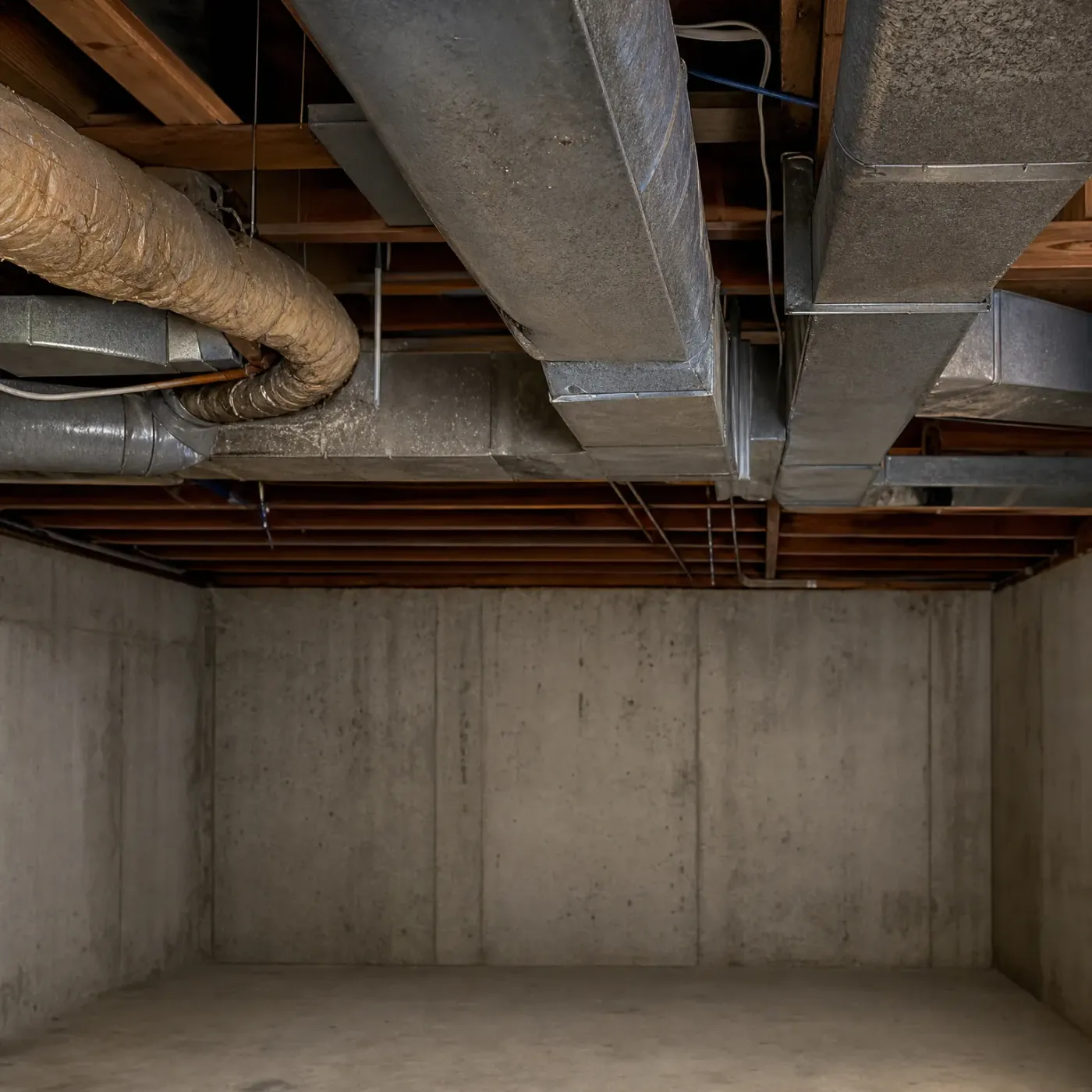
Empty concrete-walled basement room with galvanized rectangular and round HVAC ducts and pipes running along the exposed wood-joist ceiling.
Before you get your ductwork cleaning
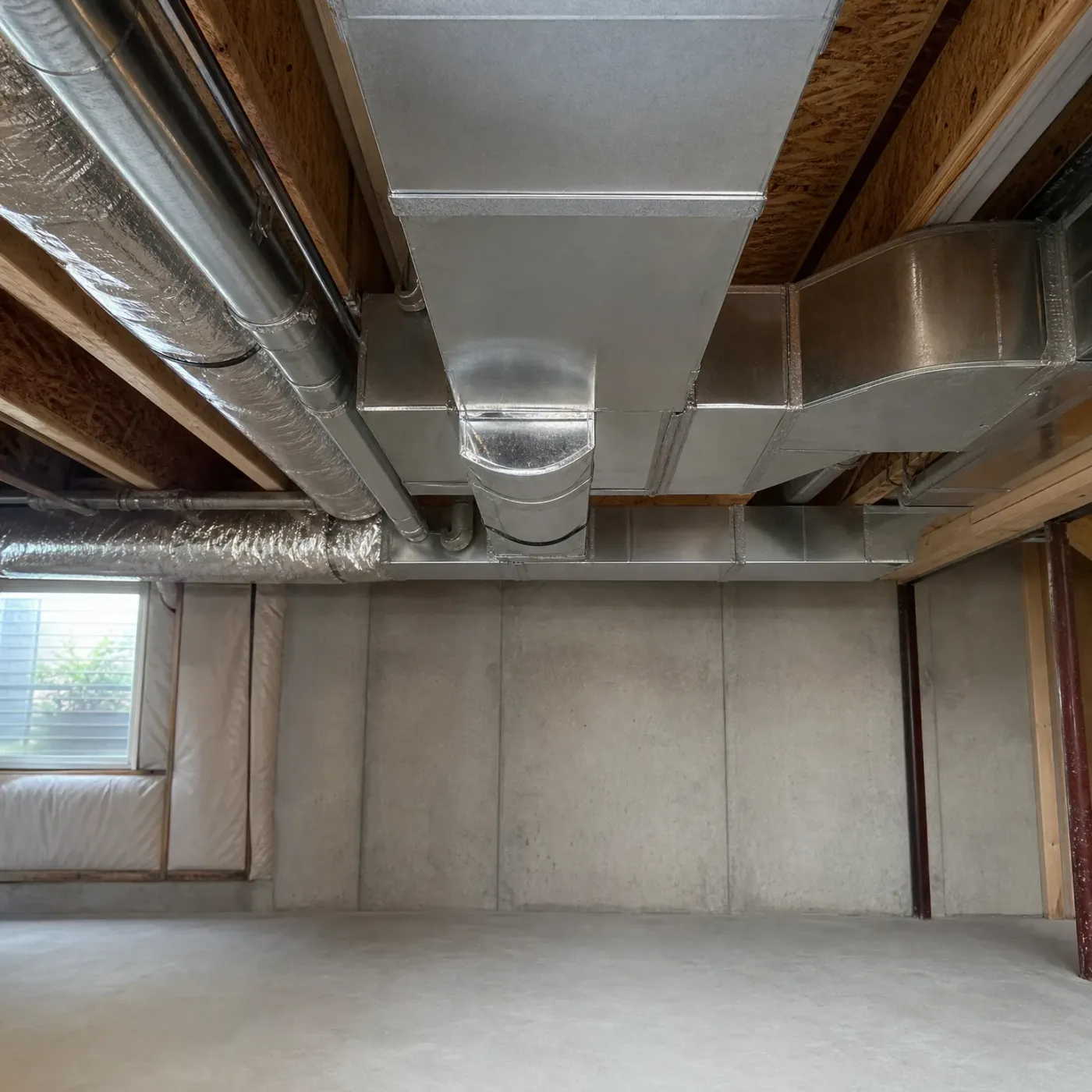
Unfinished basement with galvanized sheet-metal ductwork and pipes beneath wood joists, a gray furnace unit at left, insulated plastic-covered walls over a concrete foundation, and a bare concrete floor.
After you get your ductwork cleaning

It's off your list after this

Answer a few questions instead of calling shop after shop.

It costs nothing to send, and you don't have to hire anyone.

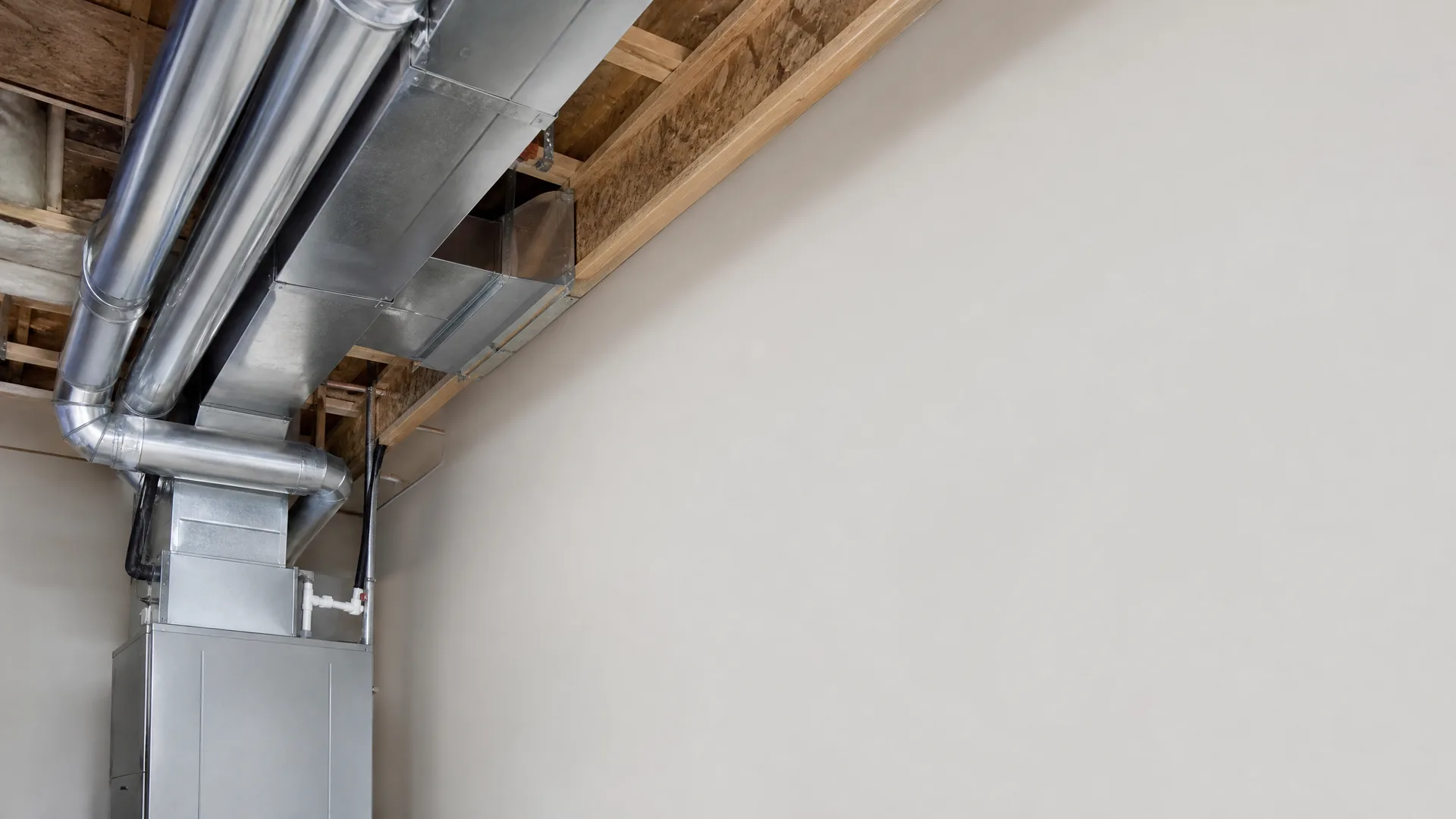
Galvanized sheet-metal ductwork and round pipes running along an exposed wood-joist ceiling with insulation, above a furnace unit beside a blank painted wall.

What a dirty return costs you

Run the air handler with a clogged return and it has to pull harder to move the same amount of air through your house. That strain shows up on your bill every month, not as a one-time charge. At 14.03 cents a kilowatt-hour, a system working harder than it should adds up over a full summer of cooling and a winter of electric heat. You won't see the duct, but you'll see the number on the statement.

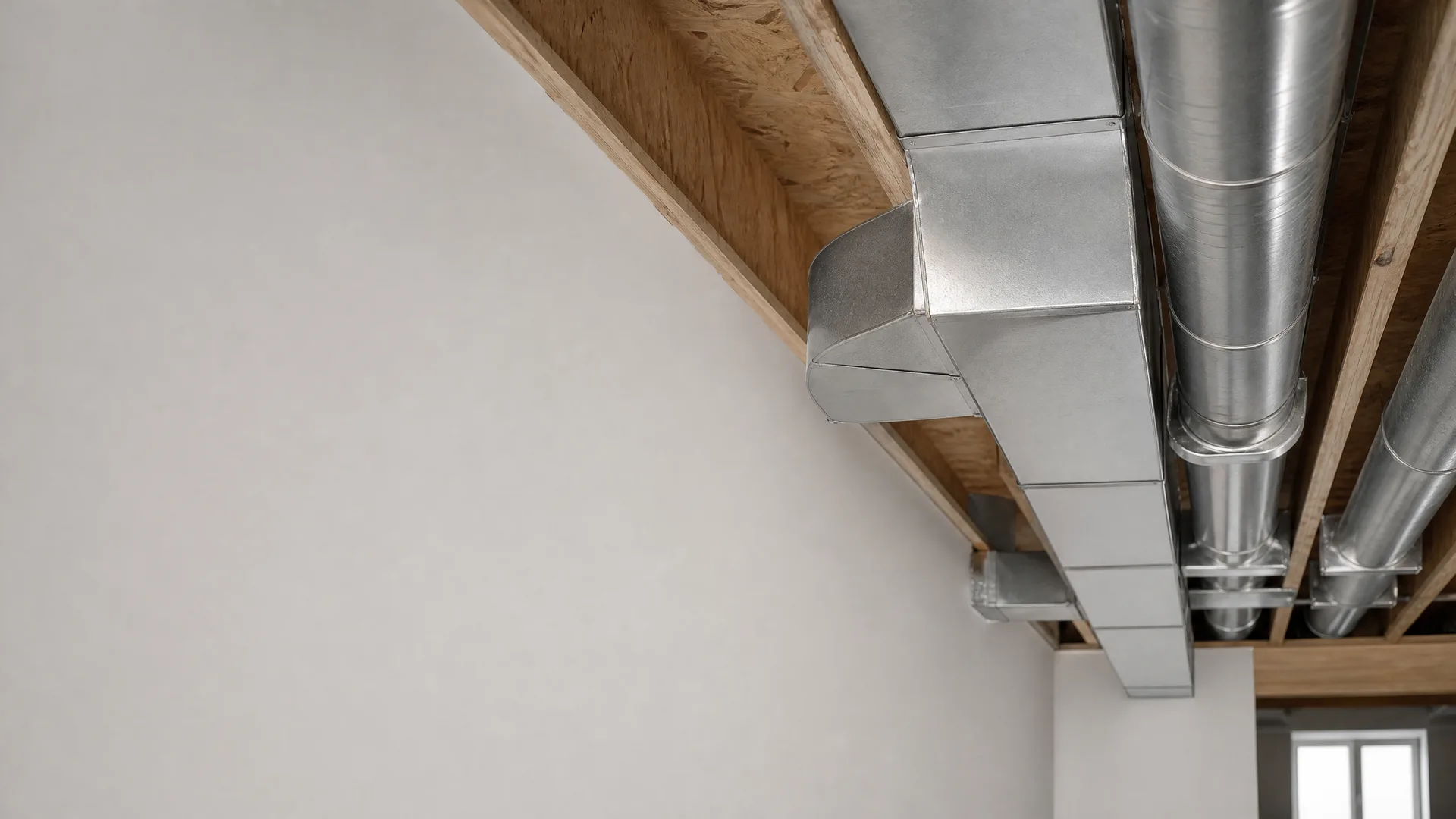
Galvanized rectangular and round sheet-metal ductwork mounted beneath an exposed wooden joist and OSB ceiling, next to a plain white wall and a window at lower right.

What you'd notice in the house

Dust settling back on furniture within a day or two of cleaning, registers with a musty smell when the system first kicks on, or a family member whose allergies seem worse indoors than out. Mold on a register face or visible debris blowing out of a vent are signs worth acting on. None of that means your whole system is failing. It means something specific is happening in your ducts, and it's worth having someone look before you decide what to do.

What's actually coming out of your vents

Pull a register cover off and look. A gray film on the metal is normal dust. Clumps of pet hair caught in the grille mean your system has been moving it through the house for a while. A musty smell when the air handler kicks on, especially after it's been humid out, is worth paying attention to. So is a dark, spotty buildup right at the vent opening, which is often mold rather than dust. If anyone in the house has been sneezing more indoors than outdoors, or an allergy has gotten worse since you noticed any of this, that's your body telling you the same thing your eyes are.

Empty unfinished basement with bare concrete walls and floor, showing galvanized sheet metal ductwork, insulated flexible duct, and pipes running along the wood-framed ceiling, with a small window at left.
Ducts like this move air the way they're supposed to, with nothing in the metal slowing the system down.
Empty basement room with bare concrete walls and floor, with exposed wooden joists, sheet-metal HVAC ducts, an insulated flexible duct, and pipes running across the ceiling.
Flex duct and joints like these are where leaks and moisture show up, giving mold a place to take hold.

Where that leaves you

  • Duct cleaning in Mississippi is worth it when there's a specific problem to fix, not as a yearly routine.
  • Visible mold, water damage, a rodent problem, or pet hair clogging the registers are reasons to clean now.
  • Cleaning won't lower your electric bill or fix humidity on its own, since those come from the equipment and the house, not dust in the metal.
  • A dirty return makes your air handler work harder, and at 14.03 cents a kilowatt-hour that extra strain costs you every month.
  • If mold keeps coming back after a cleaning, the moisture source, a leak or condensation, still needs to be found and fixed.
  • Finding a licensed contractor, checking who actually inspects before quoting, and comparing bids is the part you can skip here.

So is it worth it. If you've got a reason, mold on the registers, a rodent problem, water damage, or pet hair thick enough to clog the grilles, then yes, get it cleaned. If you just want your electric bill to drop or your house to feel less muggy in July, cleaning the ducts won't get you there. That comes down to the equipment running the air and the house holding onto moisture, not what's sitting in the metal. A dirty return is worth fixing regardless, since it makes the air handler strain to move the same air, and at 14.03 cents a kilowatt-hour that strain is a cost you carry every month it goes unaddressed. And if mold shows back up after a cleaning, that's not the cleaning's fault. It means a leak or condensation is still feeding it, and that needs its own fix.

None of that tells you who to call. Finding a contractor who actually inspects your ducts before quoting a price, instead of handing you a number over the phone, takes time most evenings don't have. So does calling around, explaining the same problem three or four times, then sitting with a stack of bids trying to figure out which one is honest. Send the form here and that part is done. You're not left searching for someone to trust with the work. You're just waiting to hear from someone who already checked out.

A beige upholstered armchair with a dark green pillow sits beside a woven basket holding a cream fringed throw, with a potted leafy plant in a second basket near a window.
Sunlit living room corner with a beige upholstered sofa and striped linen cushion, a potted small-leaved tree in a woven basket beside sheer curtains, a framed artwork on the wall, and a jute rug on a wood floor.
A wooden storage bench with a long linen bolster cushion sits against a pale wall beneath hanging jackets, beside a doorway showing a plant and chair in sunlight, with a woven rug on the wood floor.
A dark wood sideboard holding a shallow wooden bowl and a pale ceramic vase with leafy branches, against a beige wall with a framed artwork and a window showing a sunset sky and trees.
A lit ceramic table lamp with a tapered fabric shade sits on a wooden side table beside a small wooden bowl, with a woven basket on the shelf below, next to a gray upholstered sofa and a dark-framed window at dusk.

Stop chasing a duct system pro

Describe your ductwork job once, to one pro.

Send my request

No charge to send it. You decide if you hire them.