Mississippi HVAC Guide
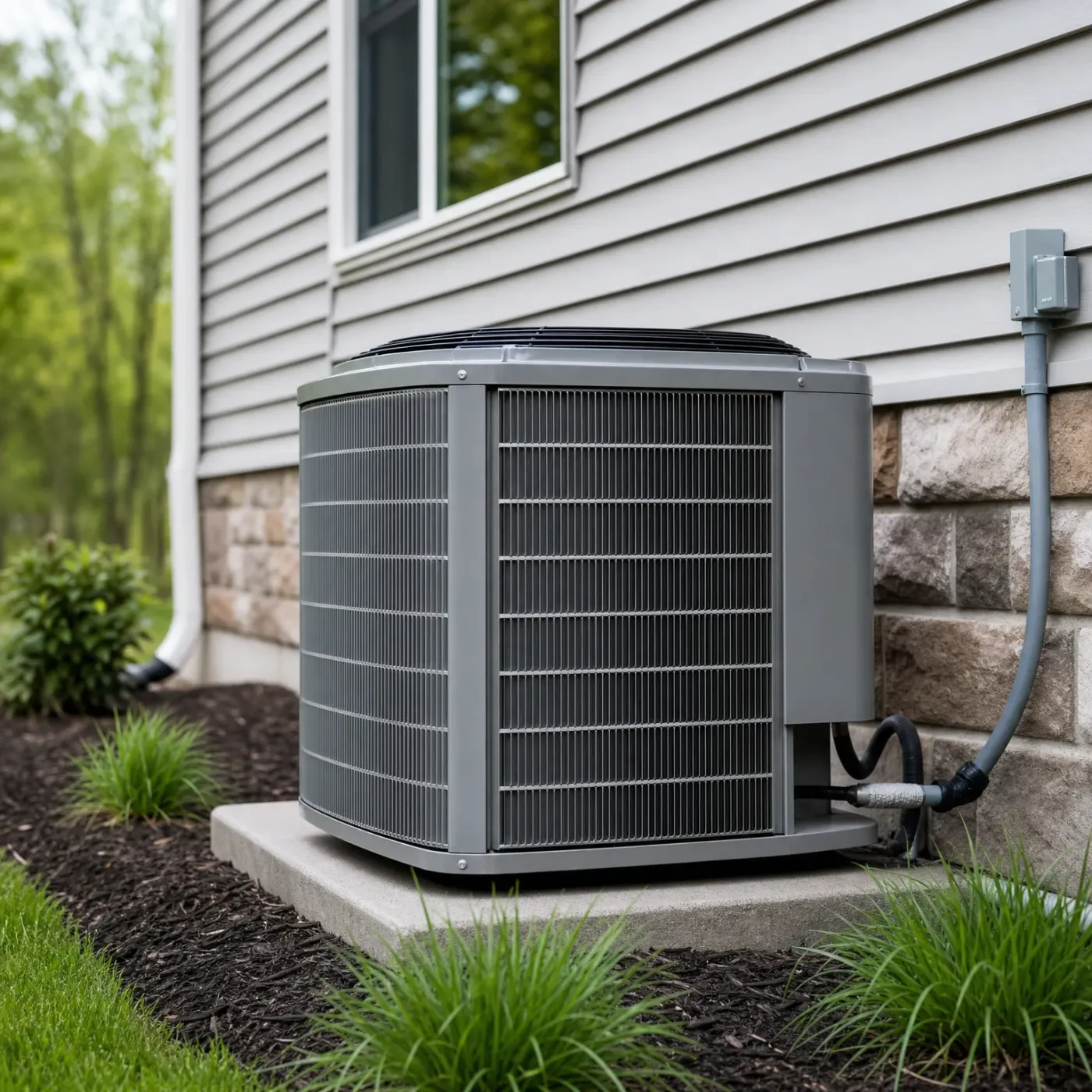
An outdoor air conditioning condenser unit on a concrete pad beside a house with horizontal siding, with an electrical disconnect box on the wall and shrubs to the right in low evening light.

A pro who works on air conditioners

Why your AC vents are sweating in Mississippi

Wet vents in Mississippi humidity usually mean the air coming out is too cold for the air in the room, or too much moist air is passing over a vent that was never sealed right. This page walks through what causes it and what fixes it. If it points to a repair, you can get matched with a contractor who'll look at your system and reach out, instead of calling around and explaining the problem over and over.

Match me with a pro

Sweating vents mean the metal is colder than the air around it, so moisture in the room is condensing right on the grille, the same way a cold glass sweats on a humid day. In Mississippi, summer air carries so much moisture that almost any vent running cold enough will pull water out of it. Usually the cause is one of two things. Either the duct running to that vent isn't sealed or insulated the way it should be, so cold air inside the metal meets warm humid air outside it, or the system is pushing air colder than it should, often because airflow is restricted somewhere and the coil is icing up and sending out air that's too cold. Left alone, that moisture doesn't stay at the vent. It drips into insulation, soaks drywall, and over time can rot the wood around it. A repair tech can trace which vent and which cause, then seal or adjust the system so it stops.

A gray outdoor air conditioner condenser unit on a concrete pad beside a house with horizontal siding and a light stucco wall, with a disconnect box and refrigerant lines on the wall and a shrub and mulch bed at left.

Insulation around the duct matters

A vent sweats fastest where the duct behind it runs through hot attic air with no wrap around it. The metal stays cold on the inside and hot air sits right on the outside, so moisture gives up the second it touches the grille. Ducts that run through conditioned space rarely do this, because the air on both sides of the metal is close to the same temperature. Check whether the sweating vents are the ones near an attic run or an exterior wall.

A gray outdoor air conditioning condenser unit on a concrete pad surrounded by gravel, next to a white horizontal-lap-sided house wall with an electrical box and conduit, against a blank white background on the left.

A dirty filter makes it worse

When a filter clogs, less air moves across the evaporator coil, and the coil gets colder than it should. That colder air comes out of the vent and hits warm, humid room air harder than normal. A filter changed on a regular schedule keeps airflow steady and keeps the supply air closer to the temperature it's supposed to be. If the sweating started around the same time the filter got dirty, that is worth ruling out before anything else.

What's that dripping near your vents

Look for a dark ring on the ceiling tile around the grille, or a drip that shows up on the floor under it after the AC has run a while. Sometimes it's just a damp spot on the vent cover itself, cool to the touch. In a closet or a corner where air doesn't move much, that moisture sits on drywall or trim instead of drying off, and over weeks that's what turns into a soft spot or a dark stain. If the vent is near carpet or a wood floor, the drip can warp or discolor it before you notice the vent was the source.

A gray outdoor air conditioning condenser unit on a concrete pad beside a house with horizontal siding and a stone veneer base, with refrigerant line and electrical disconnect box on the wall and flowering shrubs to the left.

Running normal, staying dry

Lines run clean into the wall, the pad is clear, and the vent nearby stays dry even on a wet July afternoon. Air comes out cold but the grille itself stays close to room temperature, so there's nothing for the humidity to collect on.


An outdoor air conditioner condenser unit on a concrete pad beside a house with light gray horizontal siding, with mulch and green shrubs on either side and a concrete walkway in the foreground.

Neglected, now a problem

Fins caked with dirt and years of weathering make this unit work harder to move the same heat, and a straining system can push duct temperatures low enough to sweat the grille. A unit left like this usually needs more than a cleaning.

A woman in a cream cowl-neck sweater sits by a window with snow outside, in a dimly lit living room with a sofa, lit lamp, mirror, candles and a fireplace.
A woman in a gray turtleneck sweater sits beside a large window looking out at snow-covered evergreen trees, in a dimly lit living room with a lit fireplace, lamps, couch and houseplant.
A woman in a cream turtleneck sweater stands beside a large window with snow-covered ground and bare trees outside, in a dimly lit living room with lamps, a sofa and framed art.
A woman in a grey cowl-neck sweater stands indoors near a window, looking out at falling snow, with a lamp, framed picture and couch in the warmly lit room behind her.
A gray outdoor air conditioner condenser unit on a concrete pad beside a house with horizontal siding and a stone veneer foundation, surrounded by mulch, ornamental grasses, and shrubs, with a conduit and disconnect box on the wall.

Get your air conditioner to the right pro

Describe what your air conditioner is doing once, in one form.

Tell a local repair pro what your air conditioner is doing.

Find my pro

You're not committing to anything by asking.

Call for Repair or Keep Watching

Call for repair

  • Water is landing on the ceiling or floor, not just beading on the grille, so there's an active drip to catch before it stains or warps anything.
  • The sweating shows up at one or two vents only, which usually points to a bad seal or missing insulation a contractor can find and fix directly.
  • The air coming out feels much colder than the rest of the house, which can mean the system is overcooling and running longer than it should.
  • A musty smell has started near the vent, which can mean water has been sitting in the duct or in the ceiling for a while.
  • The problem started recently and wasn't there last summer, which points to something that changed, like a seal that failed or insulation that slipped.

Watch for now

  • Only a light, occasional film shows up on the grille during the muggiest stretch of July or August and it's gone within an hour of the AC cycling off.
  • Every vent in the house sweats about the same amount, which usually points to the general humidity that day rather than one bad duct.
  • There's no sign of water past the grille itself, no ring on the ceiling, no drip on the floor, nothing darkening the wall.
  • The sweating only happens right after you've lowered the thermostat several degrees at once on an especially sticky day.
  • It clears up on its own once the house has had a few hours to catch up and the humidity indoors drops back down.
A gray outdoor air conditioner condenser unit on a concrete pad beside a house with horizontal vinyl siding, surrounded by mulch, flowering shrubs, and lawn.

Outside, the condenser just runs

The pad is clear, the fins are clean, and air moves through the coil the way it was built to. A unit that breathes like this cools the air to the right temperature, and the ducts carrying that air stay close to it, not far below it.

A weathered outdoor air conditioning condenser unit on a concrete pad beside a house with light horizontal siding, an electrical disconnect box and conduit on the wall, and mulched soil on either side.

A dirty coil changes what the vents do

Grime packed into the fins blocks airflow across the coil, so the unit works harder to pull heat out and can push air colder than it should. That colder air sits in the duct and the vent, and in Mississippi's humid summer air, that is exactly what turns a grille wet.

Why does only one of my vents sweat, not the others?

You've checked your other vents and they're all dry, cool, normal. Just this one keeps sweating, sometimes bad enough to drip. It doesn't make sense that the same cold air running through the same system would only cause trouble in one spot, so it's natural to wonder if something's actually wrong with that vent, or that run of duct, rather than with the AC itself.

That one vent has a problem the others don't

If every other vent stays dry, the air temperature isn't the issue. Something local to that vent is different. Usually it's the duct behind it running through a hotter stretch of attic, or insulation that's thin, torn, or missing right at that spot while the rest of the run is wrapped fine. Sometimes the boot where the vent meets the ceiling was never sealed, so warm attic air leaks in around the metal instead of staying outside the duct. Either way, the metal at that one vent gets colder than the room-temperature air sitting right against it, and Mississippi summer air holds enough moisture to condense the moment it touches something cold. A single sweating vent points at that one run, not at the system.

A gray outdoor air conditioner condenser unit on a concrete pad beside a house with horizontal lap siding, with a wall-mounted disconnect box and conduit to its right and shrubs to the left.
The pad is clean, the shrubs trim, nothing on the coil guard to slow the airflow going in.
An outdoor air conditioning condenser unit on a concrete pad beside a house with horizontal lap siding, with a conduit and electrical disconnect box on the wall at right.
Same unit, same age, but dirt's built up on the coil guard and the airflow going in is choked down.

Power costs 14.03 cents per kilowatt-hour statewide

At 14.03 cents a kilowatt-hour, running your AC colder than it needs to be to fight the sweating costs you something real. A tech sealing a duct or fixing a stuck damper often solves the dripping without you having to turn the thermostat down to compensate.

EIA-861 2025 statewide residential average

A man seen from behind raises his hand to wave at a woman standing in the open front doorway of a single-story house with gray shingle siding, white columns and a gabled porch entry.

A sweating vent has a reason behind it

Wherever the moisture is showing up, it's because warm, wet Mississippi air found a cold surface to land on. Sometimes that's a duct run with no wrap in a hot attic. Sometimes it's a grille blowing colder than the room around it, or a seal that never fit right. The fix depends on which one it is, and that's not something you can tell by looking at a wet ceiling tile.

A contractor who checks the duct, the insulation around it, and the air coming out of the vent can tell you which of those it is and what it takes to stop it. You won't need to track one down yourself or explain the dripping twice to two different companies. Once you're matched with someone who handles this kind of repair, they'll reach out and take it from there.

A living room corner with a light beige sofa holding a textured taupe cushion, a large ceramic vase of olive branches by a window, a framed neutral artwork on the wall, and a dark bowl with stacked books in the foreground.
An outdoor air conditioner condenser unit on a concrete pad beside a dark horizontal-lap sided house, with mulch beds, shrubs and ornamental grasses nearby.

The right pro for this job

Answer a few questions instead of calling shop after shop.

RepairCentral ACMississippi
Step 1 of 2

What ZIP code is the job in?