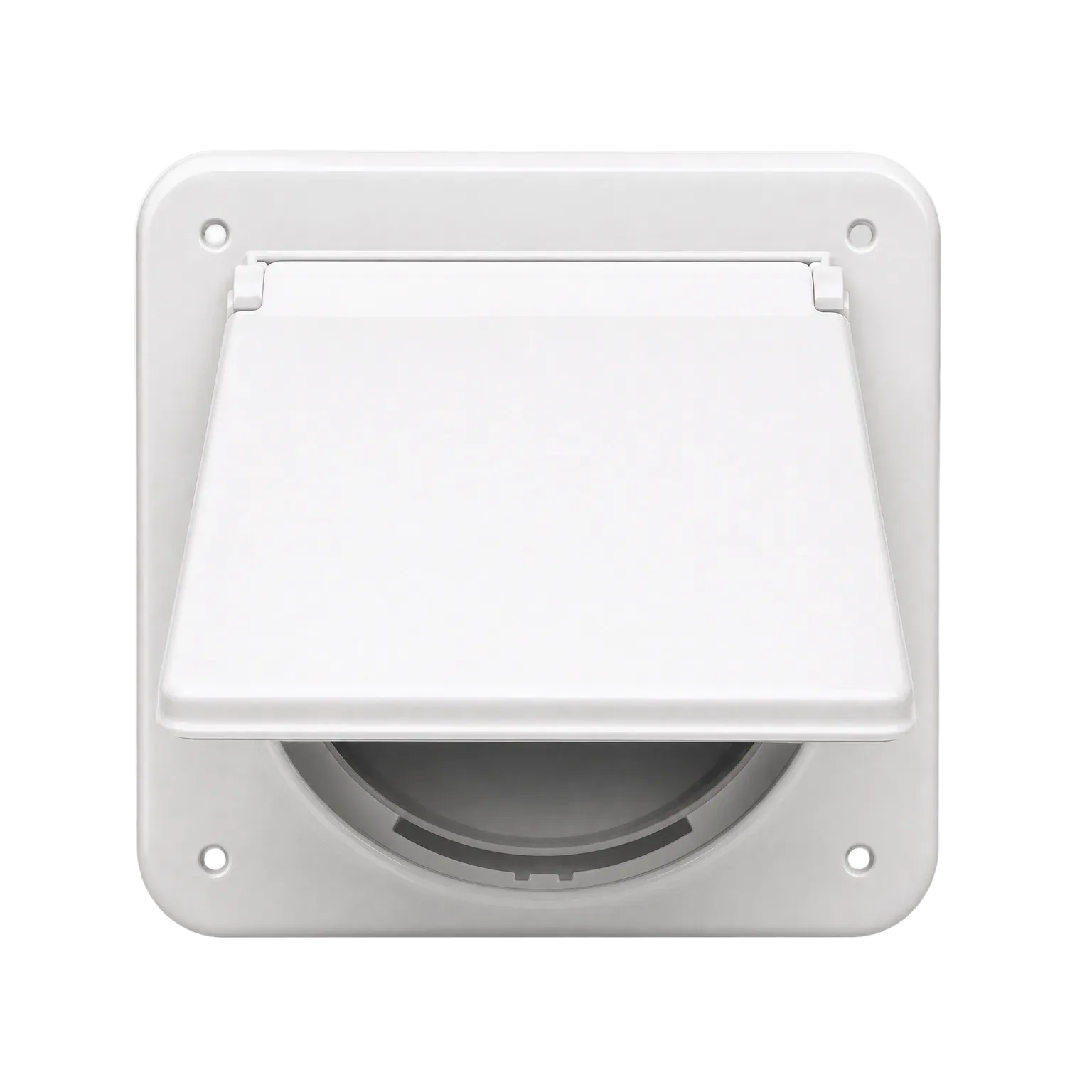
A dryer that runs two or three cycles to get clothes dry usually isn't drying the air, it's just tumbling. Lint builds up inside the vent line and narrows the path the hot, wet air needs to escape through. Mississippi summers add to the problem because the air outside is already thick with moisture, so a vent that's partly clogged has even less room to push humid air out of the house. Once the vent is restricted enough, the dryer's sensor keeps running the cycle because the clothes test damp, even though the drum is plenty hot. That's extra wear on the heating element and the motor, and clothes that come out hot but still damp at the end. Checking the vent line itself, not just the lint trap, is what tells you whether this is the cause.


A dryer doesn't know when clothes are dry. It only knows how long it's been running and how hot the air is, so a vent that's half blocked just makes the cycle longer instead of telling you something's wrong. Lint doesn't build up evenly along the line. It gathers where the air has to turn, at the elbows behind the machine and again at the hood flap outside, and over time those two spots choke the airflow before the rest of the line shows any sign of trouble. Once that happens, the hot, wet air has nowhere to go, so it stays in the drum and gets pulled back through the clothes load after load. You can check the hood flap yourself while the dryer runs. It should swing open with the airflow, and if it barely lifts, the line is already restricted. Mississippi's summer humidity makes a marginal vent worse, since the exhaust is pushing against wet outside air instead of dry air. If a cycle ever runs with no heat at all, that usually means the thermal fuse already tripped from the vent overheating.
Why the Vent Backs Up
- A dryer senses heat and runtime, not dryness, so a partly clogged vent just makes it run longer instead of shutting off sooner.
- Lint collects fastest at the elbows and at the hood flap outside, since both spots force the airflow to change direction.
- A clogged vent traps wet air inside the drum, and that moist air gets pulled back through the clothes on every rotation.
- The outside hood flap should swing open when the dryer runs; if it barely moves, the line is already restricted.
- Humid outdoor air pushes back against the exhaust, so a vent that's marginal in a dry month can fail completely in July or August.
- A full cycle with no heat at all usually means a thermal fuse has already tripped from the vent running too hot for too long.



It's almost nine on a Tuesday and you're still in the laundry room. The dryer's been running since before dinner, third cycle now, and the towels on top of it are still heavy and damp where you pulled them out to check. The air in here is close, the way it gets in a Mississippi house in July when the humidity outside doesn't let up and the room never quite clears. You press a hand into the stack anyway, hoping this round did it. It didn't. You set the dial again and go back to whatever you were doing before, because tomorrow's load is already waiting behind this one.
Send one request and you're done looking
A dryer vent doesn't clear itself, and running another cycle won't move the lint sitting in the line. Someone has to get into the duct, break up what's packed at the elbows and the hood flap, and check that the flap swings free when it's done. That's a job for a contractor who works on vents in Mississippi all summer, through the humidity that makes every clogged line worse, and who knows the hood flaps and tight elbow runs common to homes here well enough to find the blockage without guessing at it. Send the request and a local, licensed contractor takes it from there, just the one, so you're not fielding calls from a handful of companies trying to win the job. You stop managing the problem yourself, the search, the comparing, the wondering who's any good, and hand it to someone who already knows what usually fails. The dryer stops being something you have to watch.
A dryer pushes out about two hundred cubic feet of air a minute when the vent is clear. Pack lint into the elbows or the hood flap and that volume drops, even though the drum keeps turning at the same speed.
Less air moving means less moisture leaving the house. The dryer runs the full cycle anyway, since it was never checking for dry, only for time and heat.


Running it longer isn't fixing it
Adding a fourth cycle because the towels are still damp costs you the evening and doesn't clear anything in the line. The lint packed at the elbows and the hood flap stays exactly where it is. Each extra cycle pushes more hot, wet air against that same blockage, and in a Mississippi summer the dryer is already fighting air that's muggy to begin with. You end up spending more on power to run a machine that was never going to finish the job, since the problem isn't the heat setting or the load size. It's the path the air has to travel, and no setting on the dryer changes that.
A cleared vent changes the math
Once the line is clear, a normal load dries in one cycle because the air moving through the duct is doing what it's supposed to: carrying the moisture out and away instead of circulating it back toward the drum. You'll notice the laundry room doesn't get as warm or as close while it runs. The dryer shuts off on its own timer or sensor instead of running past it because the clothes are actually dry when it checks. Power here isn't unusually cheap, so a dryer that finishes in one cycle instead of three is the difference that shows up on the bill every month, not just on laundry day.
Power costs 14.03 cents per kilowatt-hour statewide
At just over 14 cents a kilowatt-hour, a dryer stuck on its third cycle is spending real money on electricity that isn't drying anything, just tumbling damp clothes against a clogged line. Clearing the vent gets the dryer back to shutting off after one cycle instead of three.
EIA-861 2025 statewide residential average
The Vent Was the Answer
- A dryer that needs two or three cycles has a vent line restricted by lint, not a mechanical problem with the dryer itself.
- Lint settles fastest at the elbows and the hood flap outside, since both points force the air to change direction.
- A clogged hood flap can't swing open, so the hot, wet air a full load pushes out has nowhere to go.
- The dryer only tracks heat and runtime, so a narrowed vent just makes it run longer instead of catching the problem.
- Clearing the line restores the airflow a dryer needs to carry moisture out, not just tumble it.
- Mississippi's summer humidity adds to a clog that's already slowing the air down, making the delay worse.
A dryer that won't finish in one cycle is telling you something simple: the air it needs to push out isn't getting out. Lint has narrowed the line, usually right at the elbows or the hood flap, and the dryer has no way to know that. It only measures heat and time, so it just keeps running, cycle after cycle, while the actual problem sits untouched in the duct. That's why running it longer never works. The fix isn't a setting or a new dryer, it's clearing the path the air travels from the drum to the outside wall. Once that line is open again, the dryer pushes out the volume of air it was built to move, and the moisture goes with it instead of settling back into the clothes. In Mississippi, where the air outside is already carrying its own moisture most of the summer, a restricted vent has even less margin to work with. The dryer that used to finish in one cycle can do that again, but only once the lint blocking the elbows and the hood flap is gone. Everything upstream on this page points to the same place: this isn't a dryer that's failing, it's a vent that's full. Clearing it is the whole fix, and it's the only one that lasts.




Dryer Vent Cleaning
Finding a pro stops being your job
Only one pro gets your request, so you hear from one company.
