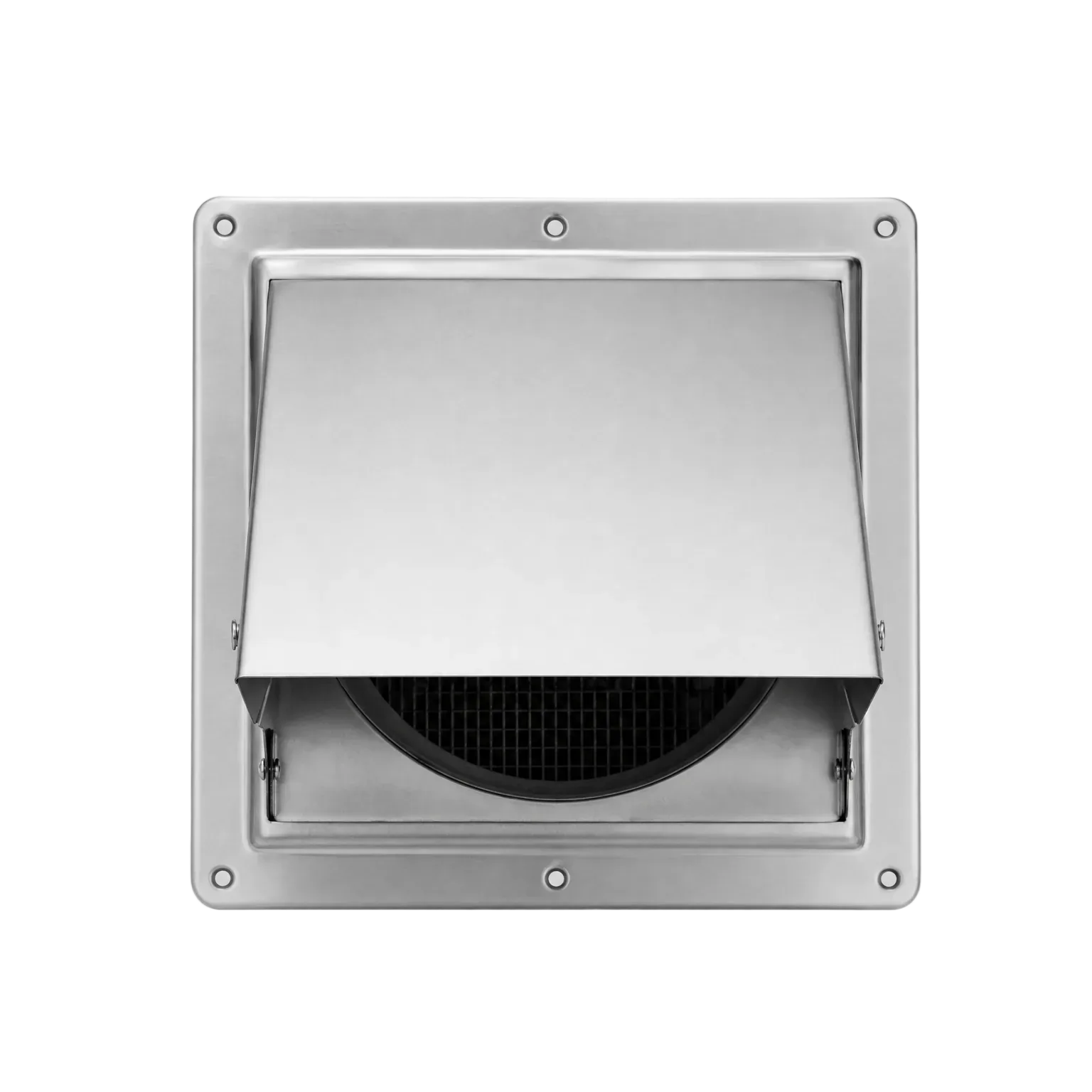
Vent clear, louvers open
The hood sits flush against the siding and the louvers swing open when the dryer runs. Air pushes out in a steady stream, and with it goes the moisture your clothes are holding. Nothing blocks the opening.
You load the dryer, run a full cycle, and pull out clothes that are hot to the touch but still damp. It's frustrating when the dryer is clearly working hard, and it usually means you run it again, which costs more and still might not finish the job. In the thick air of a Mississippi summer, wet clothes coming out of the dryer feel even worse, since the house already holds more moisture than usual.
A dryer dries clothes by pushing hot air through them and out through the vent. If the vent is clogged with lint, that air backs up inside the drum instead of leaving the house. The heating element keeps running, so the dryer still gets hot, but the moisture it pulls off your clothes has nowhere to escape. You end up with a hot dryer and a damp load. In Mississippi, the air coming in from outside already carries a lot of moisture most of the year, so a vent that's even partly blocked struggles more here than it would somewhere dry. A full cycle that used to take less time now runs long and still doesn't finish the clothes.


Heat only does half the job. The drum warms the air, but it's the airflow that carries the moisture out of the house through the vent. When lint narrows that path, the air still gets hot, it just stops moving the way it needs to. The thermostat has no way of knowing that. It's reading the temperature inside the drum, so as long as that number looks right, it keeps the heat coming, even while the clothes stay damp and the air inside the vent gets heavier with moisture it can't release. The blower wheel is working against that same blockage, pushing harder for less result each cycle. In Mississippi, the air coming into the house in summer already carries a lot of moisture on its own, so a vent that's even partly blocked has less room to clear the drum before a load comes out wet. None of this happens overnight. A vent clogs a little at a time, so a dryer that worked fine last year can end up here without any one thing going wrong.




Skip calling around for someone who cleans dryer vents.
Your dryer vent cleaning request goes to a local pro who does this work.
Asking costs nothing, and the choice to hire stays yours.
You run a cycle, check the clothes, and run it again. Maybe a third time before anything is wearable. You notice the dryer is hot, the laundry room is warmer than it should be, and sometimes there is a faint burnt-dust smell when it kicks on. The outside vent hood barely moves any air when you hold your hand near it, where it should feel like a steady push. Mississippi summers are muggy enough without a laundry room adding to it. A blocked vent means the dryer runs longer every single load, and with electric heat in most homes here, that adds up on the power bill all year. Left long enough, a packed vent is also a fire risk, since lint is what catches.

The hood sits flush against the siding and the louvers swing open when the dryer runs. Air pushes out in a steady stream, and with it goes the moisture your clothes are holding. Nothing blocks the opening.

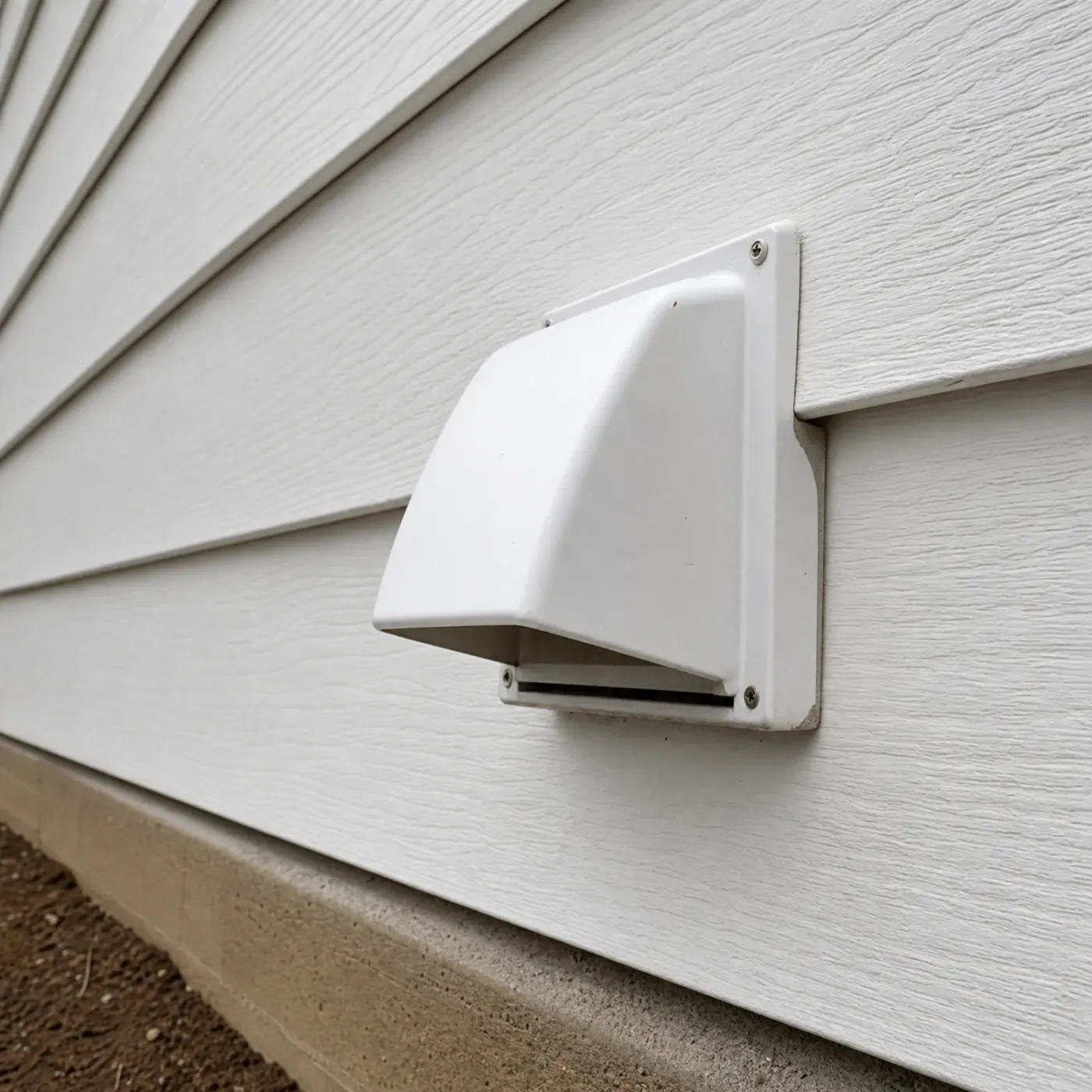
The louvers can't open because lint has built up across the whole opening. Air that should be carrying moisture outside is backing up into the duct instead. A vent in this shape needs clearing before a dryer run will dry anything properly.


In a Mississippi house, a clogged dryer vent shows up fast. Summers already run muggy here, and a dryer that can't push its damp air outside just adds more of it to the laundry room, so the room stays warm and heavy long after the cycle ends. You end up running the dryer two or three times for one load, and since most homes here heat and dry with electric power, that extra cycle shows up on your bill at a normal electric rate, not a bargain one. The lint itself is the bigger risk. Packed into the vent line, it sits next to a heating element that keeps running cycle after cycle, and a blocked vent is one of the more common reasons dryers catch fire. Clothes that stay damp also stay in a warm, wet drum longer, which is exactly the kind of place mildew smell starts. None of this fixes itself by running the dryer again.
Running the dryer twice to finish one load adds up at 14.03 cents per kilowatt-hour. A clogged vent makes the dryer work through a full cycle and then some, so you're paying for heat that never leaves the drum. Clearing the vent gets you back to one cycle, one bill.
EIA-861 2025 statewide residential average

It's a little past seven and you're still in the laundry room. The dryer's been running since before dinner, and you just opened it to find the towels still heavy and damp, the kind of damp that sticks to your arm when you pile them up. You stack them on top of the dryer anyway, not sure what else to do with them. The room feels thick, warmer than the rest of the house, the air sitting on your skin the way it does outside in a Mississippi summer. The dryer ticks as it cools. You're thinking about whether to run it again tonight or just hang the towels somewhere and deal with it tomorrow.

The dryer heats the drum every time you run it. What it can't do, with lint packed into the vent line, is push that hot moist air out of the house. That's the whole story behind towels that come out warm but heavy, and a laundry room that stays thick with heat long after the cycle ends.
Clearing the line is what brings back the one-cycle dry. Instead of tracking down a vent cleaning contractor yourself, calling around, and explaining the same problem more than once, you can get matched with one who takes on this exact job and have them reach out to you directly.


Answer a few questions about the dryer vent cleaning and skip the search.