
HVAC Installation in Pearl, MS
A new system here will heat from November through March and cool from May through October every year. Tell us about the house, and a licensed contractor who covers Rankin County will get in touch.
Tell us about the job
It takes about a minute.

Eleven months a year, your system is working in Pearl
Cooling runs May through October here, six months of afternoons averaging 91°F. Heat takes over November through March, five months of nights that average 37°F. That is eleven months where a new system carries the load.
A system built for that has to hold up at both ends, and it has to hold up when the power goes out. Rankin County has logged 213 damaging wind events and 4 winter storms over the past ten years. Statewide, 30% of households went at least 24 hours without power in 2024. Almost half the homes here, 47.1%, heat with electricity, so when the power drops in a cold snap, the heat drops with it.
- 5 months
- November through March, your system heats
- 6 months
- May through October, it cools
- 37°F
- the average winter night it heats against
- 91°F
- the average summer afternoon it cools against
NOAA nClimDiv, 1991–2020 normals
Mississippi requires HVAC contractors to hold a state license.
The state board tests contractors before they can get this license, and it keeps a record of who holds one. That license belongs to the contractor, not to any single job, so it does not get reissued or reviewed each time a new system goes in.
For a heating and cooling installation in Rankin County, that license is the credential standing behind the person doing the work. Alongside it, most local building offices require a permit for this kind of job, with an inspection once it is finished. That inspection is a separate check on the installation itself, done by the local building office rather than the state board.
Source: Mississippi State Board of Contractors
- When should I replace my HVAC system?
- Once your furnace or air conditioner is breaking down more than once a season, or a contractor tells you a major part like the heat exchanger or compressor has failed, replacement usually makes more sense than another repair. An older system working hard to keep up is also a sign, especially since homes here need heat five months of the year and cooling six, leaving little downtime before the next season leans on it again. If your energy bills have crept up without a clear reason, that's often the system losing efficiency before it fails outright. A contractor can look at the age and condition of your equipment and tell you whether it's worth repairing again or replacing.
- Should I replace my furnace and air conditioner at the same time?
- If both are original to the house and close in age, replacing them together is worth asking a contractor about. A furnace and air conditioner installed at the same time are matched to work together, and mismatched systems can run less efficiently or wear out sooner. It also means one visit and one inspection instead of two separate jobs down the road. That said, if one system is much newer than the other, there's no reason to replace the working one early. A contractor can look at the age and condition of each and tell you whether pairing them makes sense for your house.
- What happens during an HVAC installation?
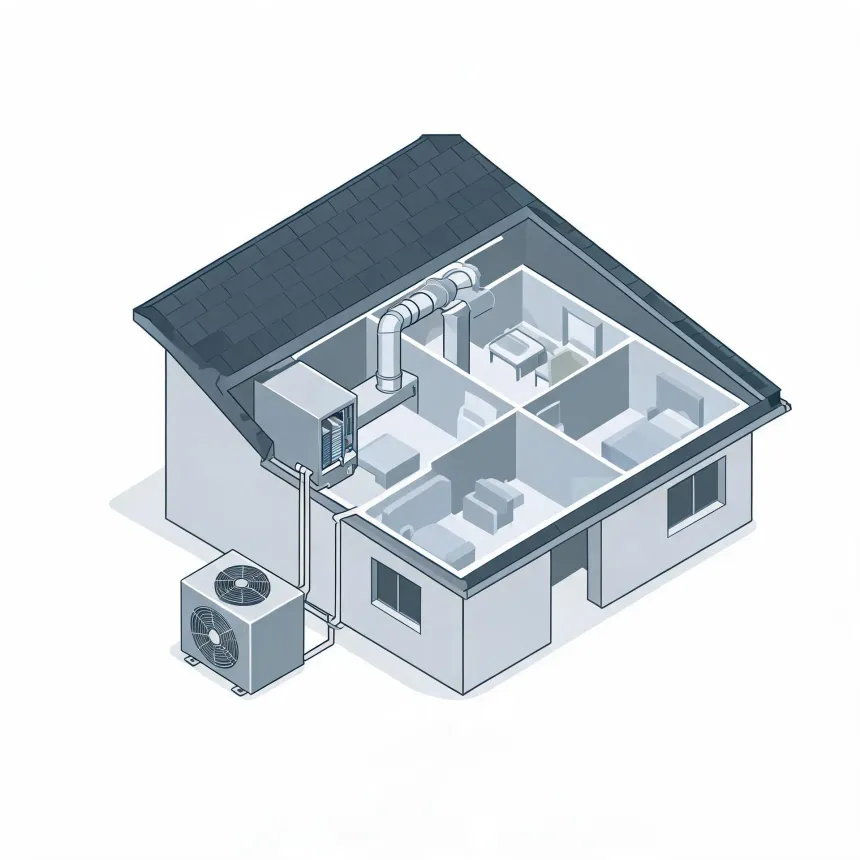
- A contractor removes the old furnace, air conditioner or both, and sets the new equipment in place, connecting it to your ductwork, electrical, and for a furnace, the gas or fuel line. Refrigerant lines get connected and checked for leaks, and the system is tested to make sure it heats and cools correctly before the job is called done. In most cities and counties here, this work needs a permit from the local building office, and an inspector checks the job once it's finished. Mississippi also requires the contractor doing the work to hold a state license, which covers the company rather than the individual job. How long the installation takes and what it involves in detail depends on your home's setup, so a contractor will walk you through the specifics once they've seen the job.