
HVAC Installation in Madison, MS
A new system here will heat from November through March and cool from May through October every year. Tell us about the house, and a licensed contractor who covers Madison County will get in touch.
Tell us about the job
It takes about a minute.

A system that has to carry Madison County most of the year
A home here runs heat or cooling eleven months out of the year. Summer stretches longest, six months of it, May through October, with afternoons averaging 91°F, so the air conditioner is working against real heat, not mild weather. Winter is shorter, November through March, but nighttime lows still average 37°F, enough that the furnace has real work to do too.
About half the homes here heat with gas, and whatever system goes in has to handle both ends of that swing. Storms are part of the picture as well. Mississippi saw 30 percent of households lose power for at least 24 hours in 2024, and this area has logged 160 damaging wind events over the past ten years. A new system is worth installing with that in mind.
- 5 months
- November through March, your system heats
- 6 months
- May through October, it cools
- 37°F
- the average winter night it heats against
- 91°F
- the average summer afternoon it cools against
NOAA nClimDiv, 1991–2020 normals
Mississippi requires HVAC contractors to hold a state license.
The State Board of Contractors tests and licenses HVAC contractors in Mississippi. That license belongs to the contractor, not to any single job, so it does not expire when this installation is done and it does not need to be renewed for the next one.
For an installation, that license is what stands behind the work, but the local building office still has a role. Most cities and counties in Mississippi require a permit before a furnace, air conditioner or heat pump is replaced, and an inspection once the work is finished. The permit puts the job on record with the local office, and the inspection checks that what got installed meets code.
Source: Mississippi State Board of Contractors
- When should I replace my HVAC system?
- Once your furnace or air conditioner is old enough that repairs keep coming back, or a repair is going to cost close to what a new system would, replacement makes more sense than another fix. Age matters too. A furnace or air conditioner working hard through 11 months of heating and cooling a year wears faster than one that gets a break. If your system is struggling to keep up on the coldest nights or hottest afternoons, that's a sign it's near the end, not just having a bad day.
- Should I replace my furnace and air conditioner at the same time?
- If both are old, replacing them together is worth considering, even if only one has failed. A furnace and air conditioner installed at different times often don't match well, and a mismatched system can run less efficiently than two units built to work together. Replacing them together also means the contractor only has to come out once instead of coming back later for the other unit. That said, if one unit is much newer than the other, replacing just the one that failed is still the right call.
- What happens during an HVAC installation?
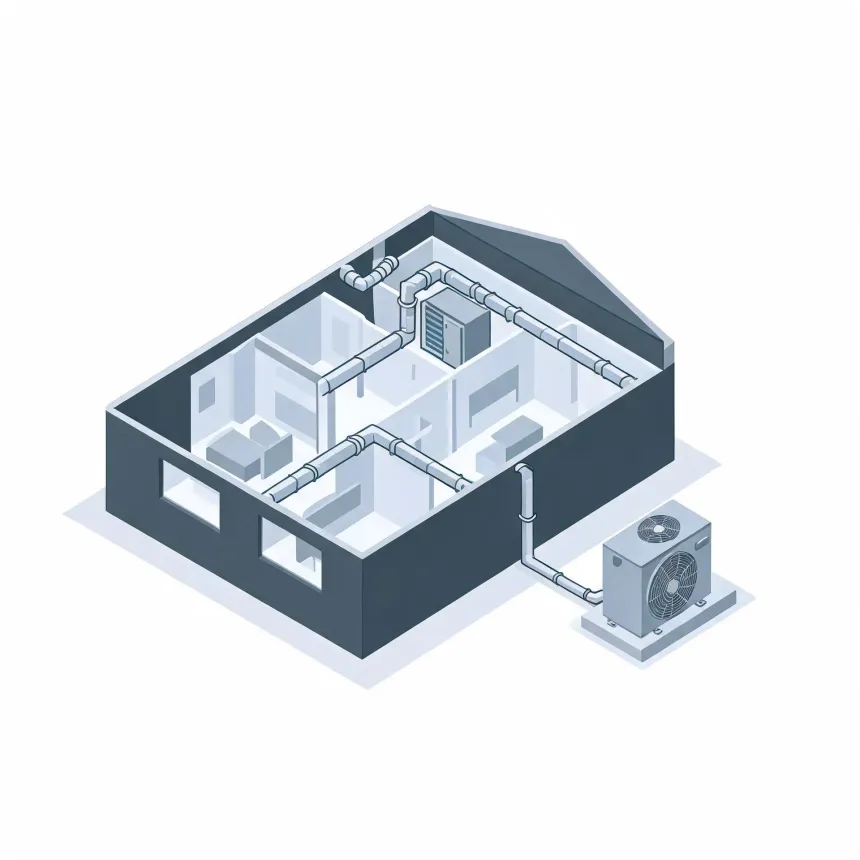
- A contractor removes the old furnace and air conditioner, or heat pump, and sets the new equipment in place, connecting it to the ductwork, refrigerant lines, gas line or electrical circuit it needs. They test the system to make sure it's heating and cooling correctly before calling the job done. In most cities and counties here, this work needs a permit from the local building office, and an inspector checks the completed installation. A licensed contractor handles pulling that permit as part of the job.