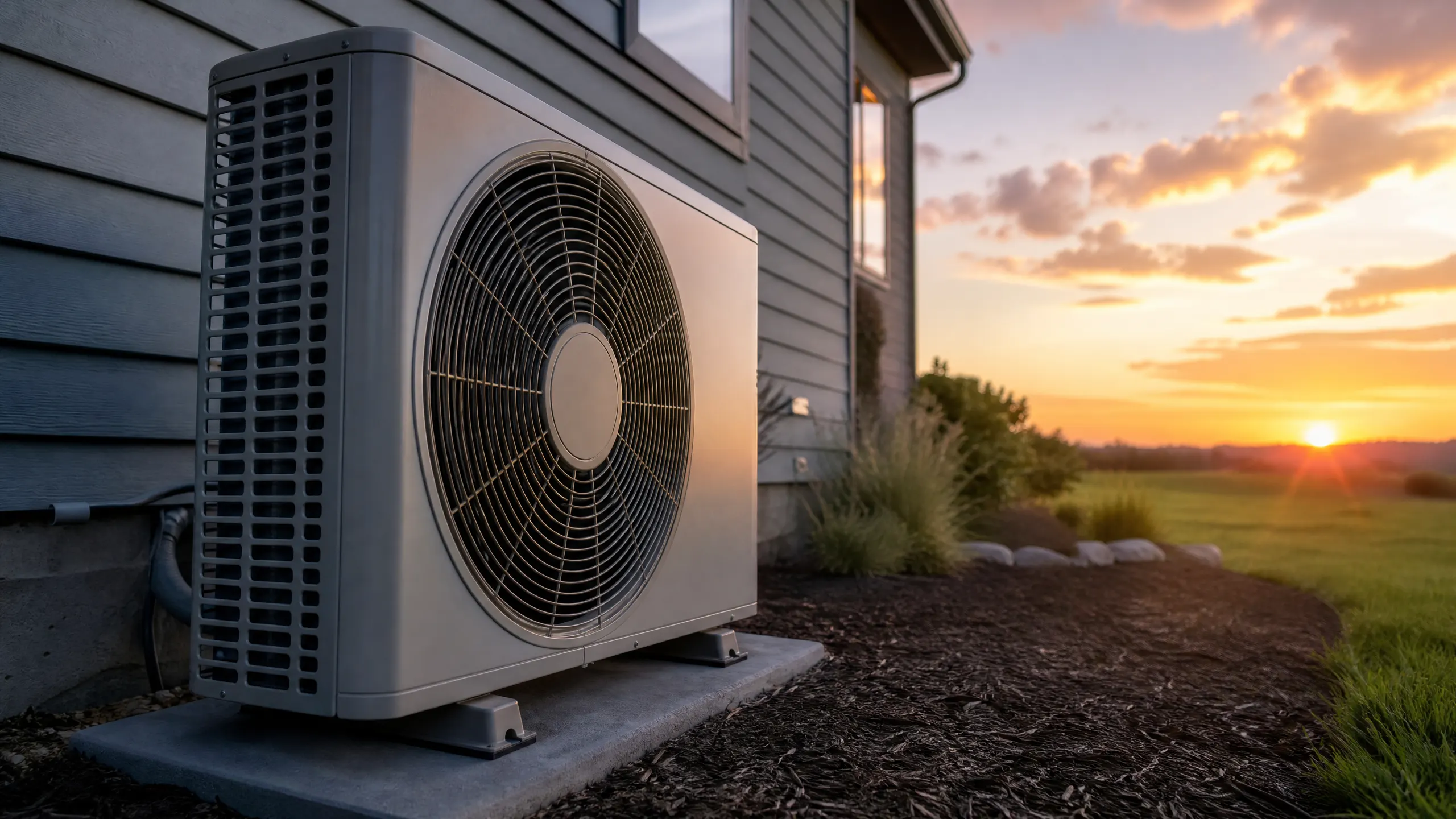
Heat Pump Installation in Madison, MS
A new system here will heat from November through March and cool from May through October every year. Tell us about the house, and a licensed contractor who covers Madison County will get in touch.
Tell us about the job
It takes about a minute.
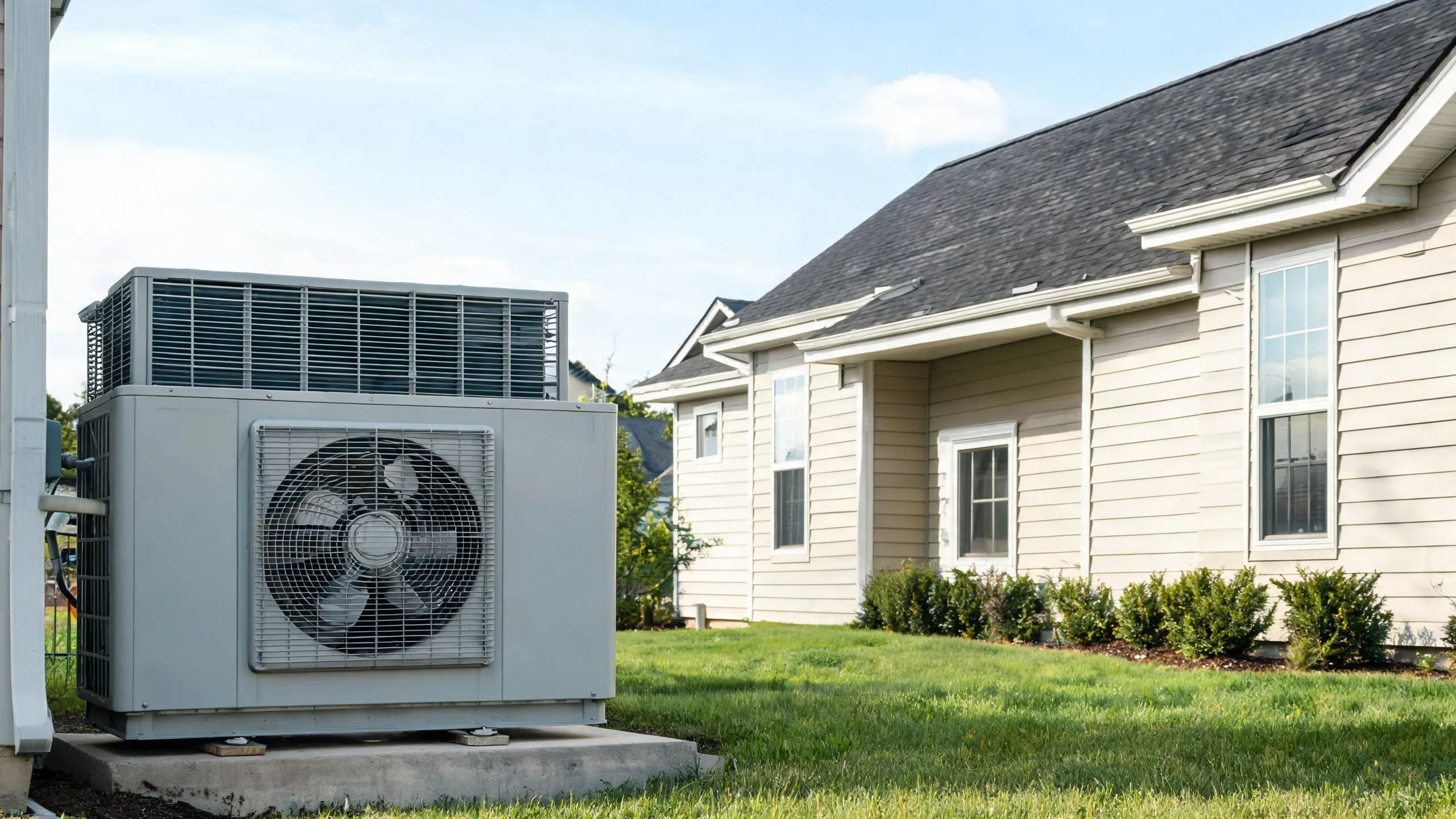
Eleven months of work a year in Madison County
Your heat pump runs almost year round here. Nights average 37°F through the winter, then afternoons climb to 91°F all summer, and the unit has to answer both. November through March asks for heat, five months, and May through October asks for cooling, six months. That leaves barely a few weeks a year when it can rest.
A new split-system heat pump has to meet federal minimums of 14.3 SEER2 for cooling and 7.5 HSPF2 for heating. Mississippi sees storms strong enough to cut power to a large share of households for a full day or more, so the unit going in should come back on and get to work on its own when the power returns, not wait on anyone to reset it.
- 5 months
- November through March, your system heats
- 6 months
- May through October, it cools
- 37°F
- the average winter night it heats against
- 91°F
- the average summer afternoon it cools against
NOAA nClimDiv, 1991–2020 normals
Mississippi requires HVAC contractors to hold a state license.
Mississippi's license is issued through the State Board of Contractors, and it belongs to the contractor rather than to any single job. The same license that qualifies them to install a heat pump also covers the next job they take on.
For this installation, that license is what stands behind the person doing the work. Beyond that, most cities and counties in Mississippi require a permit for a heat pump installation, and an inspection once the work is done to check that it meets code.
Source: Mississippi State Board of Contractors
- Is a heat pump better than a furnace?
- It depends on what you're weighing. A heat pump handles both heating and cooling from one system, so you're not running a furnace all winter and a separate air conditioner all summer. Here, homes need heat from November through March and cooling from May through October, so a system that does both is working nearly all year round. A furnace only heats, and it burns gas to do it, while a heat pump moves heat instead of generating it, which is why it can run either direction. Almost half the homes in the area heat with gas now, so switching to a heat pump is a real change in how the house is heated, not just an upgrade.
- What's the difference between a heat pump and an air conditioner?
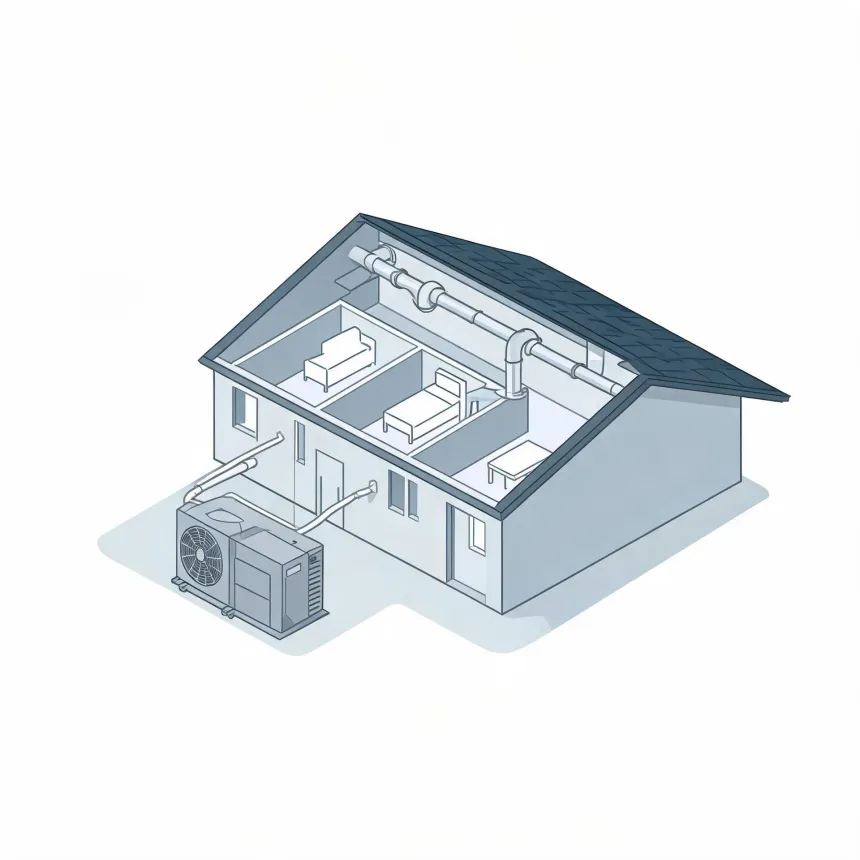
- An air conditioner only cools. A heat pump does the same cooling job in summer, but it can also reverse and pump heat into the house in winter. Inside, the two look almost identical, same compressor, same outdoor coil, same refrigerant cycle. The difference is a reversing valve that lets the heat pump switch direction, so it can pull heat from the outside air and bring it indoors instead of only sending heat outside.
- Does a heat pump work in cold weather?
- Yes. A heat pump pulls heat from outdoor air even when that air feels cold, because there's still heat in air well below freezing. Winter nights here average 37°F, which is well within the range a heat pump is built to handle. As the outdoor temperature keeps dropping, a heat pump has to work harder to pull the same amount of heat, and some systems add electric resistance heat or pair with a furnace for the coldest stretches. A contractor can size the system to the specific house and tell you whether backup heat makes sense for this area.