Heat Pump Repair in Batesville, MS
Homes here need heat from November through March and cooling from May through September. If your system quits, tell us what it's doing and a licensed contractor who covers Panola County will get in touch.
Tell us about the job
It takes about a minute.
Batesville asks a heat pump to run ten months a year
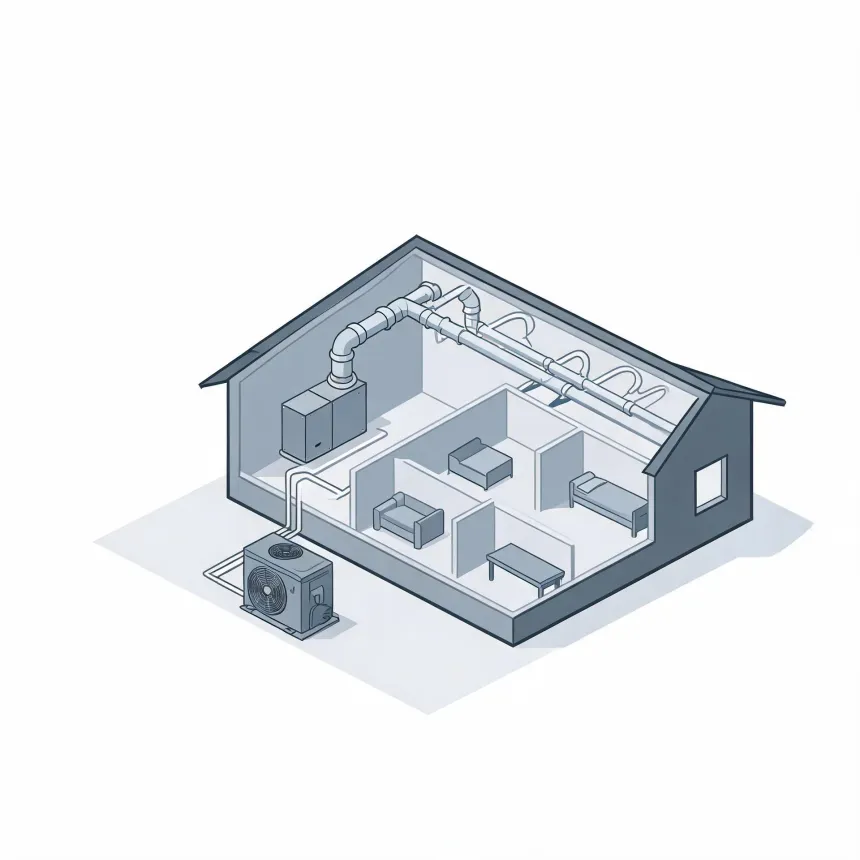
November through March your heat pump is heating. May through September it's cooling. Only a couple months of the year it gets to sit idle, and that kind of run time wears on the parts that keep it going.
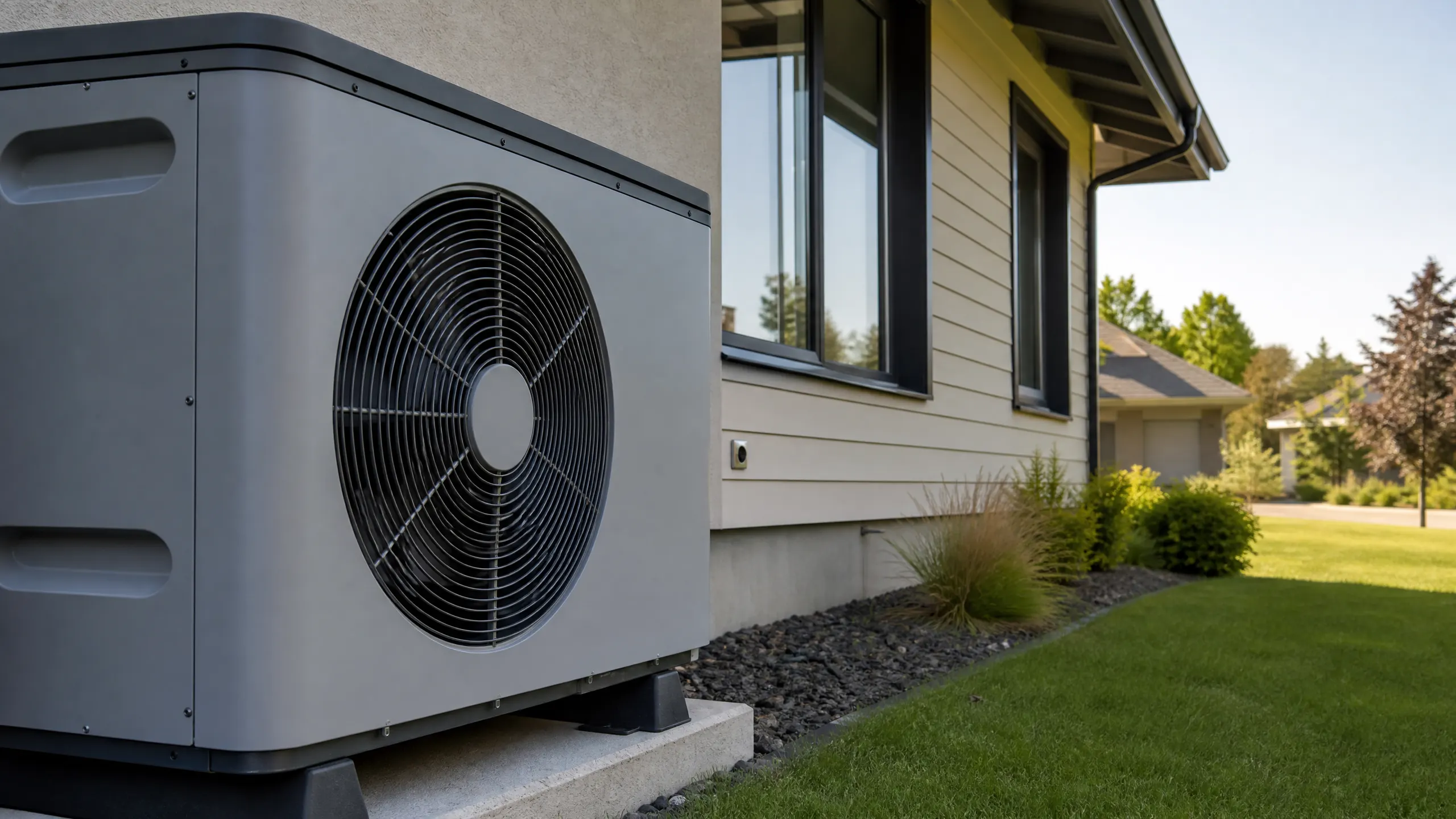
Winter nights averaging 35°F mean the system runs its defrost cycle over and over to keep the outdoor coil clear of ice. Summer afternoons near 90°F push the compressor hard for months straight. Between the two, the reversing valve that switches the system from heat to cooling gets worked all year, and when it sticks, the system blows air that's the wrong temperature for the season. Panola County has also seen its share of damaging wind, and a heat pump's outdoor unit sits outside to take it. Bent fins, a knocked-loose panel, or debris in the coil can all keep it from moving air the way it should.
- 5 months
- November through March, your system heats
- 5 months
- May through September, it cools
- 35°F
- the average winter night it heats against
- 90°F
- the average summer afternoon it cools against
NOAA nClimDiv, 1991–2020 normals
Mississippi requires HVAC contractors to hold a state license.
The Board tests contractors before they get that license and keeps a record of who holds one, so the license is tied to the contractor rather than issued fresh for each job. That means the same license that qualifies someone to install a system also qualifies them to repair one.
A heat pump repair usually means opening the refrigerant side of the system, and federal law requires anyone who does that to hold EPA Section 608 certification, regardless of what state they work in. In Mississippi, the state license is what puts a contractor on record and accountable for the work, and the 608 card is a separate requirement on top of it for anyone handling the refrigerant itself.
Source: Mississippi State Board of Contractors
- Why is my heat pump blowing cold air?
- In heating mode, a heat pump puts out air that feels cool compared to a furnace, usually around body temperature, and that's normal. If the air coming from the vents feels genuinely cold instead of lukewarm, the problem is often a thermostat set to fan-only instead of auto, a clogged filter cutting off airflow, or low refrigerant. A frozen outdoor coil will also stop the system from heating properly and needs a contractor to look at it.
- Why is there ice on my heat pump?
- Some frost on the outdoor unit during cold weather is normal, and the system defrosts itself on a timer. Ice that stays or keeps building up points to a real problem, usually low airflow from a dirty filter or blocked coil, low refrigerant, or a defrost control that has failed. With winter nights here averaging 35°F, the unit already runs its defrost cycle often, so ice that does not clear on its own needs a contractor to check it before it strains the compressor.
- Why is my heat pump running but not cooling?
- If the outdoor unit and indoor fan are both running but the air isn't cooling, the most common causes are a dirty filter blocking airflow, a frozen indoor coil, or refrigerant that has leaked out. Low refrigerant won't fix itself and won't go back to the right level without a contractor finding the leak, since only a technician with EPA Section 608 certification is allowed to work on the refrigerant side. With summer afternoons here reaching 90°F, a system that's not cooling right will fall further behind as the day goes on rather than catch up on its own.