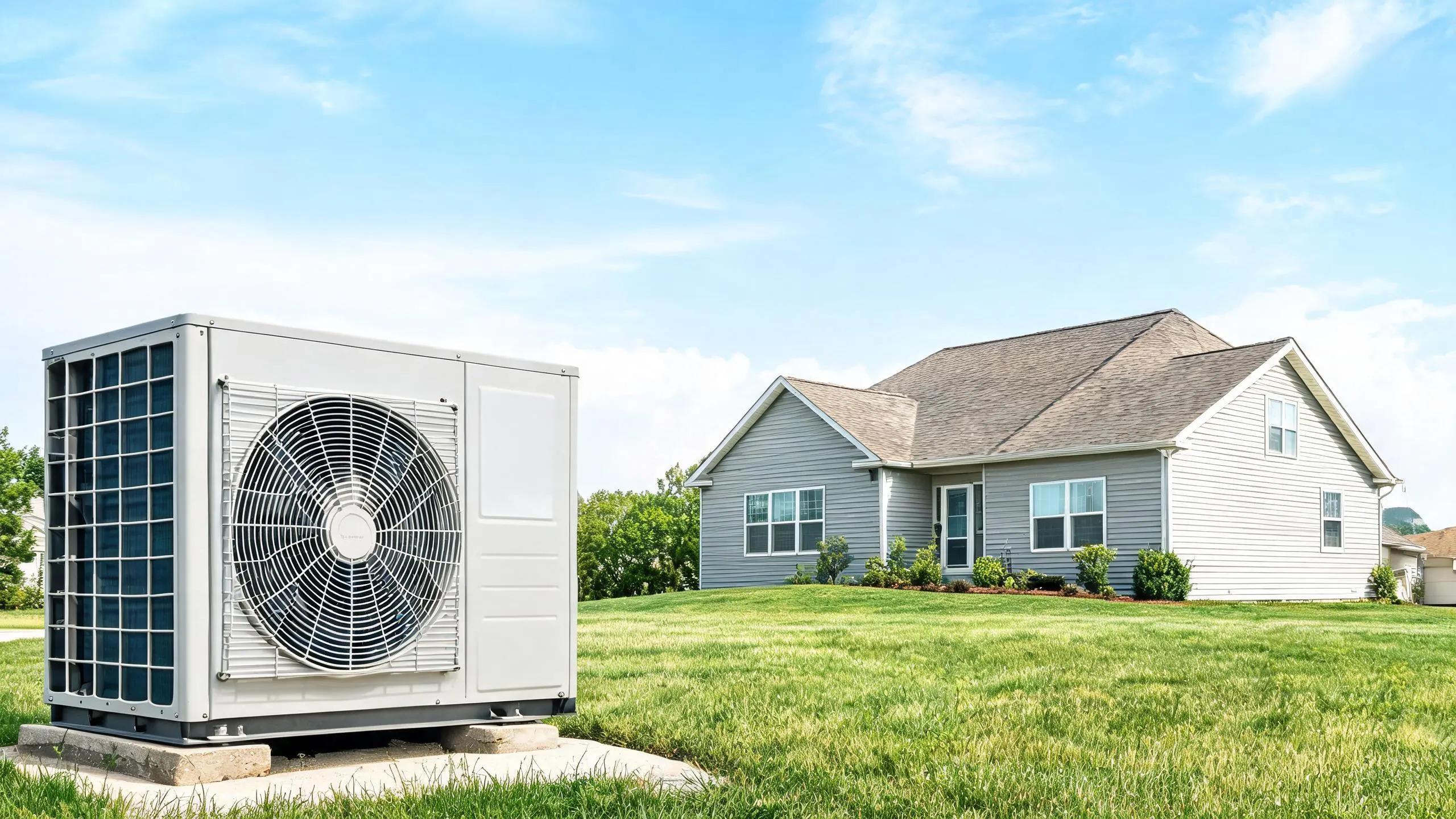
Heat Pump Installation in Bay St. Louis, MS
A new system here will heat from November through March and cool from April through October every year. Tell us about the house, and a licensed contractor who covers Hancock County will get in touch.
Tell us about the job
It takes about a minute.
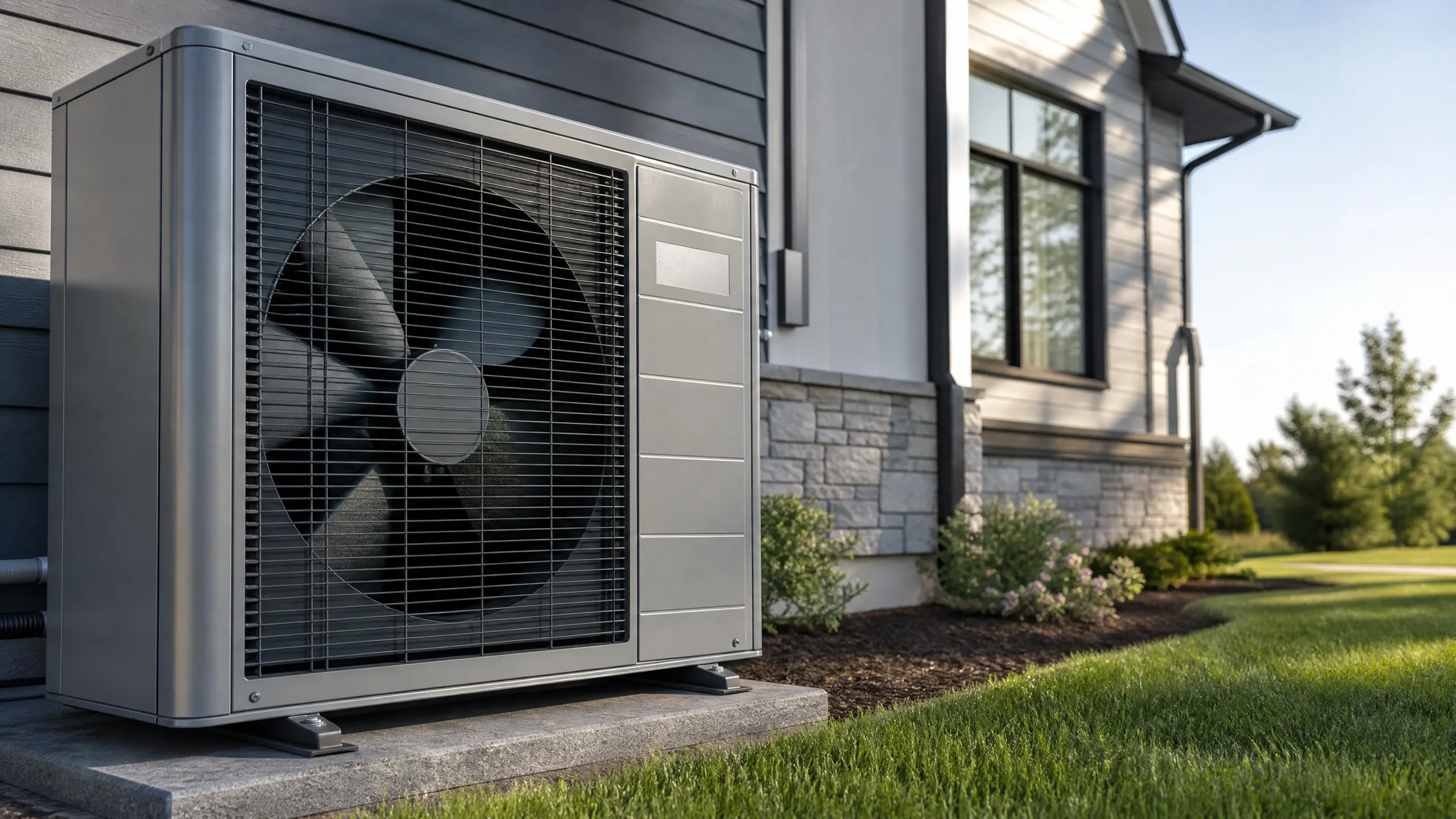
Bay St. Louis asks a heat pump to run all year
Winters here are mild, averaging 43°F on a December night, but summer afternoons run hot at 90°F. A heat pump in Hancock County works nearly twelve months, heating from November through March and cooling April through October. Almost nine in ten homes here heat with electricity, so that heat pump is doing the job a furnace would do elsewhere.
A new split-system heat pump has to meet 14.3 SEER2 for cooling and 7.5 HSPF2 for heating if it was built after January 1, 2023. On the coast, the cooling side of that rating matters most, since the unit spends more months moving heat out of the house than putting it in.
- 5 months
- November through March, your system heats
- 7 months
- April through October, it cools
- 43°F
- the average winter night it heats against
- 90°F
- the average summer afternoon it cools against
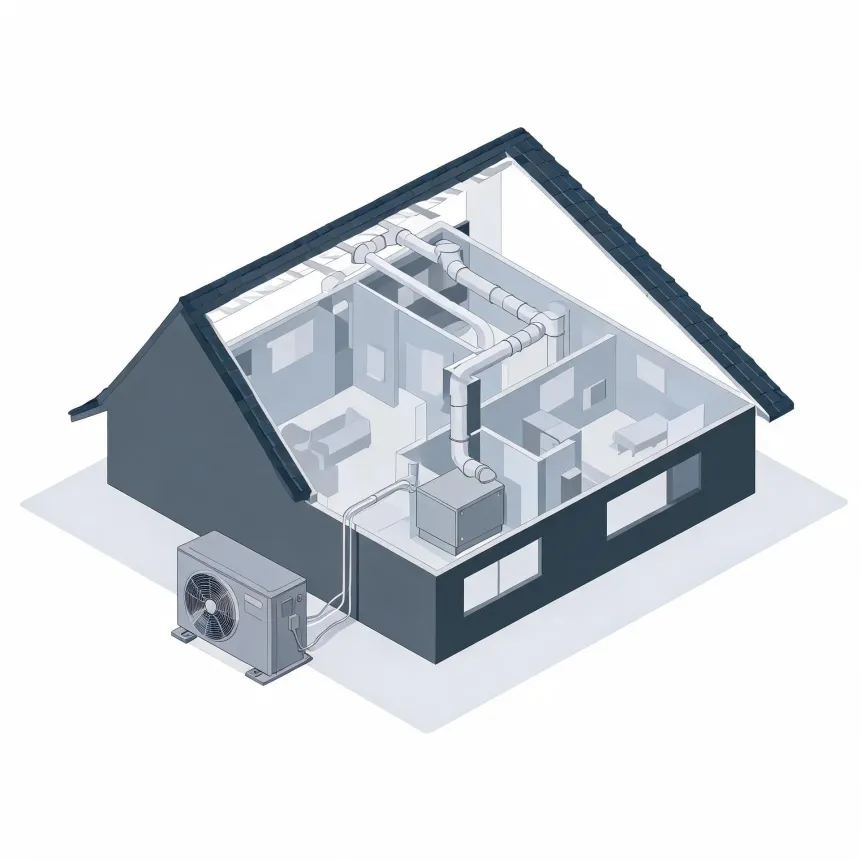
NOAA nClimDiv, 1991–2020 normals
Mississippi requires HVAC contractors to hold a state license.
The license is tied to the contractor, not to this particular job. The state tested and recorded the business before letting it take work like this, and that record covers whatever jobs the contractor takes on, not each one separately.
For a heat pump installation, that license is what stands behind the work in Hancock County. Alongside it, most cities and counties require a permit from the local building office before the installation starts, with an inspection once it's done. That inspection is a separate check on the finished work, not part of what the license itself covers.
Source: Mississippi State Board of Contractors
- Is a heat pump better than a furnace?
- A heat pump can do something a furnace can't. It cools your home in summer and heats it in winter, all from one system. A furnace only heats. Winters here are mild, with nighttime lows averaging 43°F, so a heat pump doesn't have to work as hard as it would somewhere with harder freezes. Most homes here already heat with electricity, so a heat pump fits into what the house is already set up to run on. Whether it's the right call for your house still depends on your ductwork and how your home is built, and a contractor needs to look at that in person.
- What's the difference between a heat pump and an air conditioner?
- An air conditioner only moves heat out of your home. A heat pump does that too, but it can also run in reverse and move heat into your home. That's how it heats in winter without a furnace. Inside the house the two look almost the same and use a similar outdoor unit. The difference is a valve inside the heat pump that lets it switch directions. New split-system heat pumps sold today have to meet a federal minimum of 14.3 SEER2 for cooling, the same kind of rating used for air conditioners, and 7.5 HSPF2 for heating.
- Does a heat pump work in cold weather?
- Yes, and in Bay St. Louis it doesn't have to work as hard as it would farther north. Winter nights here average 43°F. That's well within the range where a heat pump runs efficiently without help from backup heat. Heat pumps do lose some heating capacity as the outdoor temperature drops, which is why they struggle in places with hard, sustained freezes. That's not the climate here, where homes only need heat from November through March.