AC Maintenance in Bay St. Louis, MS
Air conditioners here run from April through October, so March is the time for a tune-up. Tell us about your system, and a licensed contractor who covers Hancock County will get in touch.
Tell us about the job
It takes about a minute.

Seven months of Gulf Coast heat, seven months of work
Your air conditioner runs from April through October here, seven months a year, with summer afternoons averaging 90°F. That is most of the year spent cycling on and off to hold the house at temperature, and the parts that make it run wear with every hour of use.
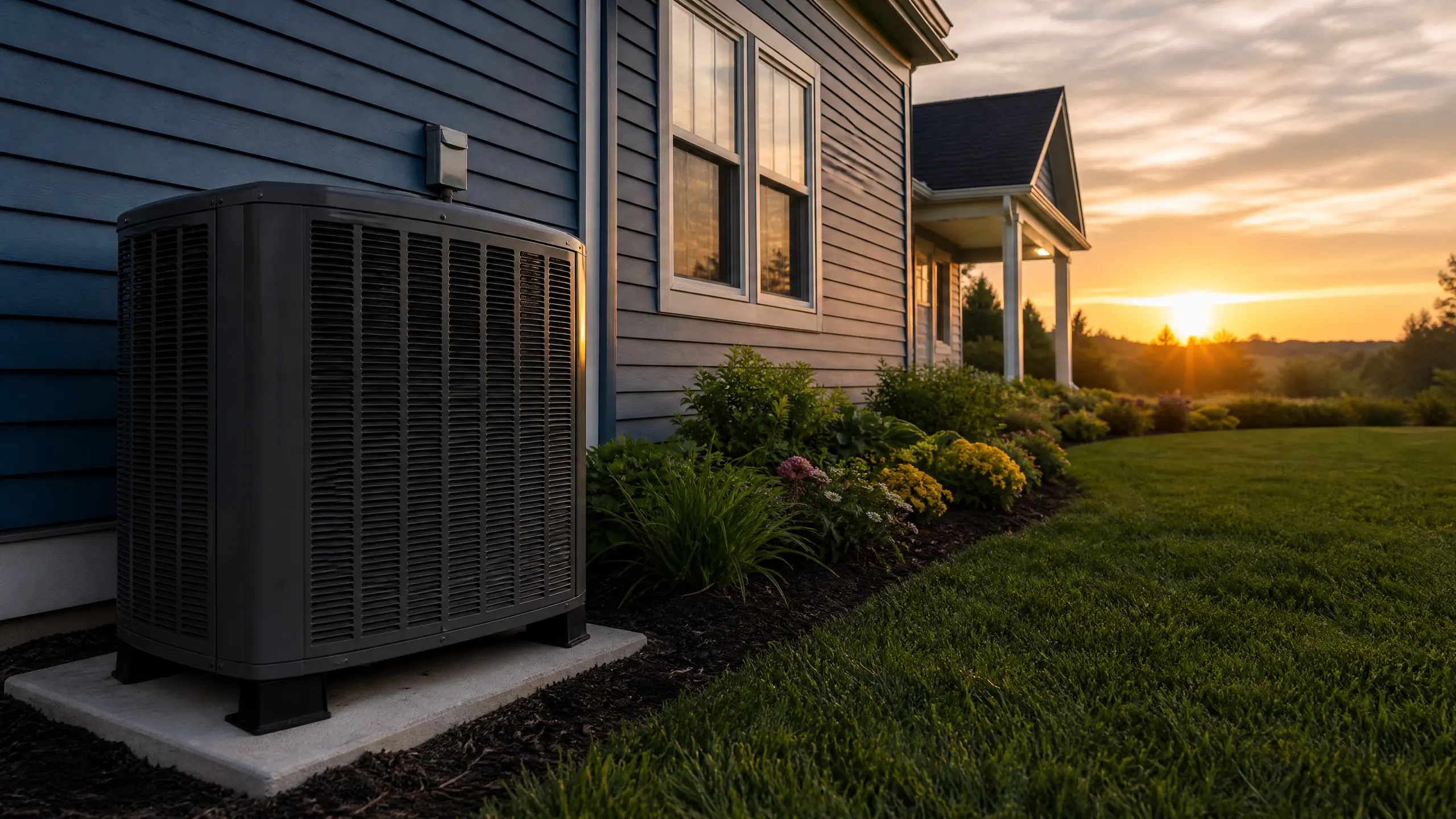
A tune-up catches what that heat load does before it turns into a breakdown. A technician checks refrigerant charge, tests the capacitor, and looks at the condenser coil, since a coil caked with grime makes the whole system work harder to move the same heat outside. Hancock County has also seen 20 damaging wind events and 8 hail events over the last ten years, including one storm that dropped hail 1.5 inches across, so a check of the outdoor unit's cabinet and fins is worth doing after weather like that, not just before the season starts.
- 7 months
- April through October, your air conditioner is on duty
- 90°F
- the average summer afternoon it cools against
- 8 hail events
- in ten years, and hail bends the fins on outdoor coils
- 20 wind events
- in ten years, and wind drives debris into outdoor units
NOAA nClimDiv, 1991–2020 normals

Book your AC tune-up in March, before homes here start needing cooling in April.
- Jan
- Feb
- Mar
- Apr
- May
- Jun
- Jul
- Aug
- Sep
- Oct
- Nov
- Dec
A tune-up checks the refrigerant charge, cleans the coils, tests the capacitor and tightens the electrical connections.
Mississippi requires HVAC contractors to hold a state license.
The Mississippi State Board of Contractors licenses the contractor, not the individual job. That means the state tested this contractor's qualifications and keeps a record of them before they were allowed to take on HVAC work, but the license itself does not follow your air conditioner around. It sits with the business.
For maintenance work, the part that matters most is what happens if the technician opens up the refrigerant side of your system to check charge or pressure. Anyone doing that, in Mississippi or any other state, has to hold EPA Section 608 certification. That's a federal requirement, separate from the state license, and it exists because refrigerant work is where a careless job turns into a real problem.
Source: Mississippi State Board of Contractors
- What does AC maintenance include?
- A contractor checks the refrigerant charge, cleans the outdoor coil, and inspects the electrical connections and capacitor. They also check the blower motor, change or check the filter, and make sure the condensate drain isn't clogged. Anyone opening the refrigerant side has to hold EPA Section 608 certification, since that's federal law everywhere. On a system that runs from April through October here, the coil is what tends to need the most attention, since it collects dirt and pollen while it's running most of the year.
- How often does an air conditioner need maintenance?
- Once a year, ideally before the season it works hardest starts. Homes here need cooling seven months a year, April through October, so spring is the right time to have it looked at before the 90°F afternoons arrive. A yearly check catches a weak capacitor or a low refrigerant charge before it causes a breakdown once the heat sets in.
- Is AC maintenance worth it?
- Yes. A system that runs seven months a year here works harder than one that only cools for a few weeks, and regular maintenance is how a contractor catches a failing part before it takes the whole system down on a 90°F afternoon. It also matters after storms. This area has seen 20 damaging wind events and 8 hail events over the past ten years, including a hailstone as large as 1.5 inches, so having someone check the outdoor unit after a bad storm is worth doing even outside the regular yearly visit.