





Birds nesting in a dryer vent in Pascagoula, MS

Send the form and finding a dryer vent cleaner is handled.

Let a pro reach out

Why do birds keep nesting in my dryer vent?

Birds get into a dryer vent because the flap that is supposed to keep them out has stopped doing its job. You open the back of the dryer vent and find grass, twigs, and feathers packed in where warm air is supposed to flow freely. It usually starts in spring, when birds here are looking for a sheltered spot to build, and a dryer vent close to the ground or under an eave looks like a ready-made cavity.

The flap on the vent hood isn't closing, so birds get in

A dryer vent hood has a flap, or sometimes a set of louvers, that's supposed to open when the dryer runs and fall shut when it stops. If that flap is bent, rusted, or missing, there's an opening into a warm, dry, sheltered space, which is exactly what a bird looks for when it's building a nest. Once one bird builds there, the vent stays blocked even after the nest is abandoned, because the old nesting material doesn't clear out on its own. With summers here running long and muggy, that buildup traps moisture in the vent along with the lint, and a blocked vent also means your dryer takes longer to dry a load and runs hotter than it should.

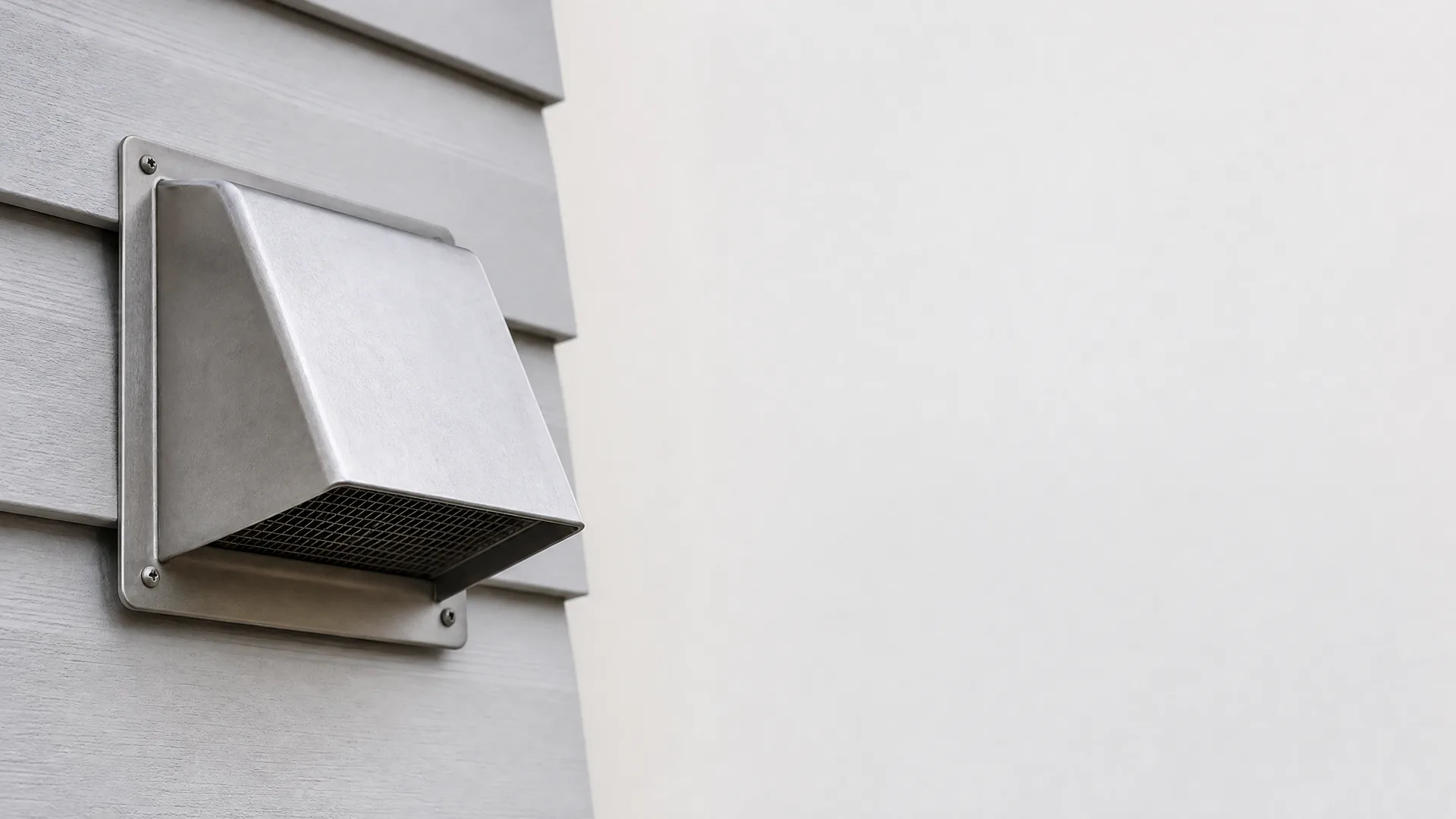
A metal hooded exterior vent with a screened opening mounted on gray horizontal lap siding, with a plain white wall at right.

Why the flap stops working

The flap on a dryer vent hood is light enough for warm air to push open from inside. Outside, wind, rust, or a bent hinge can hold it shut just enough that it never seats flat again, or wear it loose enough that it sits open. Either way, a gap stays where a bird can land and push through. A flap that swings freely and closes flat is doing its job. One that hangs crooked or stays propped open is not.

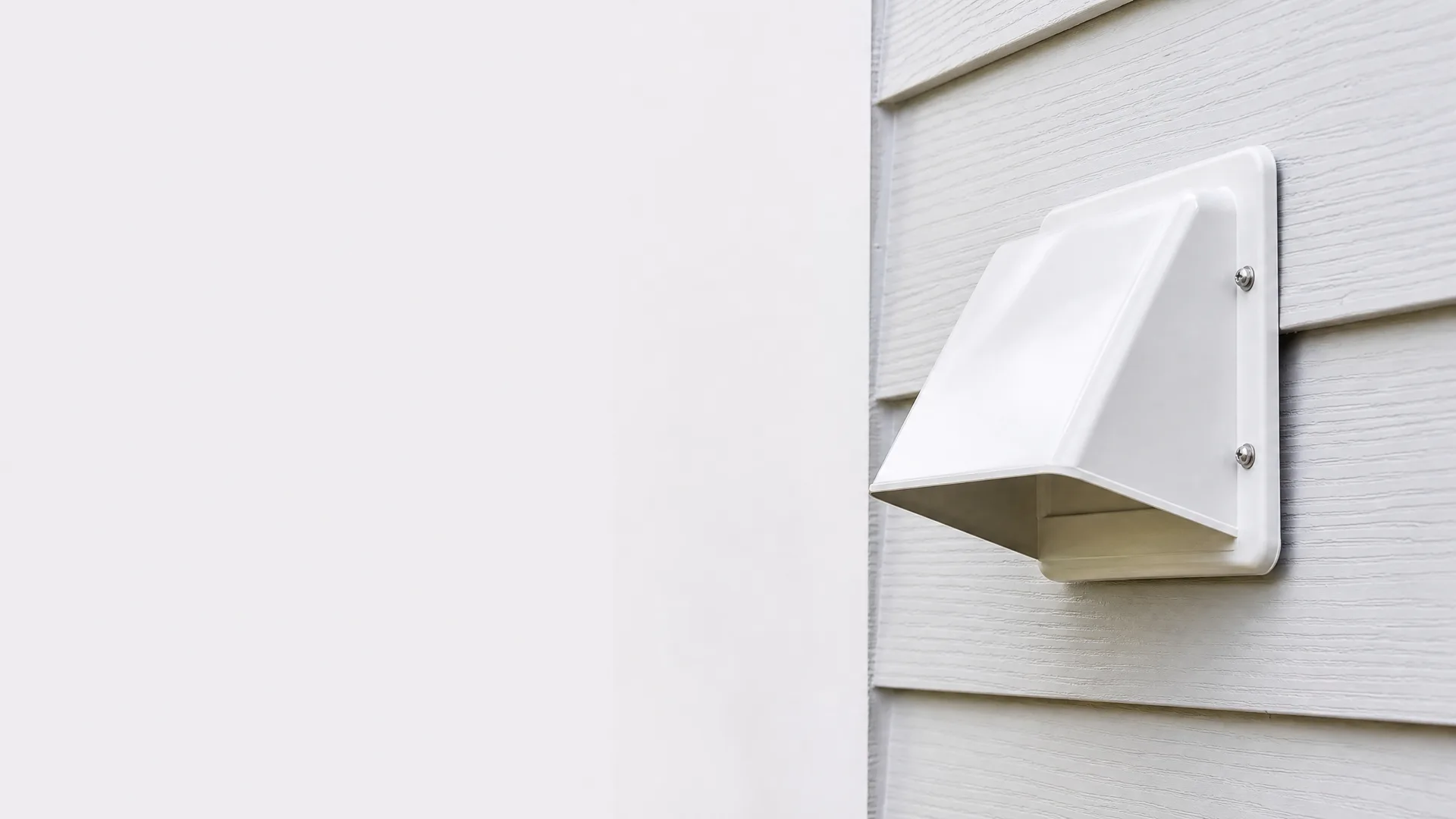
A white plastic hooded dryer vent cover screwed to light gray horizontal lap siding at an exterior wall corner.

What a blocked vent means for the dryer

Dryer exhaust has to travel out through that hood every time the dryer runs. Nesting material packed into the vent gives the air nowhere to go, so it backs up into the duct and the dryer itself. Clothes take longer to dry, the dryer runs hotter than it should, and lint has less room to clear out on its own. In Pascagoula's humidity, a blocked vent also leaves damp air with nowhere to escape.

Why does this keep happening at your house and not just once

  • 2.5 people per household on average

    With 2.50 people in the average Jackson County household, that dryer runs most days of the week, and every cycle is another chance for a stuck flap to stay open for a bird to find.

  • Half the homes here were built by 1984

    Half the homes in Jackson County were built in 1984 or earlier, so the hood and flap on a lot of vents have had decades to rust, bend, or just wear out.

  • Power here costs 14.15 cents per kilowatt-hour

    At 14.15 cents per kilowatt-hour, power here runs about average, so a vent packed with nesting material mostly costs you in dryer wear and dry time, not a spike on the bill.

ACS 2020-2024 · EIA-861 2025

Leave the nest where it is

A bird nest in a dryer vent is a fire risk the moment it is packed with dry grass and feathers sitting a few inches from a heat source. Pulling it out yourself means reaching into the vent hood or taking the duct apart, and if there are eggs or chicks inside, state and federal law protects most native birds and their active nests. You cannot legally clear it until the nest is no longer in use. Running the dryer in the meantime pushes heat and lint straight at the nest. The safer move is to stop using the dryer and get the vent inspected before any of it comes out.

Have the vent cleaned and fixed

Once the nest is clear, the vent still needs a real cleaning, not just a pull of the visible material. Lint and nesting debris pack into the duct runs where you cannot see or reach, and that buildup is what turns a slow-drying load into a fire hazard. A full cleaning clears the duct from the dryer to the outside hood. That is also the point to deal with the flap itself, replacing it or fixing the hinge so the next bird looking for a warm, sheltered spot in a Jackson County yard finds the vent closed to them instead of open.

A man in a gray knit sweater stands smiling and looking off to the side beside a white marble kitchen island, with a dining table, pendant light, and open shelving in the background.
A smiling man with short dark hair and stubble in a gray sweater sits at a stone-topped counter with a white ceramic mug, in a room with a framed picture, a plant, and shelves holding bowls.
A smiling man in a dark navy sweater sits at a wooden kitchen counter with a light ceramic mug, with white tile backsplash, open shelving and a window with potted plants behind him.
A smiling man with dark hair and a beard, wearing a dark green knit sweater, stands at a kitchen counter with a ceramic mug, with an open living room, sofa, armchair and large windows behind him.

Stop chasing a dryer vent pro

The pro who gets in touch is licensed in Mississippi and works in Jackson County.

There's no charge for the request.

What it does to your dryer

A nest packed into the vent blocks the path hot, wet air needs to get outside. Your dryer starts taking two or three cycles to do what one used to do. The motor and the heating element run longer than they were built to, cycle after cycle. Lint that would normally blow out the hood now has twigs and grass to catch on, so it builds up faster along the duct walls. Clothes come out hotter to the touch than they should, and some loads come out still damp at the end of a full cycle.


What it means for your house

The vent is there to carry heat and moisture outside, and a blocked one has nowhere else to send it but back toward the duct and the wall it runs through. Add dry nesting material a few inches from the heating element and you have fuel sitting next to a heat source every time you run a load. A bird can also die in there if it gets in past a stuck flap and can't get back out, and that blocks the vent just as surely as a nest does.

2.5 people per household on average

At 2.50 people, most Jackson County households are running a load most days, not once a week. Every one of those cycles pushes warm air against that flap, and a flap that only half closes gets the same test day after day until a bird finds the gap.

ACS 2020-2024

A white plastic louvered dryer vent hood mounted on beige horizontal lap siding above a concrete foundation wall bordered by gravel.

Vent clear and sealed

The flap sits flush against the hood, closed until the dryer pushes it open. Air moves straight out with each cycle. Nothing outside has a reason to treat it as shelter, and nothing inside slows the dryer down.

A dusty white plastic dryer vent hood with lint-clogged louvers mounted on beige horizontal vinyl siding above a concrete foundation wall and a bed of rounded gray rocks.

Vent packed with a nest

Grass and feathers pack the hood until the flap cannot close. Lint builds up around the opening cycle after cycle. Air that should push straight out has to fight its way past the blockage, and heat backs up into the duct behind it.

A lint-clogged hooded dryer vent mounted on light gray horizontal lap siding above a concrete foundation wall.
Before you get your dryer vent cleaning
A white hooded dryer vent with a square screwed-on flange mounted on gray horizontal lap siding, above a concrete foundation wall edged with gravel stones.
After you get your dryer vent cleaning

How a proper cleaning actually works

  • A nest pulled loose by hand or a vacuum can still leave a plug of matted grass stuck deep in the duct run.
  • A proper cleaning runs a brush the full length of the duct, from the hood outside to the dryer's exhaust port inside.
  • A rotary brush spins as it travels so it scrapes lint and nest material off the duct walls instead of just pushing it along.
  • After the duct is clear, a new hood with a working flap or a screen guard goes on so the same bird can't get back in.
  • A shop vacuum pulls everything the brush knocks loose out through the exterior hood instead of leaving it to settle further down the line.
  • Checking the flap's swing by hand before closing up the job catches a hinge that's still stiff or sitting crooked.

Pulling the nest out by hand looks like the job is done, but grass and feathers packed against the duct wall leave a layer behind that a hand or a vacuum wand can't reach. The duct run from the dryer's exhaust port out to the hood outside has to be cleared its full length, not just at the opening where the nest was easy to see. A rotary brush does that work. It spins as it's fed through the duct, scraping lint and matted nest material off the walls rather than shoving it further down the line toward the hood, which is what happens when someone just pokes a stick or a leaf blower in from one end. A shop vacuum runs alongside it, pulling what the brush knocks loose back out through the exterior hood so none of it settles in a low spot in the duct. Once the run is clear, the hood itself gets replaced if the flap's hinge is bent or rusted, or a screen guard goes on over it, so the duct is sealed against anything else looking for a dry, warm place to build. Before the job is called finished, the flap gets checked by hand for how it swings. A flap that sticks or hangs crooked will drift back open with the first good gust, and the same bird, or another one, will find it again.

A smiling man with short dark curly hair and stubble, wearing a navy T-shirt, sits on a beige sofa looking down toward a dark object in the foreground, with a living room, round mirror, lamp and bright window behind him.
A man with graying hair and a beard in a plaid flannel shirt stands indoors looking out a frosted window at snow-covered trees, with a ceramic mug on the sill.

A bird in the vent means the flap stopped closing, and clearing the nest out doesn't fix that part. Someone has to check the hinge, clear the hood, and run a brush the full length of the duct so nothing is left for the next bird to build on. A local contractor who works on dryer vents all year in Jackson County has seen this exact problem in houses near yours and knows where a flap usually fails and what a packed duct looks like before it becomes a fire risk. You'll be matched with one contractor, not several, so there's no juggling calls or comparing strangers, just someone local getting to the actual cause. Once that flap seats right again and the duct runs clear, your dryer goes back to one cycle instead of two or three, and the vent stops looking like shelter to anything outside.

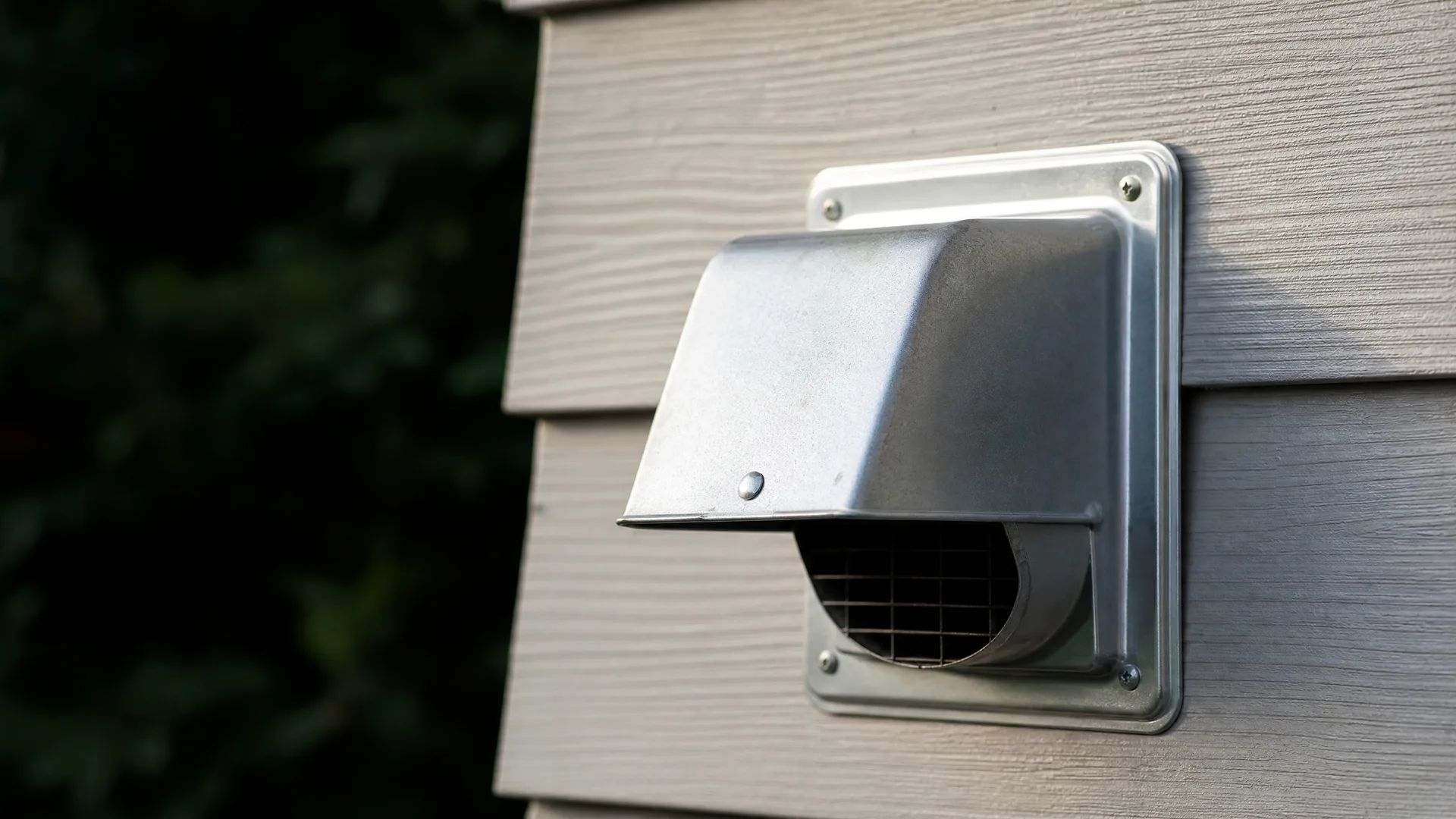
A metal hooded dryer vent with a screened opening screwed to gray lap siding, with dark blurred foliage in the background.

Send one request and you're done looking

Duct and vent cleaningJackson County, MS
Step 1 of 3

What kind of equipment?