Is a clogged dryer vent a fire risk in Pascagoula, MS

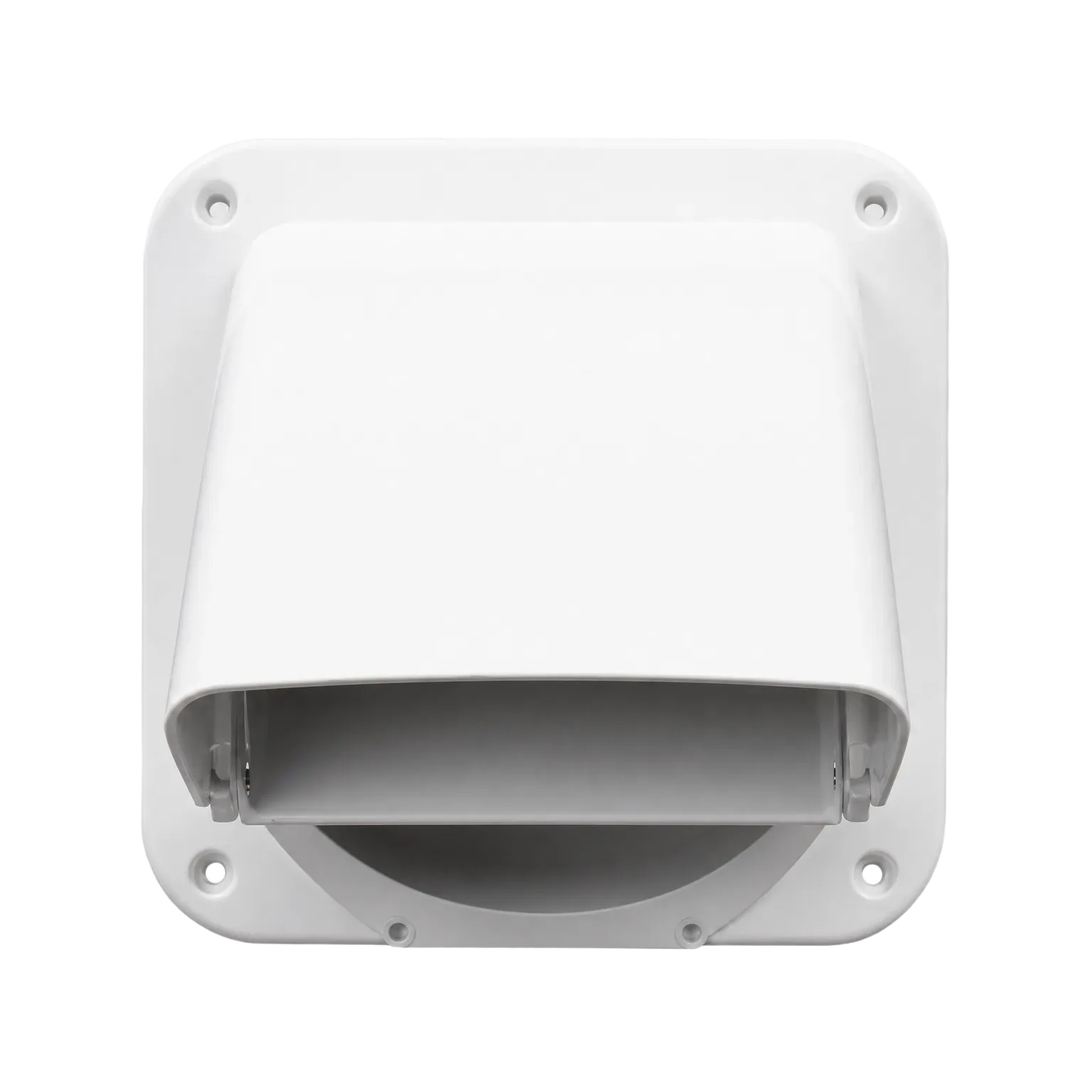
A white plastic wall vent with a square mounting flange, hooded cover, and round duct collar visible beneath, shown against a plain light gray background.
Find a pro near me

Is a clogged dryer vent a fire risk in Pascagoula?

You've noticed the dryer taking longer to finish a load, or the top of it feeling warmer than usual, and you want to know if that's just an inconvenience or something worse. You're not the type to let a small problem sit until it becomes a big one, so you're asking before it gets bad rather than after. It's a fair question, and it deserves a straight answer, not a scare tactic.

Yes, a clogged dryer vent is a real fire risk

Lint is the fuel. It builds up inside the vent and around the drum, and every load adds more. When airflow is blocked, the dryer runs hotter than it's supposed to because the heat has nowhere to go. That heat against a thick layer of lint is what starts these fires. Summers in Jackson County are muggy and long, so the dryer often runs more to get clothes fully dry, which means more lint moving through the vent over the course of a year. A vent that's clogged also makes the dryer work harder for the same result, and a dryer working harder runs hotter for longer stretches of time.

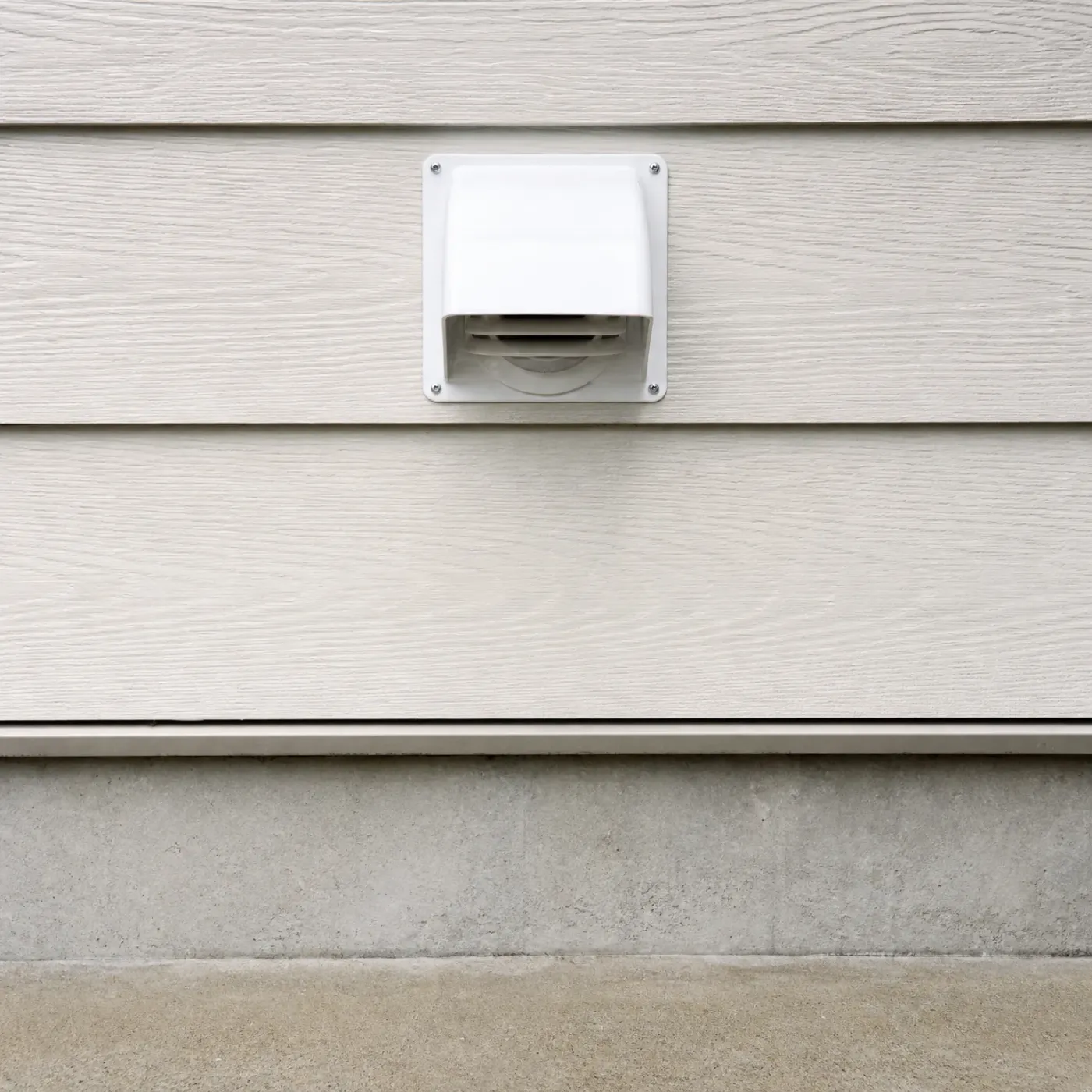
A white hooded dryer vent with a louvered flap mounted on beige horizontal lap siding above a concrete foundation wall.

A clear vent

Air moves straight out through the louvered flaps with every load. The cap stays clean because lint is riding out with the exhaust instead of settling behind it. A dryer working like this finishes a load in one cycle and doesn't run hot.
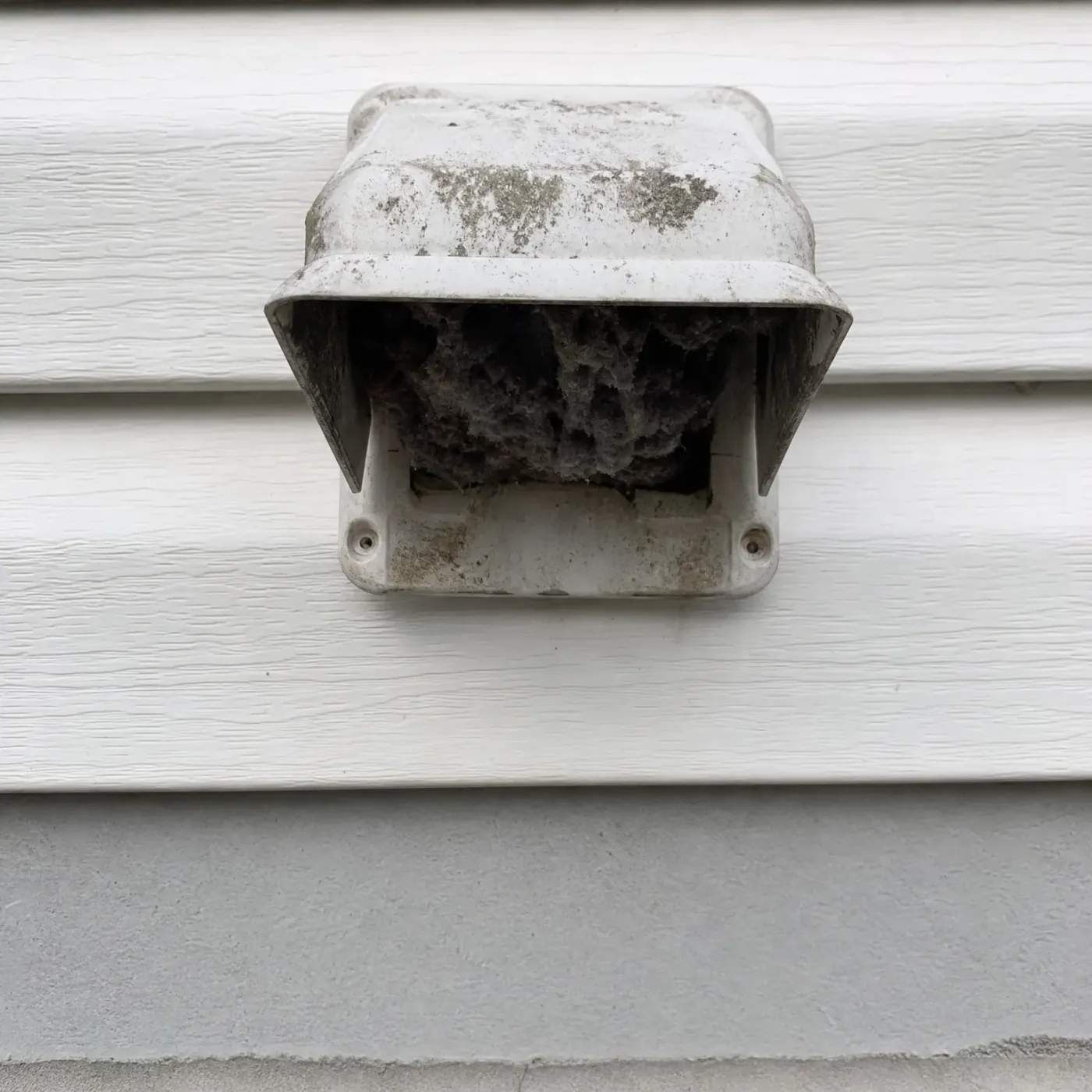

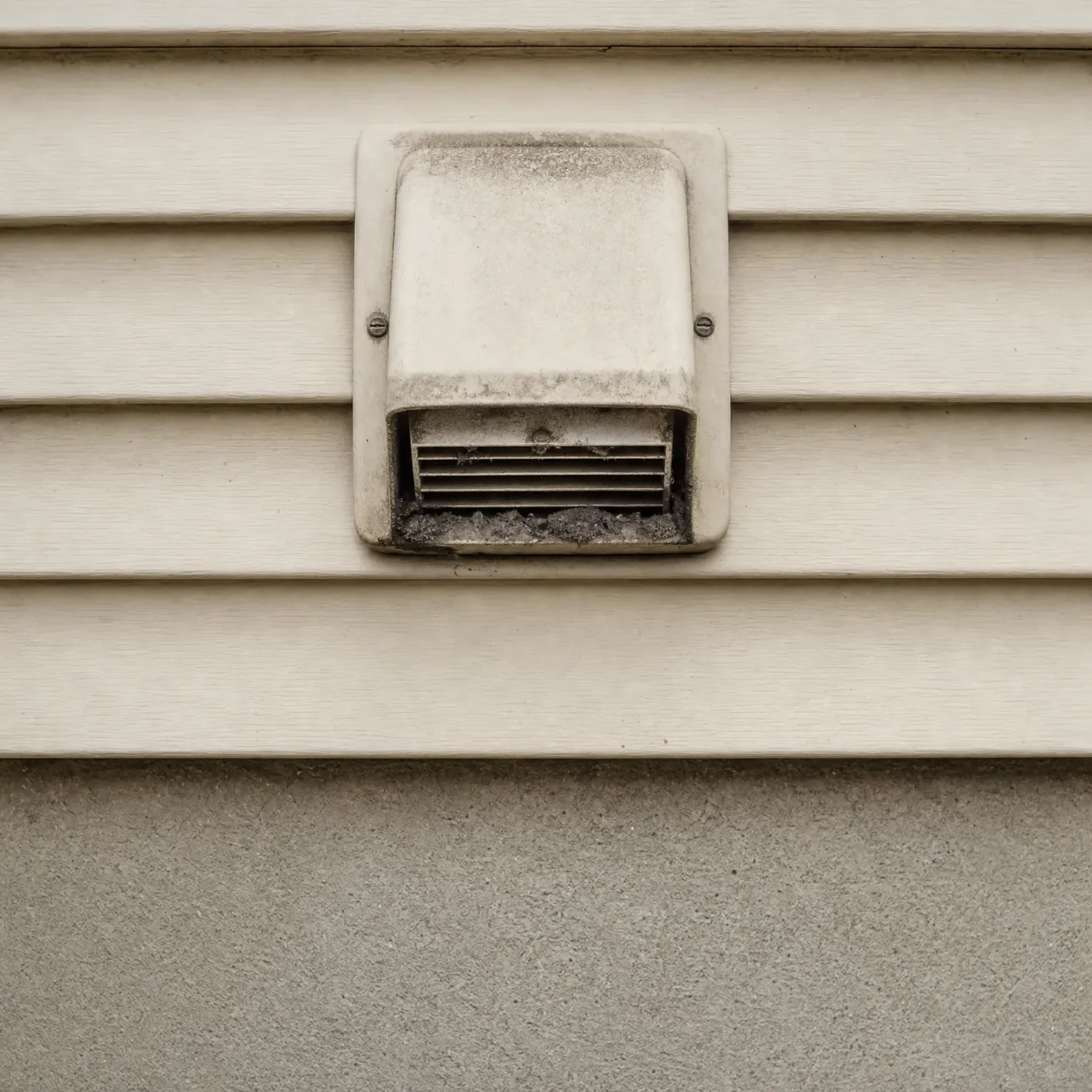
A white plastic dryer vent hood on horizontal lap siding, clogged with thick gray lint and dirt, above a lighter concrete foundation wall.

A clogged vent

Lint has packed in solid behind the cap, and what little air gets out barely moves the flaps. That trapped lint is fuel sitting next to a heat source. The grime on the cap outside is a sign of how little is passing through.

Why does lint buildup catch up with some Jackson County homes faster?

  • 2.5 people per household on average

    With 2.5 people in the average household here, most homes run the dryer daily, and every load adds more lint to a vent that isn't cleared.

  • Half the homes here were built by 1984

    Half the homes in Jackson County were built in 1984 or earlier, and a vent run that old has had decades to collect lint behind the wall.

  • Power here costs 14.15 cents per kilowatt-hour

    At 14.15 cents per kilowatt-hour, a vent working harder to push air through a lint-choked line shows up on the power bill before anyone checks the duct.

ACS 2020-2024 · EIA-861 2025

Why heat is the trigger

Lint is paper-thin and ignites easily once it gets hot enough. A dryer forcing air through a vent that's partly blocked runs hotter than it should, because the heat it normally pushes outside has nowhere to go. That heat builds up around the drum and the duct itself instead of leaving the house. Add a stray spark from the heating element or a worn belt rubbing metal, and the lint packed in that vent is exactly what catches. It isn't the dryer malfunctioning that starts most of these fires. It's a clean, working dryer with no clear path for the air it's pushing out.

What a working vent looks like

Clear it long enough. A properly vented dryer pushes humid air outside fast enough that a load of towels finishes in one cycle, not two or three. The outside cap's flaps open wide and shut again between loads, visible from across the yard. Inside, the duct run stays cool to the touch along its whole length, not just near the dryer. None of this requires guessing. Anyone can walk outside while the dryer runs and watch whether the cap is doing its job, or press a hand against the duct and feel whether heat is collecting somewhere it shouldn't.

A woman in a cream turtleneck sweater stands beside a large window with snow outside, looking to the side, in a dimly lit living room with a sofa, lamps, candles and framed artwork.
A woman in a light gray cable-knit turtleneck sweater stands by a window looking outside at snow, with a living room behind her containing a stone fireplace, lit lamp, framed pictures, and a sofa with a plaid throw.
A woman in a dark gray turtleneck sweater stands by a window with snow visible outside, in a dimly lit living room with a gray sofa, lamp, framed painting, and dark-framed glass door.
A woman in a cream turtleneck sweater stands by a window looking out at falling snow and snow-covered trees, with a dimly lit living room containing a sofa, lamp and fireplace behind her.
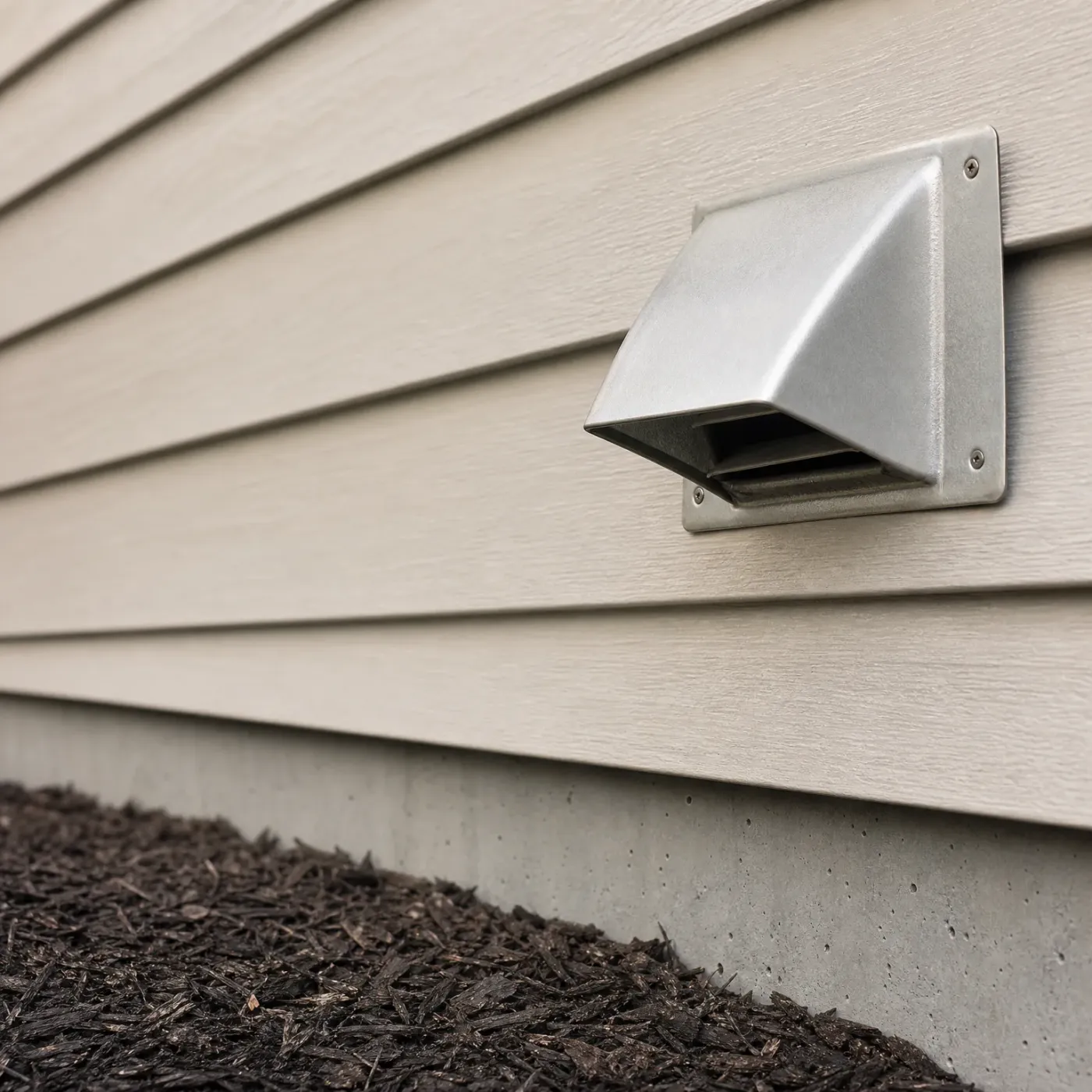
A metal hooded exterior dryer vent with louvered opening mounted on beige lap siding above a concrete foundation bordered by dark mulch.

Get matched with a dryer vent pro in Jackson County

After you send the request, you're done searching.

Get matched with a pro who works on dryer vents in Jackson County.

Hand off the search

Asking costs nothing, and the choice to hire stays yours.

Is your dryer trying to tell you something

A load that used to take forty minutes now takes over an hour, maybe two. You open the door after a cycle and the clothes are still damp in spots. The laundry room holds onto heat long after the dryer shuts off, and you can smell a faint hot dust smell, especially a few minutes into a load. The outside cap barely moves when the dryer is running, where it used to flutter with every cycle. None of this means your house is in danger tonight, but it means lint is sitting somewhere between the drum and the outside wall, and every load adds more. Left alone, that's what turns a dryer vent from a chore into the thing that starts a house fire.

  1. Lint collects along the inside of the duct with every load

  2. Airflow slows as the duct opening narrows with trapped lint

  3. The dryer runs hotter to push air through the blockage

  4. Heat has nowhere to vent and builds up inside the duct

A bearded man in a plaid flannel shirt looks out a window at snow-covered conifer trees, with a steaming ceramic mug on the sill and wooden shelves holding dishes and a plant behind him.
A bearded man in a dark t-shirt sits on a light sofa, smiling and looking down toward a laptop screen visible at the bottom edge of the frame, with a blurred living space behind him.

A vent cleared on schedule

You pay for a visit before anything's wrong, and in exchange you never find out what a dryer fire smells like.

2.5 people per household on average

At 2.5 people, most houses here run the dryer close to every day of the week, not once or twice. That steady pace of loads lets lint build up behind the vent faster than a lighter laundry routine would, which is why a once-a-year check matters even if nothing seems wrong yet.

ACS 2020-2024

A dusty plastic louvered dryer vent hood screwed into beige horizontal vinyl siding above a gray stucco foundation wall, with lint buildup around the slats.
Before you get your dryer vent cleaning
A white hooded dryer vent with a square mounting plate fastened to beige horizontal lap siding above a concrete foundation wall.
After you get your dryer vent cleaning

Leave the vent alone or clear it

Skip the cleaning

  • Lint keeps collecting behind the louvered flaps with every load, and nothing interrupts that buildup.
  • The dryer has to run longer to dry the same load, so it's drawing power and running hot for more of the day.
  • A partly blocked vent traps heat that would normally push outside, and that heat has nowhere to go.
  • You find out there's a problem when the dryer stops finishing loads, or worse, when something catches.
  • Lint hidden inside the duct isn't something you can check by looking at the outside cap.
  • The longer it goes, the more packed the duct gets, and the hotter the dryer runs to compensate.

Get it cleaned

  • A contractor clears the duct from the dryer to the outside cap, not just what's visible from either end.
  • Airflow goes back to pushing straight out through the louvered flaps the way it did when the vent was new.
  • The dryer stops working as hard, since it's no longer forcing air through a narrowed opening.
  • Loads go back to finishing in one cycle instead of running long or leaving damp spots.
  • Once the lint is out, the laundry room stops holding onto heat after the cycle ends.
  • You know where things stand instead of guessing from how the dryer's been acting.
A metal hooded dryer vent with a louvered opening mounted on gray horizontal lap siding, next to a plain off-white wall.

What a bird's nest does to a vent

Hoods on the outside wall draw birds and wasps looking for a dry place to settle, and Jackson County's mild winters mean they don't die back the way they might further north. A nest packed into the duct blocks exhaust almost completely. The dryer keeps running anyway, pushing hot air against a wall of twigs and lint with no place to go.

A stainless steel hooded dryer vent screwed to light gray horizontal lap siding, with a blank white wall occupying the left side of the frame.

What a cleared line gives back

A cleared vent lets a dryer finish a load in one cycle instead of two, because the air is moving the way it was built to move. Lint rides out through the cap instead of settling against the duct wall. The laundry room doesn't hold heat after the cycle ends. None of that is dramatic, it's just a dryer working the way it's supposed to.

A clogged dryer vent is a real fire risk, not a maybe. Lint is fuel, heat is the trigger, and a blocked vent gives you both at once. The signs are already there if you've been paying attention: longer dry times, a hot laundry room, a dryer that shuts off before the clothes are actually dry. In Jackson County, where most households run a load almost daily, that buildup happens faster than people expect, and a yearly cleaning is what keeps it from turning into something worse. You don't have to figure out who to call or when they can fit you in. Once you send the form, that part is off your plate, and a contractor who handles this work in your area takes it from there.

A metal hooded dryer vent with a louvered opening mounted on dark gray horizontal lap siding, with leafy shrub foliage in the lower left corner.

Find a dryer vent cleaning pro in Jackson County

Send the form and the dryer vent cleaning stops sitting on your list.

Duct and vent cleaningJackson County, MS
Step 1 of 3

What kind of equipment?