HVAC Installation in Oxford, MS
A new system here will heat from November through March and cool from May through September every year. Tell us about the house, and a licensed contractor who covers Lafayette County will get in touch.
Tell us about the job
It takes about a minute.

Ten months of the year, your system is working
Winter nights here average 34°F from December through February, and homes need heat running from November through March. Summer afternoons average 90°F, and homes need cooling from May through September. That is ten months a year with heat or cooling on, and only a short stretch in spring and fall when neither one has to run.
57.9% of homes here heat with electricity, so a heat pump or electric furnace is doing real work across those five winter months, not just on the coldest nights. Storms are part of the picture too. This area has seen 46 damaging wind events and 8 winter storms over the last ten years, and statewide, 30% of households went at least 24 hours without power in 2024. A new system installed here has to hold up to what a calm day asks of it and what a storm does too.
- 5 months
- November through March, your system heats
- 5 months
- May through September, it cools
- 34°F
- the average winter night it heats against
- 90°F
- the average summer afternoon it cools against
NOAA nClimDiv, 1991–2020 normals
Mississippi requires HVAC contractors to hold a state license.
The license is held by the contractor, not tied to this one job. Mississippi's Board of Contractors tests and records the person or company taking on the work, so the credential follows them from job to job rather than being issued fresh each time.
For an installation like this, the license tells you the contractor is on the state's books. It does not replace the permit and inspection that the local building office handles once the new system goes in. That inspection is what checks the work itself, in most cities and counties in this state.
Source: Mississippi State Board of Contractors
- When should I replace my HVAC system?
- Once repairs start happening every year, or the system can't hold the house warm on a cold winter night or comfortable through a 90 degree summer afternoon, it's time to start pricing a replacement instead of another fix. Age matters too. A furnace or air conditioner working hard through 10 months of heating and cooling a year wears faster than one that gets a break. If a contractor tells you the same part is failing again, or the repair costs keep climbing, that's usually the point where a new system makes more sense than another patch.
- Should I replace my furnace and air conditioner at the same time?
- If both are old, yes, it usually makes sense to do them together. A furnace and air conditioner installed at different times often don't match well, since the blower and coil are sized to work as a pair. Homes here need heat from November through March and cooling from May through September, so both sides of the system are working hard most of the year, and if one is near the end of its life the other usually is not far behind. That said, if one unit is new and the other has failed, a contractor can size a replacement to work with what's already there.
- What happens during an HVAC installation?
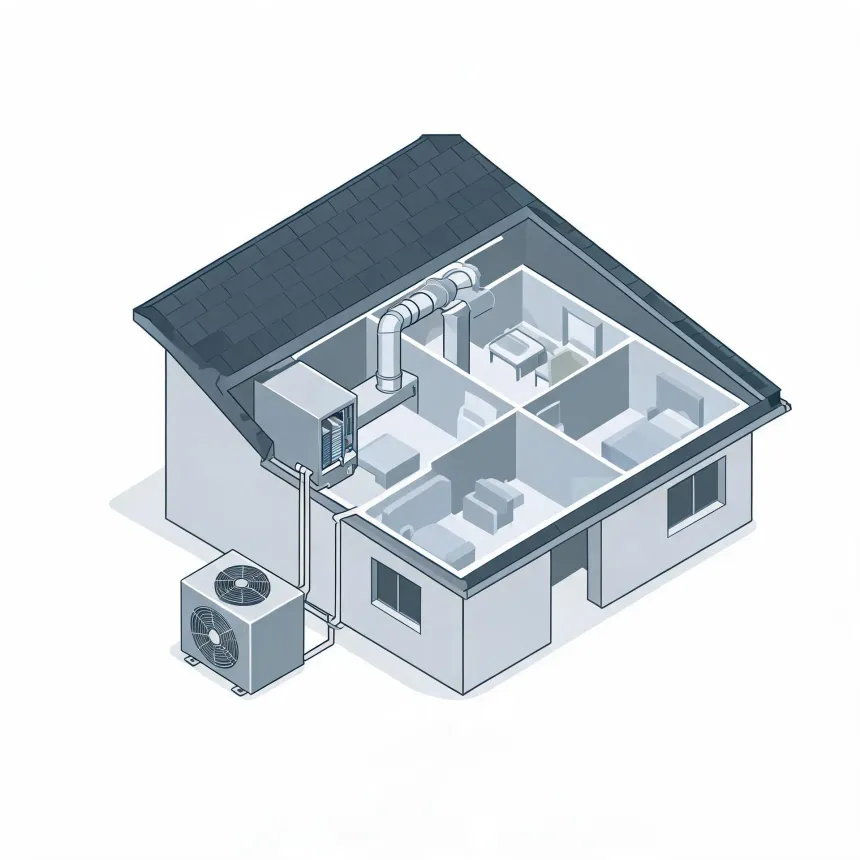
- A contractor removes the old furnace, air conditioner or heat pump and sets the new equipment in place. Then it gets connected to the ductwork, refrigerant lines, gas line or electrical circuit it needs to run. After that comes testing. The contractor checks refrigerant charge, airflow, gas pressure or electrical connections depending on what was installed, and confirms the thermostat controls everything correctly. In most cities and counties, this work needs a permit from the local building office, and an inspector checks the completed job before it's signed off.