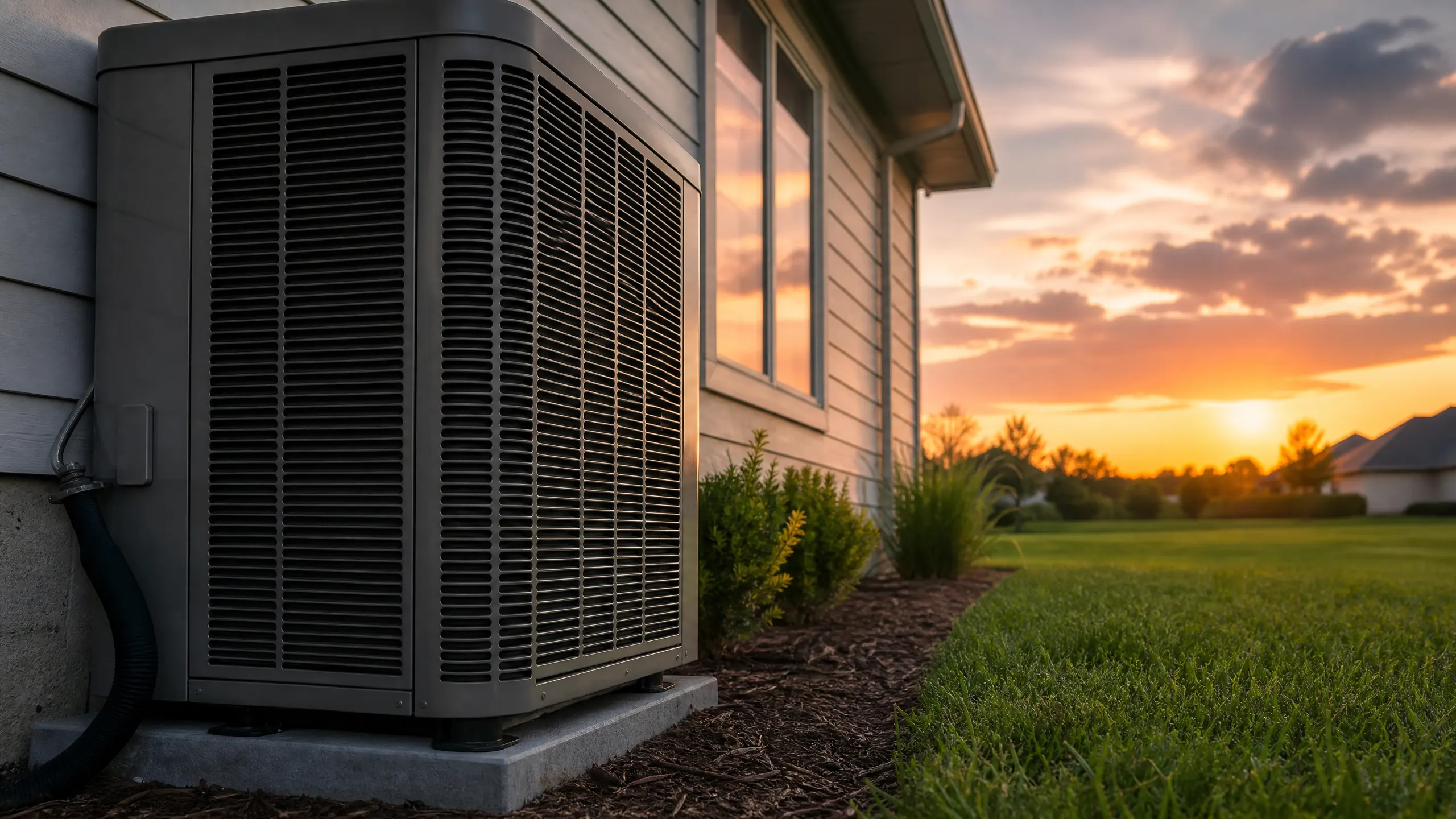
Heat Pump Repair in Laurel, MS
Homes here need heat from November through March and cooling from May through October. If your system quits, tell us what it's doing and a licensed contractor who covers Jones County will get in touch.
Tell us about the job
It takes about a minute.
Eleven months of work a year, in Laurel's heat and cold
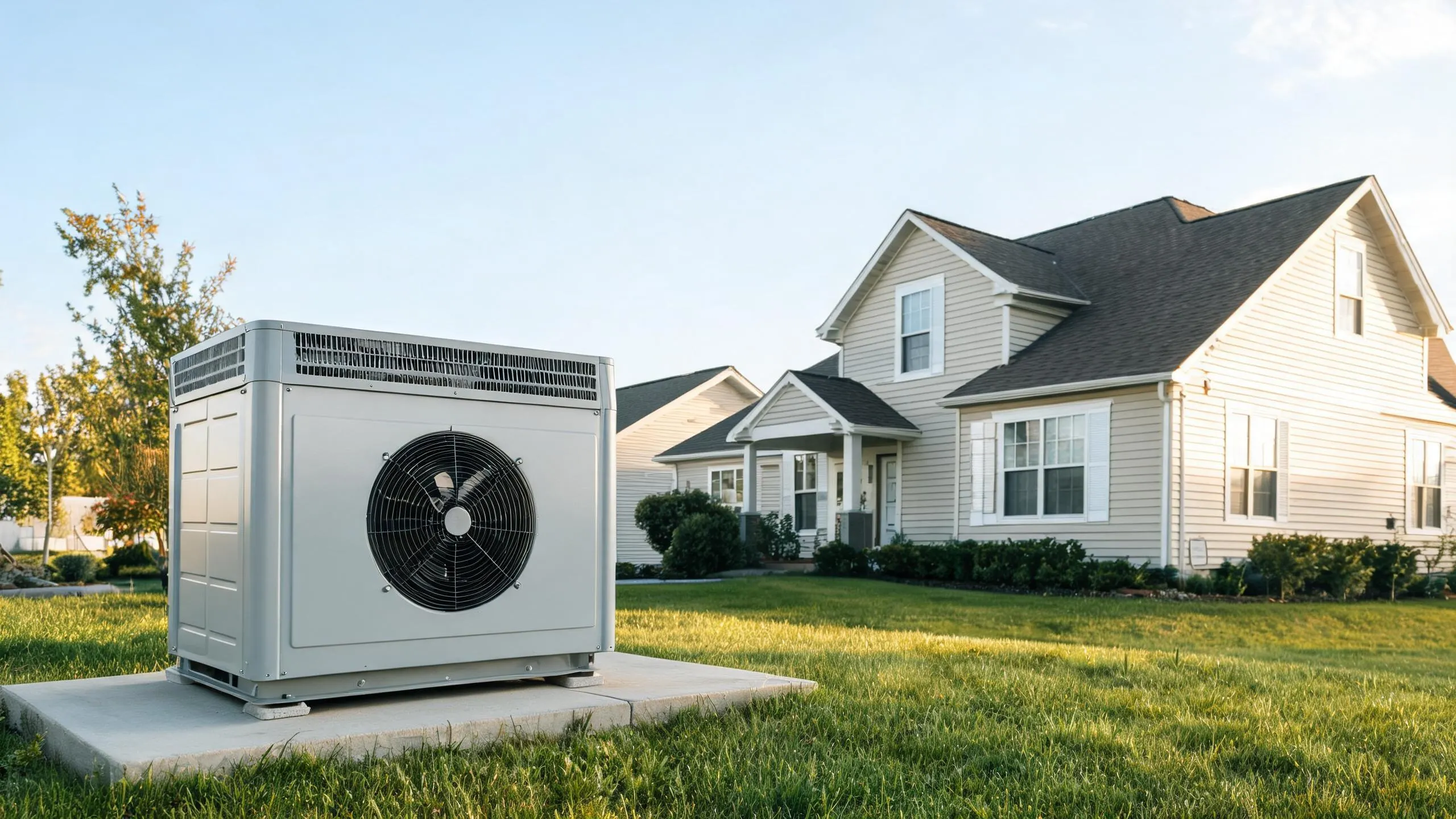
Your heat pump runs almost year round here. Heat from November through March, cooling from May through October, only one month off in between. That is eleven months of the compressor cycling on and off to keep up.
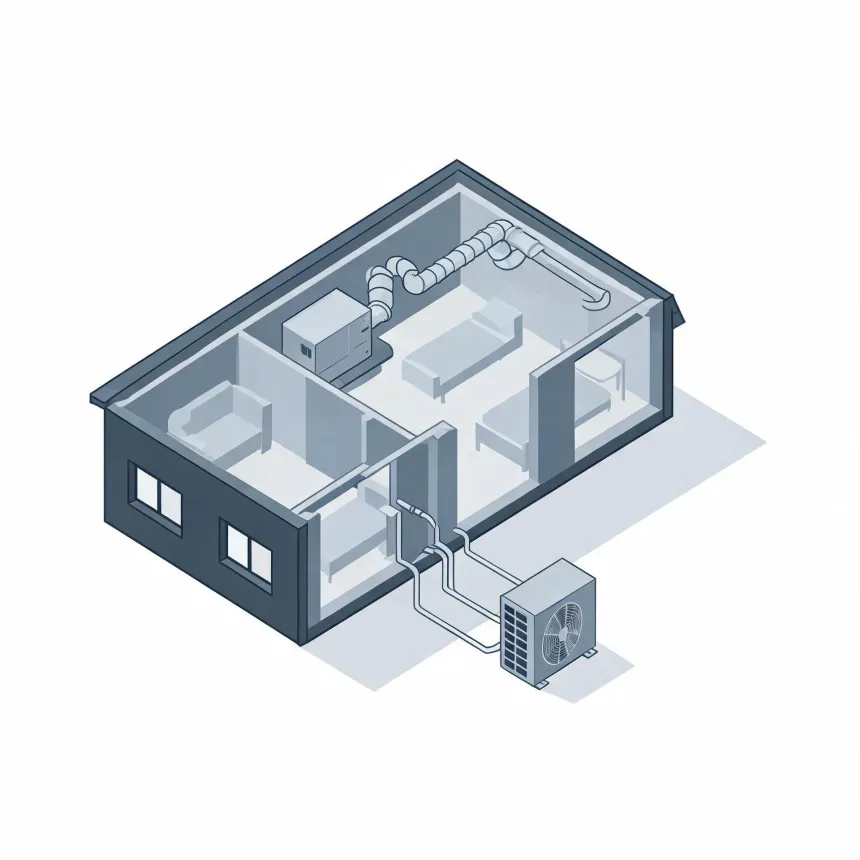
Summer afternoons averaging 91°F push the outdoor unit hard, and it has to shed that heat every day for six months straight. Winter nights averaging 39°F mean the system is switching into heating mode and running the reversing valve for months at a stretch. With that much runtime, the compressor and the reversing valve are usually the first parts to show wear. You will notice it as a system that runs but does not heat or cool like it used to, or one that gets stuck blowing air that is the wrong temperature for the season.
- 5 months
- November through March, your system heats
- 6 months
- May through October, it cools
- 39°F
- the average winter night it heats against
- 91°F
- the average summer afternoon it cools against
NOAA nClimDiv, 1991–2020 normals
Mississippi requires HVAC contractors to hold a state license.
Mississippi's State Board of Contractors is the one that tested this contractor and keeps their record. That license belongs to the contractor, not to any one job, so the same license covers a heat pump repair, an install, or any other HVAC work they take on.
Repairing a heat pump almost always means opening the refrigerant side of the system. That work needs something the state license does not cover. Federal law requires EPA Section 608 certification for any technician who handles refrigerant, in Mississippi and every other state. The state license tells you the contractor is on record with the Board. The federal certification is what says the person touching your refrigerant lines is qualified to do it.
Source: Mississippi State Board of Contractors
- Why is my heat pump blowing cold air?
- In heat mode, air from the vents feels cooler than your skin even when the system is working right, because it comes out well below body temperature. If the air feels truly cold with no warmth at all, the problem is usually the reversing valve stuck in cooling mode, a thermostat set to the wrong mode, or low refrigerant. On the coldest nights here, down near 39°F, a heat pump has to work harder to pull heat from outside air, so airflow that feels cool is more noticeable then. A contractor can check the reversing valve and refrigerant charge to find out which one it is.
- Why is there ice on my heat pump?
- Some frost on the outdoor unit in winter is normal. Your heat pump runs a defrost cycle on a timer, melting that frost off every so often and briefly blowing cool air inside while it does. Heavy ice that does not clear on its own points to a defrost control board that isn't cycling, a fan motor that has stopped turning, or low refrigerant. Winters here run November through March with lows averaging 39°F, so the unit is cycling through defrost often across those months. If the coil stays iced over for hours, have a contractor look at it before you run the system further.
- Why is my heat pump running but not cooling?
- The system running without cooling the house usually means air isn't getting through, refrigerant is low, or the compressor isn't doing its job. Start with the filter. A clogged one chokes airflow across the indoor coil and the house won't cool no matter how long the unit runs. If the filter is clean, check the outdoor unit for a coil packed with dirt or leaves, since it can't release heat if it can't breathe. On afternoons here that hit 91°F, a system already losing capacity from one of these problems falls further behind and may run nonstop without catching up. Low refrigerant needs a licensed contractor, since only someone with EPA Section 608 certification can legally open that side of the system.