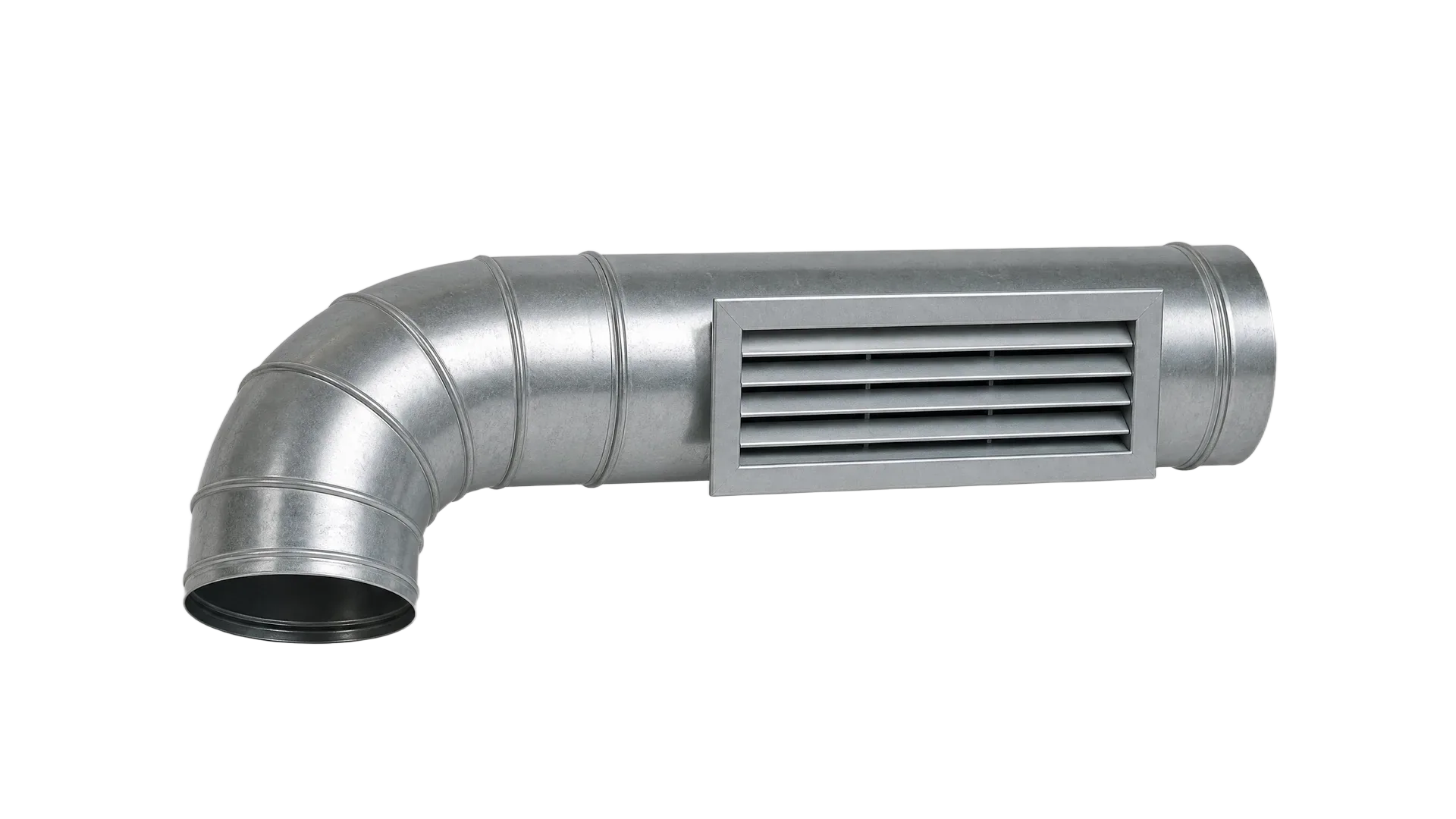
Mold in your air ducts usually shows up as a musty smell when the system kicks on, or dark spots around the vent covers themselves. Gulfport summers run long and muggy, and that moisture is what mold needs. Warm, damp air moves through the ductwork, and if there's any condensation sitting in there, mold has what it takes to grow on the dust that collects inside. Once it starts, the blower just pushes spores through the house every time the system runs, so the smell and the spots tend to spread to more rooms rather than stay put. It doesn't mean the ductwork is ruined. It means the inside of the system needs to be cleaned out before it keeps feeding on the humidity, and before anyone breathing that air deals with the irritation that mold spores cause.
Why does mold keep coming back in your ducts?
Half the homes here were built by 1994
Half the homes in Harrison County date to 1994 or earlier, and older duct runs and seams give moisture more places to collect.
Heat runs November through March
Cooling runs May through October here, six months of humid air moving through the ducts where mold takes hold.
Cooling runs May through October
Heat runs November through March, so for five months the same ducts sit shut up, and any mold left behind doesn't dry out.
ACS 2020-2024 · NOAA nClimDiv 1991-2020
Mold you can see
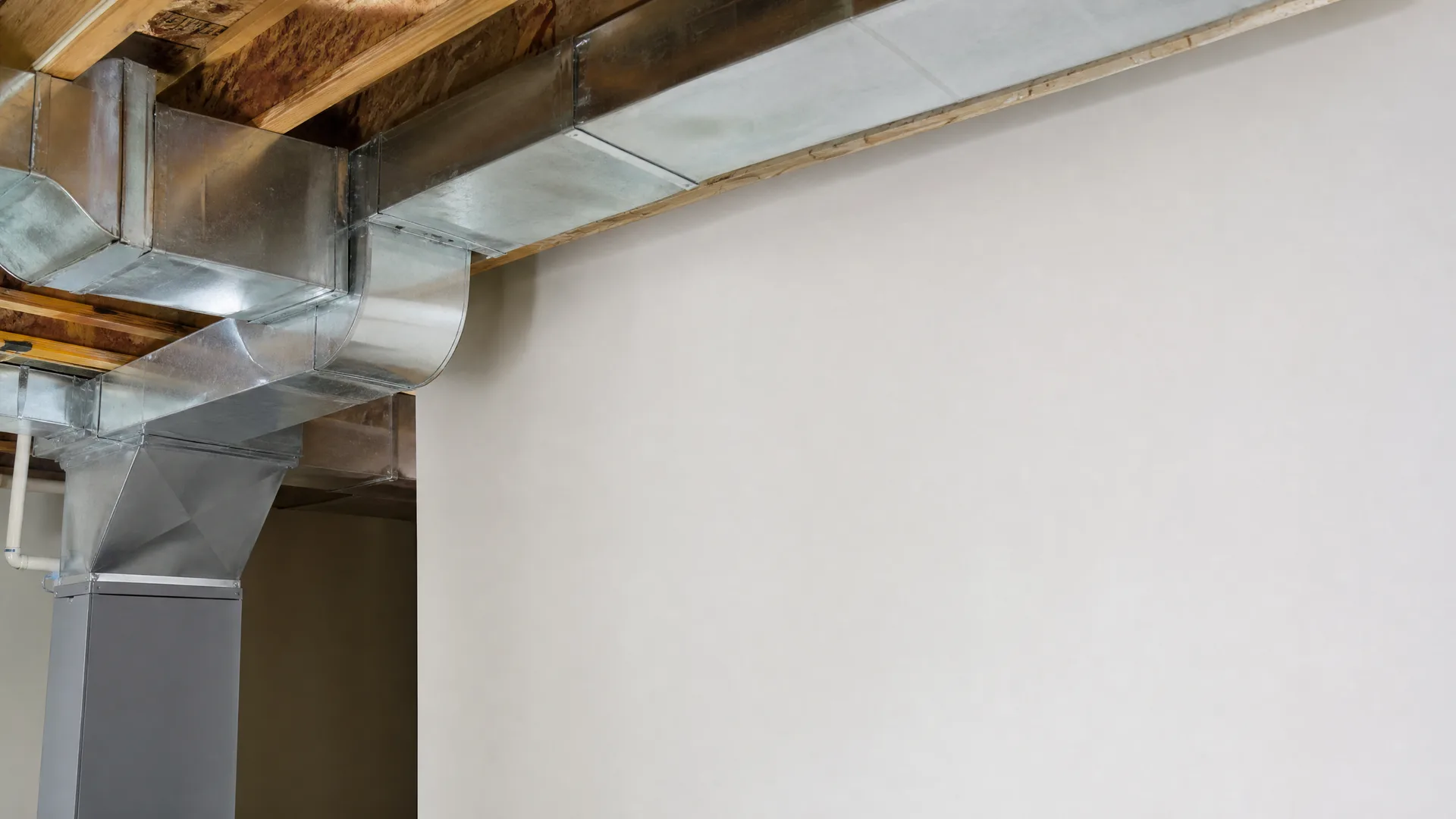
Dark spots around a vent cover, or a stain spreading across the register itself, means mold has already taken hold where you can reach it. That's the easier case. A contractor can clean the register and the duct run behind it and show you the inside is clear. What you see is a reason to act, but it's not the whole story, because the duct system runs through places you can't look.

Mold you can't see
The smell that shows up when the air handler kicks on, with no stain anywhere in sight, usually means the mold is further back in the duct run, past the bends you can't see down. Gulfport's humid air has six months to work on that moisture every year. A contractor with a camera can check the full run and clean what's actually growing there, not just the part near the vent.
Clean the Ducts or Replace Them
Clean the ducts
- A contractor can clean the existing duct run, the registers and the coil if mold hasn't gotten past the surfaces you can reach.
- This costs less than replacing ductwork and can be done in a single visit.
- It works when the ducts themselves are still sound, with no crushed sections, standing water, or torn insulation inside the run.
- If the mold keeps returning after a cleaning, that's a sign moisture is getting in somewhere the cleaning didn't reach.
- Cleaning doesn't fix a cracked duct seam or a condensate line that's draining into the ductwork instead of away from it.
Replace the ductwork
- Replacement makes sense when the ducts are old, crushed, or torn enough that mold has worked into the insulation or the material itself.
- New duct material and sealed seams give humid air fewer places to collect once summer humidity moves through the system again.
- This costs more than cleaning and takes longer, since a contractor has to remove the old run before installing new.
- Half the homes in Harrison County date to 1994 or earlier, and duct runs from that era are more likely to have reached this point.
- Replacing ducts that are still structurally sound just because they once had mold is usually more than the problem calls for.




Done looking for a duct system pro
Finding out which of this is true for your ducts means someone has to look, and that's not a job for guessing based on a smell or a stain near the vent. You could spend an afternoon calling around Harrison County, asking each one if they handle duct cleaning, explaining the musty smell and the spots near the register, then doing it again with the next name on the list. Or you could put in the request once and let the finding part be done for you. Gulfport's humid stretch doesn't let up until October, and the longer moist air keeps moving through ducts that already have mold in them, the more it spreads past what a cleaning alone can reach. That's the part worth not sitting on. The smell isn't going away on its own, and neither is what's causing it.
How Mold Actually Takes Hold
- Mold needs three things to grow in a duct: moisture, a surface to hold onto, and still air, and a duct system has all three.
- The evaporator coil is the coldest, wettest part of the system, and condensation there is what feeds mold growth before it spreads into the ducts.
- A drain line or drain pan that isn't clearing properly lets water sit near the coil instead of draining away.
- Mold spores travel on the air the blower pushes, so growth in one duct run can seed another room's vents within days.
- Flex duct with sagging or compressed sections collects condensation at the low points, and those spots stay wet longest.
- A contractor checks the coil, the drain pan, and the duct interior in that order, since mold usually starts at the coil and works outward.
Mold doesn't start in the ductwork itself. It starts at the evaporator coil, the coldest part of the system, where condensation forms every time the AC runs. In a Gulfport summer, that coil can stay wet for hours at a stretch. If the drain pan underneath isn't clearing that water properly, or the drain line is partly clogged, water sits there instead of draining away. That standing water is what gets mold growing in the first place.
Once it starts at the coil, the blower does the rest of the work. Air moving through the system picks up spores and carries them down the duct runs, which is why a smell or a stain in one room can show up in another room's vents within days. It isn't a separate problem in each spot. It's one source spreading through the air the system moves.
Flex duct makes this worse in certain spots. Where a run sags or gets compressed, condensation collects at the low point instead of draining or evaporating, and that section stays wet long after the rest of the duct has dried out. Those low points are usually where mold shows up first inside the ductwork itself, even when the registers upstream look clean.
Because of that order, a contractor checking for mold starts at the coil, then checks the drain pan, then works outward into the duct interior. Starting anywhere else means missing where it actually began.


Power here costs 14.63 cents per kilowatt-hour
At 14.63 cents per kilowatt-hour, a system working harder to push air through moldy, restricted ducts shows up on your bill. Clean ducts let the blower move air the way it was designed to, without the coil and motor straining to make up for it.
EIA-861 2025



It's a Saturday afternoon in April, and the light coming through the living room window is the kind that shows things you don't usually look at. You're on the couch and you notice it: a gray film sitting along the slats of the ceiling vent, and a matching dust on the lamp table underneath it, like the vent has been breathing it out for weeks. The air conditioning kicked on a few minutes ago, the first warm day that's called for it. You can't smell anything yet. You just see the dust, settled in the same pattern it always settles in, and you make a note to deal with it before the real heat gets to Gulfport.

Mold in your ducts has a cause, and a fix
A musty smell when the system kicks on, dark spots at the vent, a stain spreading across the register. Whatever brought you here, the reason is the same: moisture sitting in ductwork that runs humid air for half the year. A contractor can tell you which case you've got, whether cleaning handles it or whether sealing and insulation need attention too, and get it done in a visit instead of several.
The part you don't have to do yourself is finding who handles this. You won't need to call around Harrison County asking who services duct systems, describe the smell and the stains to three different companies, then sit with quotes trying to tell a fair price from a rushed one. Send the form once and that search is off your plate. What's left is the actual job: getting a contractor out to look at your ducts and tell you what's growing in them.



Ductwork Cleaning
It's off your list after this
Answer a few questions about the duct cleaning and skip the search.