
HVAC Installation in Starkville, MS
A new system here will heat from November through March and cool from May through September every year. Tell us about the house, and a licensed contractor who covers Oktibbeha County will get in touch.
Tell us about the job
It takes about a minute.

Ten months of the year, your system is working
From November through March your furnace or heat pump works against nights that average 35°F. From May through September your AC works against afternoons that average 91°F. That is five months of heat and five months of cooling, back to back, with only two months off in between.
A new system here has to be sized right for both jobs, not just one. It also has to hold up when the power goes out. Oktibbeha County has seen 91 damaging wind events over the past ten years, and in 2024, 30% of Mississippi households went at least 24 hours without power. Most homes here heat with electricity, so a furnace or heat pump that keeps running, or a way to back it up, is worth weighing alongside the heat and cold themselves.
- 5 months
- November through March, your system heats
- 5 months
- May through September, it cools
- 35°F
- the average winter night it heats against
- 91°F
- the average summer afternoon it cools against
NOAA nClimDiv, 1991–2020 normals
Mississippi requires HVAC contractors to hold a state license.
The State Board of Contractors issues that license, and it belongs to the contractor, not to any single job. That means the testing and the record behind it cover the company doing the work, whether this installation is the first job they've done this year or the hundredth.
For an installation like this one, the license tells you the contractor is on record with the state. Whether the work itself gets checked comes down to the local building office. In most cities and counties here, putting in a new furnace, air conditioner or heat pump needs a permit, and the finished job gets an inspection before it's signed off.
Source: Mississippi State Board of Contractors
- When should I replace my HVAC system?
- Replace it when repairs get frequent, when the system is old enough that parts are wearing out one after another, or when it can no longer keep the house at 35°F winter lows and 91°F summer highs without struggling. A system that short cycles, runs constantly, or needs a new part every year is costing you more than a replacement would. Ten months out of the year here call for either heat or cooling, so a system on its last legs does not get much of a break. A contractor can look at its age and condition and tell you whether it is worth repairing again or time to replace it.
- Should I replace my furnace and air conditioner at the same time?
- If both are old, yes, that is usually the better time to do it. A furnace and air conditioner installed together are matched to work as one system, and replacing one while the other is much older can mean the new part is held back by the old one. It also means one visit and one inspection instead of two, since this area requires a permit and inspection for the work either way. If only one unit is failing and the other still has real life left in it, a contractor can tell you whether it makes sense to wait or replace both now.
- What happens during an HVAC installation?
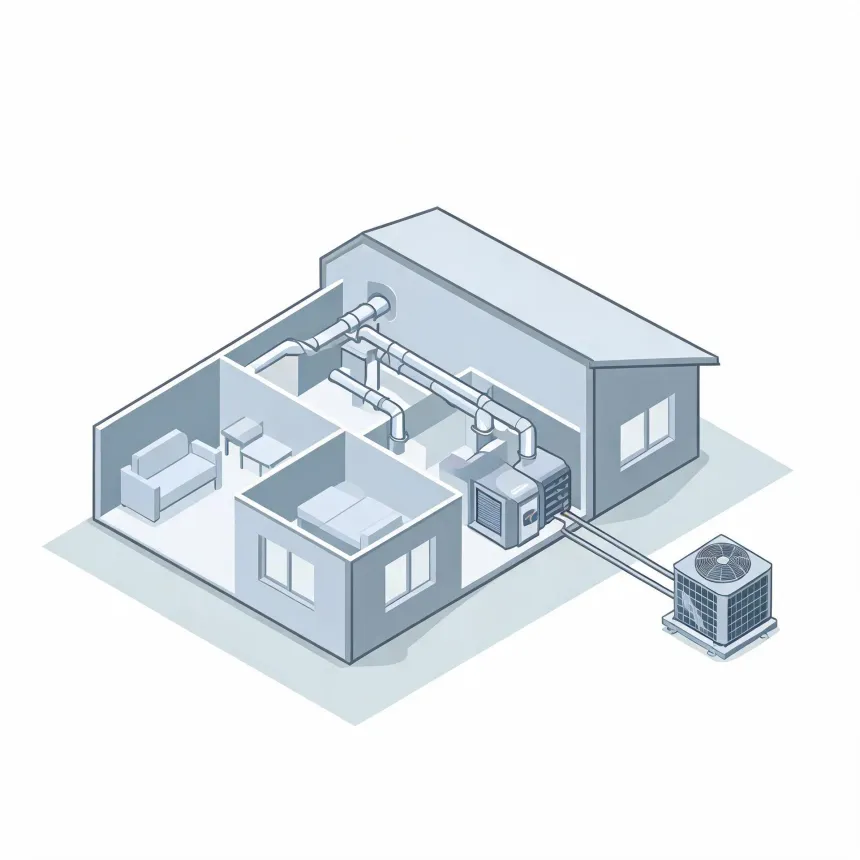
- A contractor removes the old furnace and air conditioner or heat pump, sets the new equipment in place, and connects it to the ductwork, electrical, gas line if there is one, and condensate drain. They will check the ductwork itself, since air moving through undersized or leaky ducts will not perform the way the new equipment is rated to. Once everything is connected, they test the system, check refrigerant levels and airflow, and walk you through the thermostat and any settings. The local building office will also need to inspect the finished work before the job is considered done, since installing a new heating and cooling system needs a permit here.